









Bestclinicabroad
Connect with the world's Best Clinic and doctors at Best Clinic Abroad. Your well-being is our priority, with personalized care every step of the way.


Connect with the world's Best Clinic and doctors at Best Clinic Abroad. Your well-being is our priority, with personalized care every step of the way.








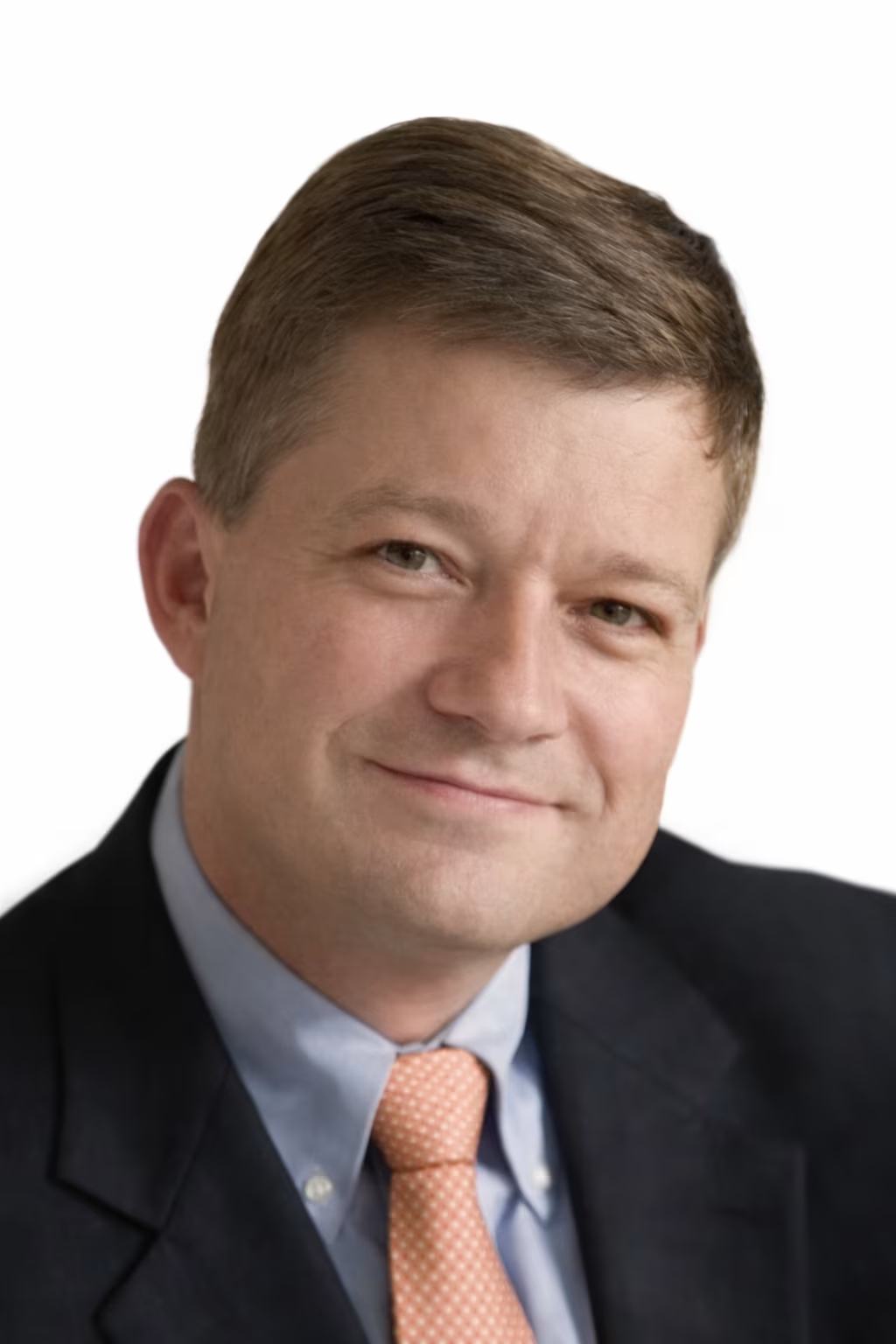
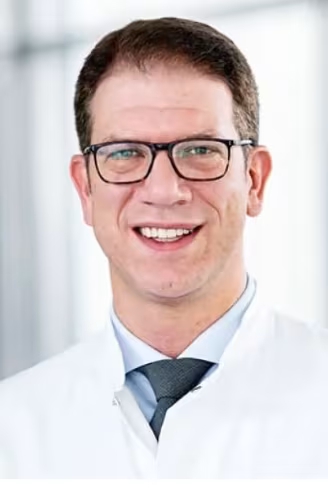
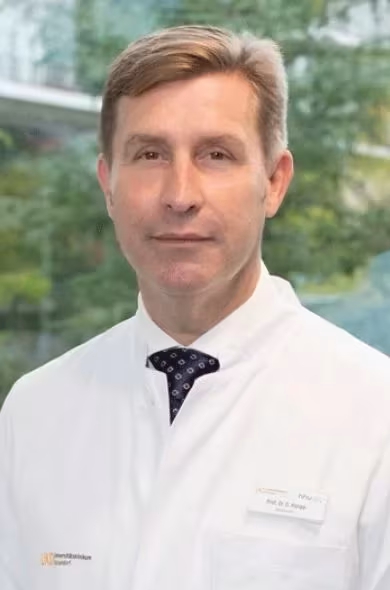

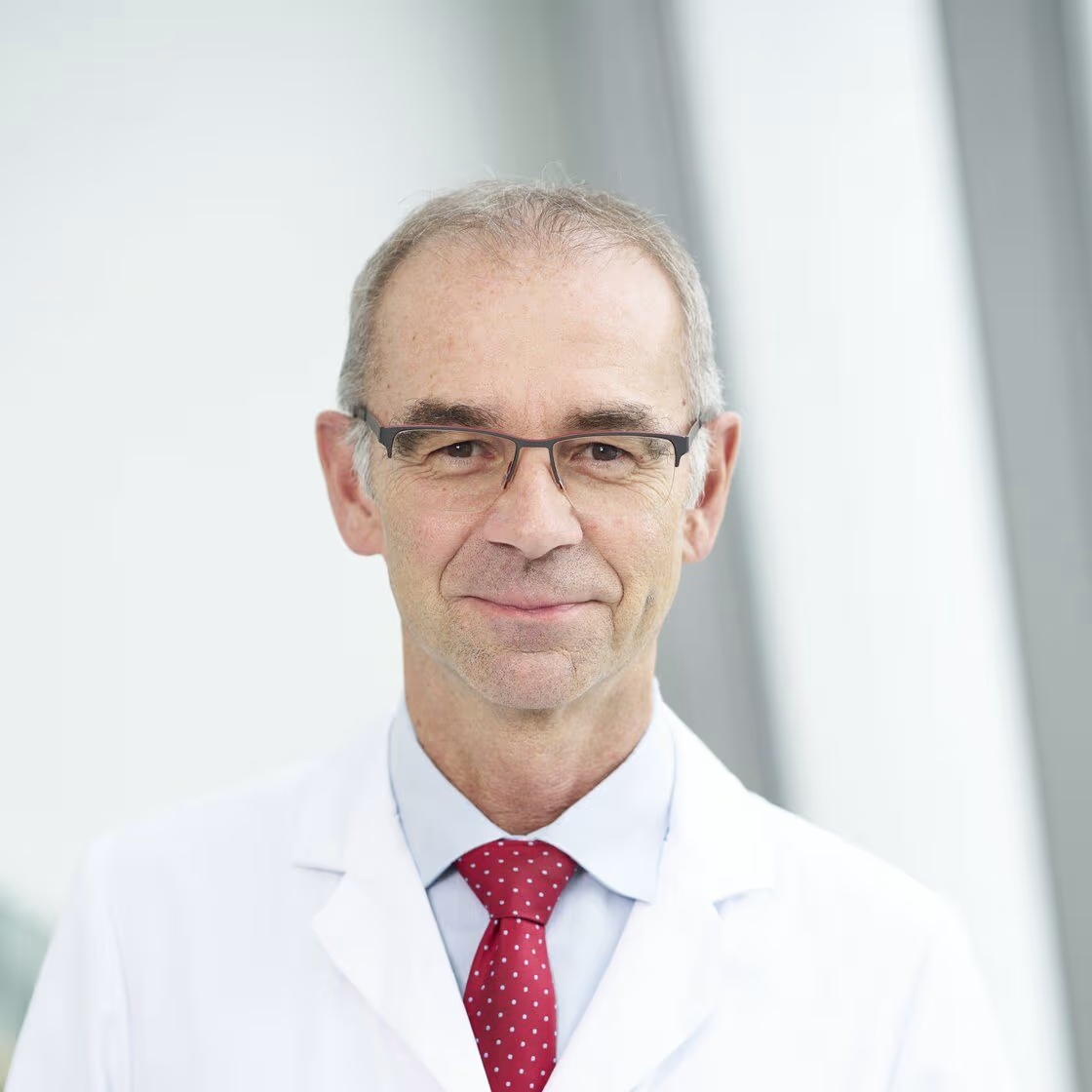


Prof. Dr. Dag Moskopp, a distinguished figure in the field of neurosurgery in Germany, brings over 30 years of expertise to his practice, primarily focusing on pituitary surgery and micro neurosurgery. Fluent in both English and German, he currently serves at the Vivantes Friedrichshain Hospital. Prof. Dr. Moskopp's educational journey is marked by a comprehensive foundation, including basic medical education and specialization in neurosurgery from the European Association of Neurosurgical Societies. His commitment to continuous learning is evident through specialization courses undertaken at renowned University Centers in Edinburgh, London, Magdeburg, Erlangen (Germany), Glasgow, and the UK, culminating in a certificate for specialization in pituitary surgery. Throughout his illustrious career, Prof. Dr. Moskopp has held significant roles, serving as a professor for neurosurgery at the University of Muenster from 2000 to 2007. Subsequently, he assumed the position of the head of the Department of Neurosurgery at Vivantes Friedrichshain in Berlin from 2007 onwards. Beyond his clinical duties, Prof. Dr. Moskopp actively contributes to the field through his memberships in prestigious organizations such as the German Association for Neurosurgery and the Psychiatry and Neurology Committee of Berlin. Notably, his prowess extends to research, with authored books and numerous articles published in national and international medical journals. Recognized for his contributions, Prof. Dr. Moskopp has received accolades from institutions like DAAD and the Wilhelm Tonnis Foundation. His commitment to advancing neurosurgical care, coupled with his extensive expertise, positions Prof. Dr. Dag Moskopp as a leading authority in the realm of neurosurgery in Germany.
Prof. Dr. Dag Moskopp is internationally respected for his expertise in pituitary surgery and microsurgical neurosurgery, with a clinical focus on precision-driven treatment of neuroendocrine and cranial base disorders. His surgical approach emphasizes meticulous technique, preservation of neurological function, and long-term disease control. With extensive leadership experience in a major academic hospital, he integrates multidisciplinary collaboration, advanced imaging, and evidence-based neurosurgical strategies into patient care. His sustained contributions to research, education, and departmental leadership firmly establish him as a leading authority in modern neurosurgery in Germany.




 Dr. Alessandro Marra
 General Surgery