








Bestclinicabroad
Connect with the world's Best Clinic and doctors at Best Clinic Abroad. Your well-being is our priority, with personalized care every step of the way.


Connect with the world's Best Clinic and doctors at Best Clinic Abroad. Your well-being is our priority, with personalized care every step of the way.



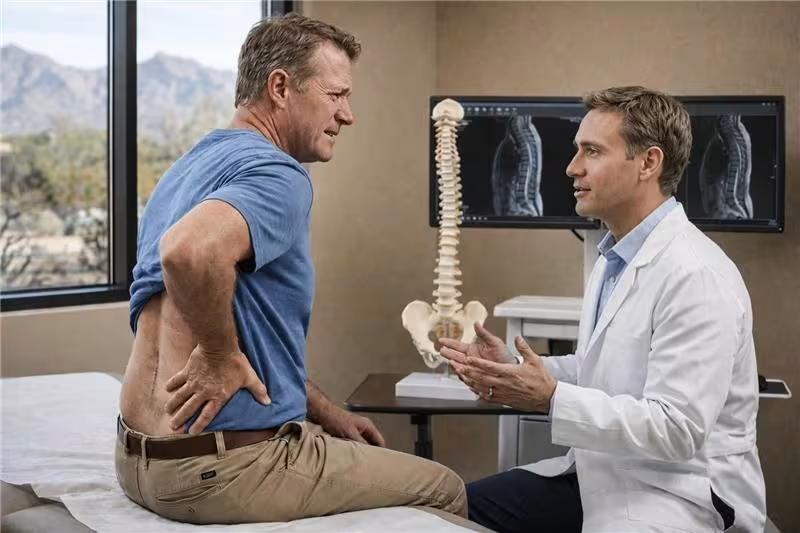
The Neurosurgery Department at Bremen Mitte Clinic is globally recognized for its expertise in treating brain tumors, spinal disorders, nerve injuries, and skull abnormalities. Using minimally invasive techniques such as neuroendoscopy, microsurgery, and spinal fusion, the department provides faster recovery and reduced complications. Equipped with advanced imaging and robotic-assisted surgery, it delivers precise and patient-focused neurosurgical care.
Cardiology & Cardiovascular Surgery ❤️🏥
The Cardiology & Cardiovascular Surgery department at Bremen Mitte Clinic specializes in diagnosing and treating heart and vascular conditions. With advanced technology and experienced specialists, it provides comprehensive cardiac care.
Key Services & Procedures:
✔ General Cardiology – Management of hypertension, arrhythmias, and heart failure
✔ Interventional Cardiology – Angioplasty, stent placement, and catheter-based procedures
✔ Cardiovascular Surgery – Bypass surgery, valve repair/replacement, and aortic surgery
✔ Preventive Cardiology – Risk assessment and lifestyle management programs
✔ Heart Failure Management – Advanced therapies and implantable devices
Specialized Cardiac Treatments:
✔ Electrophysiology – Diagnosis and treatment of heart rhythm disorders
✔ Structural Heart Disease Treatment – Minimally invasive valve and congenital heart defect procedures
✔ Cardiac Rehabilitation – Recovery programs for post-surgical and heart disease patients

Hematology Oncology Department 🩸⚕️
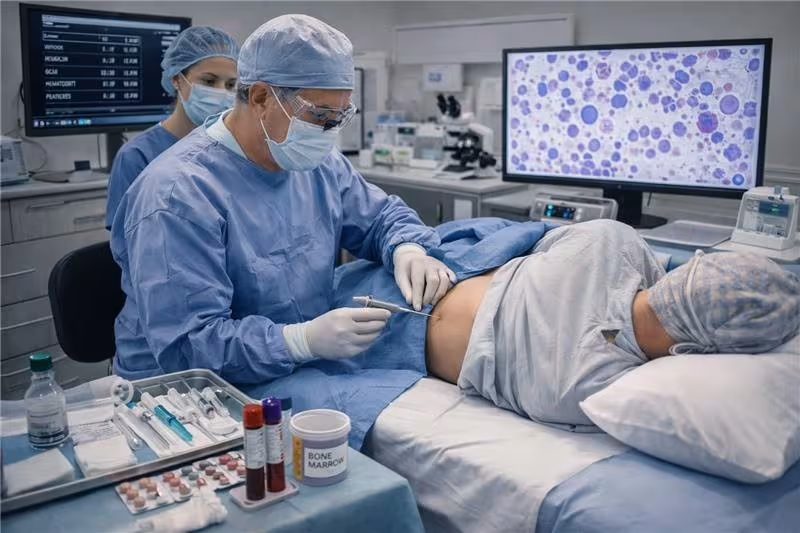
The Hematology-Oncology Department at Bremen Mitte Clinic specializes in diagnosing and treating blood disorders and cancers. The department employs advanced therapies to provide comprehensive care to leukemia, lymphoma, and clotting disorders patients.
Key Services & Procedures:
✔ Blood Disorder Management – Treatment for anemia, hemophilia, and clotting abnormalities
✔ Cancer Treatment – Chemotherapy, immunotherapy, and targeted therapy for hematologic cancers
✔ Bone Marrow Transplantation – Stem cell transplants for blood cancers and severe disorders
✔ Genetic Testing – Personalized treatment based on molecular and genetic profiling
✔ Supportive Care – Pain management, nutritional support, and psychological counseling
Neurology & Neurosurgery 🧠🔬
The Neurology & Neurosurgery department at Bremen Mitte Clinic provides expert care for nervous system disorders. With advanced diagnostics and advanced treatment options, the department specializes in managing neurological conditions and performing complex neurosurgical procedures.
Key Services & Procedures:
✔ Neurological Disorder Management – Treatment for epilepsy, Parkinson’s disease, and multiple sclerosis
✔ Stroke Care – Rapid diagnosis and intervention for stroke patients
✔ Minimally Invasive Spine Surgery – Procedures for herniated discs and spinal stenosis
✔ Brain Tumor Surgery – Precise surgical interventions for benign and malignant brain tumors
✔ Headache & Migraine Management – Personalized therapies for chronic headaches

Oncology Department 🎗️🔬
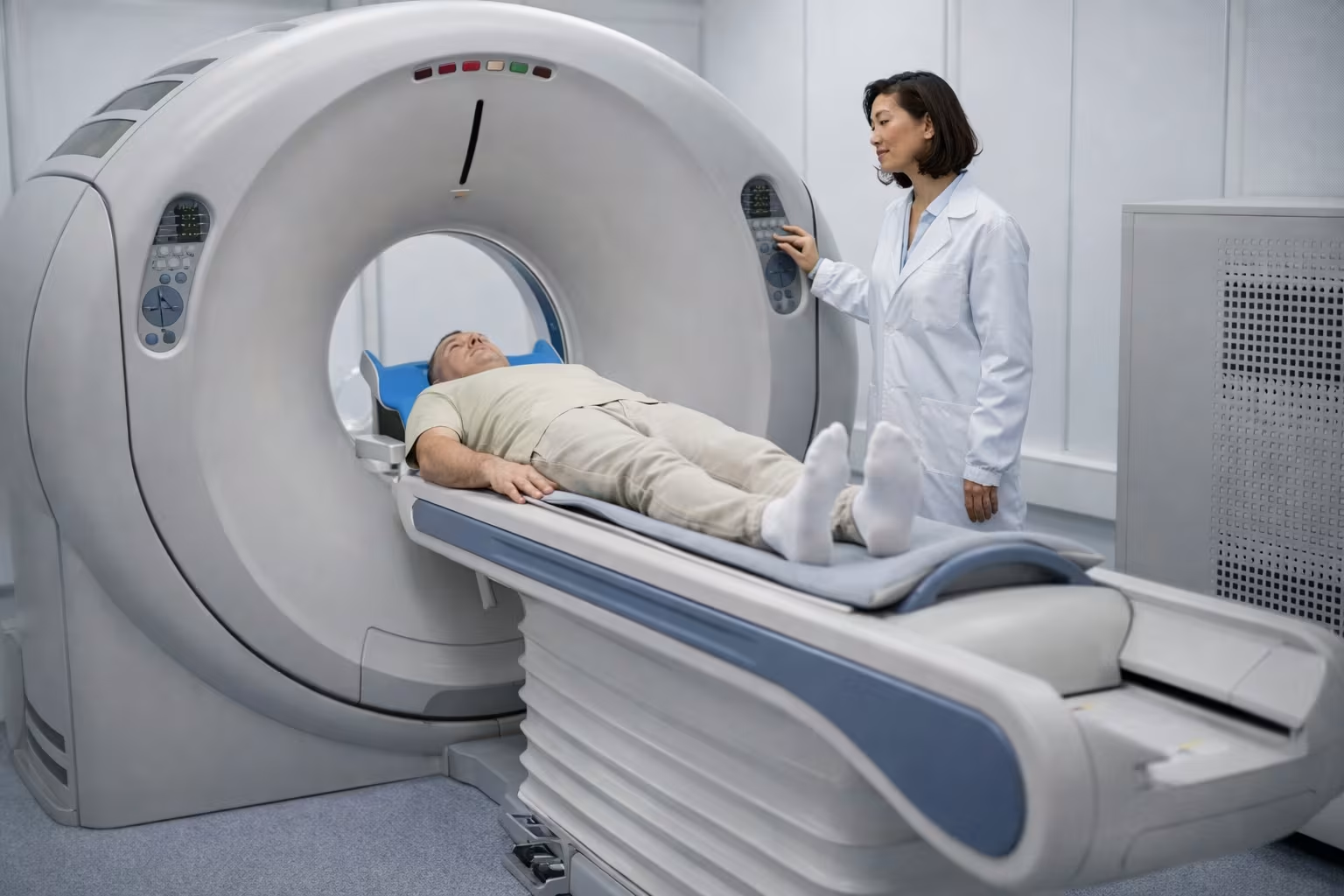
The Oncology department at Bremen Mitte Clinic provides advanced cancer diagnosis and treatment. It utilizes the latest medical advancements in oncology to create personalized care plans according to each patient's needs.
Key Services & Procedures:
✔ Comprehensive Cancer Treatment – Surgery, chemotherapy, radiation therapy, and immunotherapy
✔ Personalized Cancer Therapy – Genetic testing and molecular profiling for targeted treatment
✔ Palliative Care – Pain management and supportive care for patients with advanced cancer
✔ Preventive Oncology – Screening programs for early cancer detection
✔ Oncology Rehabilitation – Post-treatment care for recovery and quality of life improvement
Specialized Cancer Treatments:
✔ Radiation Oncology – High-precision radiotherapy for tumor control
✔ Surgical Oncology – Minimally invasive and robotic-assisted cancer surgeries
✔ Hemato-Oncology – Specialized treatments for blood-related cancers
Orthopedic Surgery 🦴🏥
The Orthopedic Surgery department at Bremen Mitte Clinic specializes in treating musculoskeletal conditions through advanced surgical and non-surgical methods. It offers expert care for joint disorders, fractures, and sports injuries.
Key Services & Procedures:
✔ Joint Replacement Surgery – Hip, knee, and shoulder replacement procedures
✔ Arthroscopic Surgery – Minimally invasive procedures for joint injuries
✔ Spine Surgery – Treatment for herniated discs, scoliosis, and spinal fractures
✔ Fracture & Trauma Care – Comprehensive management of bone injuries
✔ Sports Medicine – Injury prevention and treatment for athletes
Specialized Orthopedic Treatments:
✔ Regenerative Medicine – Stem cell therapy and PRP injections for tissue repair
✔ Pediatric Orthopedics – Treatment of congenital and developmental bone disorders
✔ Custom Orthotics & Prosthetics – Personalized solutions for mobility enhancement

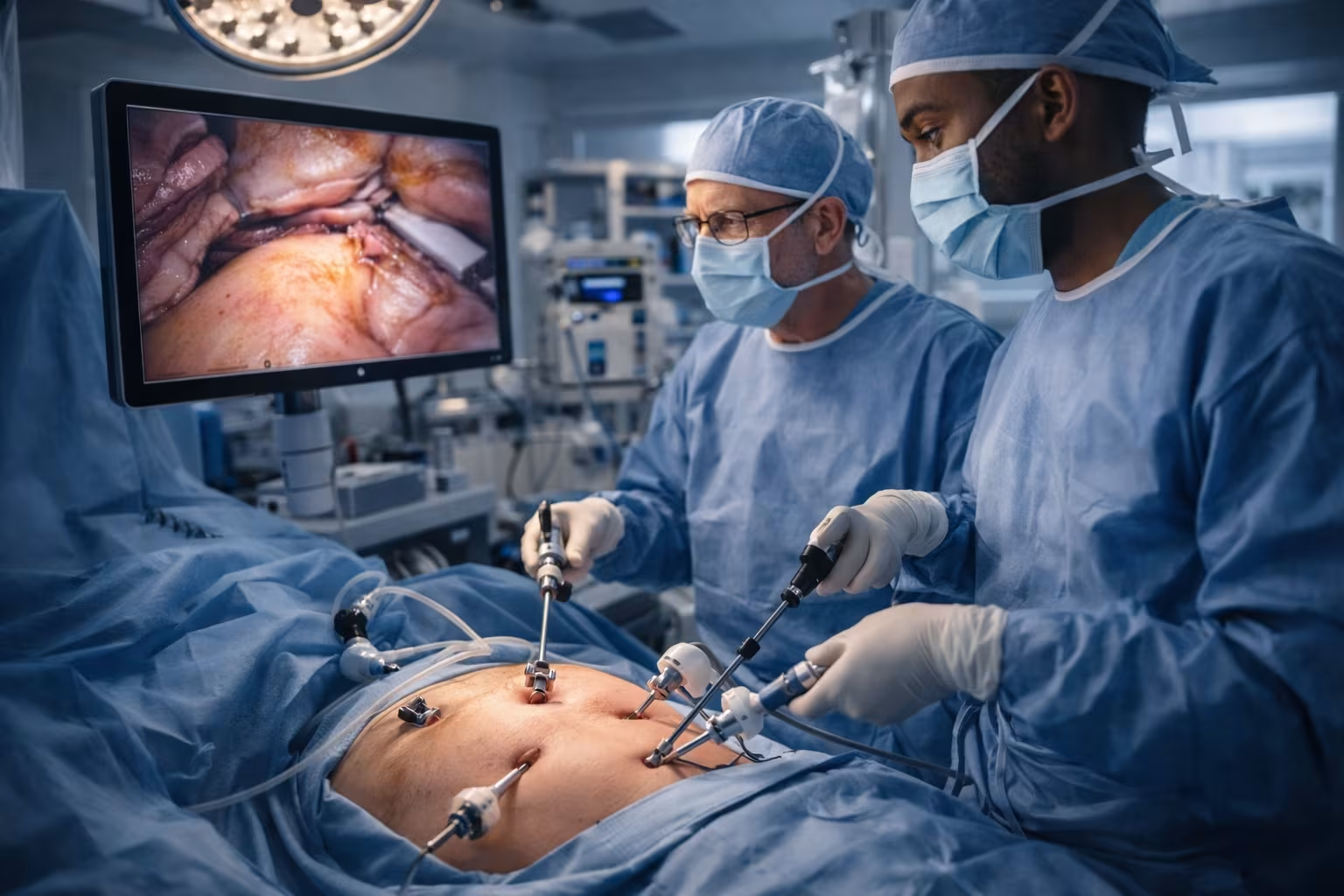
General surgery is a broad surgical specialty that focuses on the diagnosis, preoperative, operative, and postoperative management of a wide range of conditions affecting various parts of the body. General surgeons perform procedures involving the gastrointestinal tract, endocrine system, breast, skin, and soft tissues. Common surgeries include appendectomies, hernia repairs, gallbladder removals, and colorectal surgeries. General surgeons are trained to handle emergencies, trauma, and critical care situations, providing comprehensive surgical care to patients with diverse medical needs.
The field of general surgery is continually evolving with advancements in surgical techniques and technologies. Minimally invasive procedures, such as laparoscopic and robotic-assisted surgeries, have revolutionized the field by reducing recovery times and minimizing complications. General surgeons work closely with other specialists to provide multidisciplinary care, ensuring that patients receive the most appropriate and effective treatments. Patient education, postoperative care, and follow-up are integral components of general surgery, aiming to achieve optimal outcomes and improve patients' quality of life.
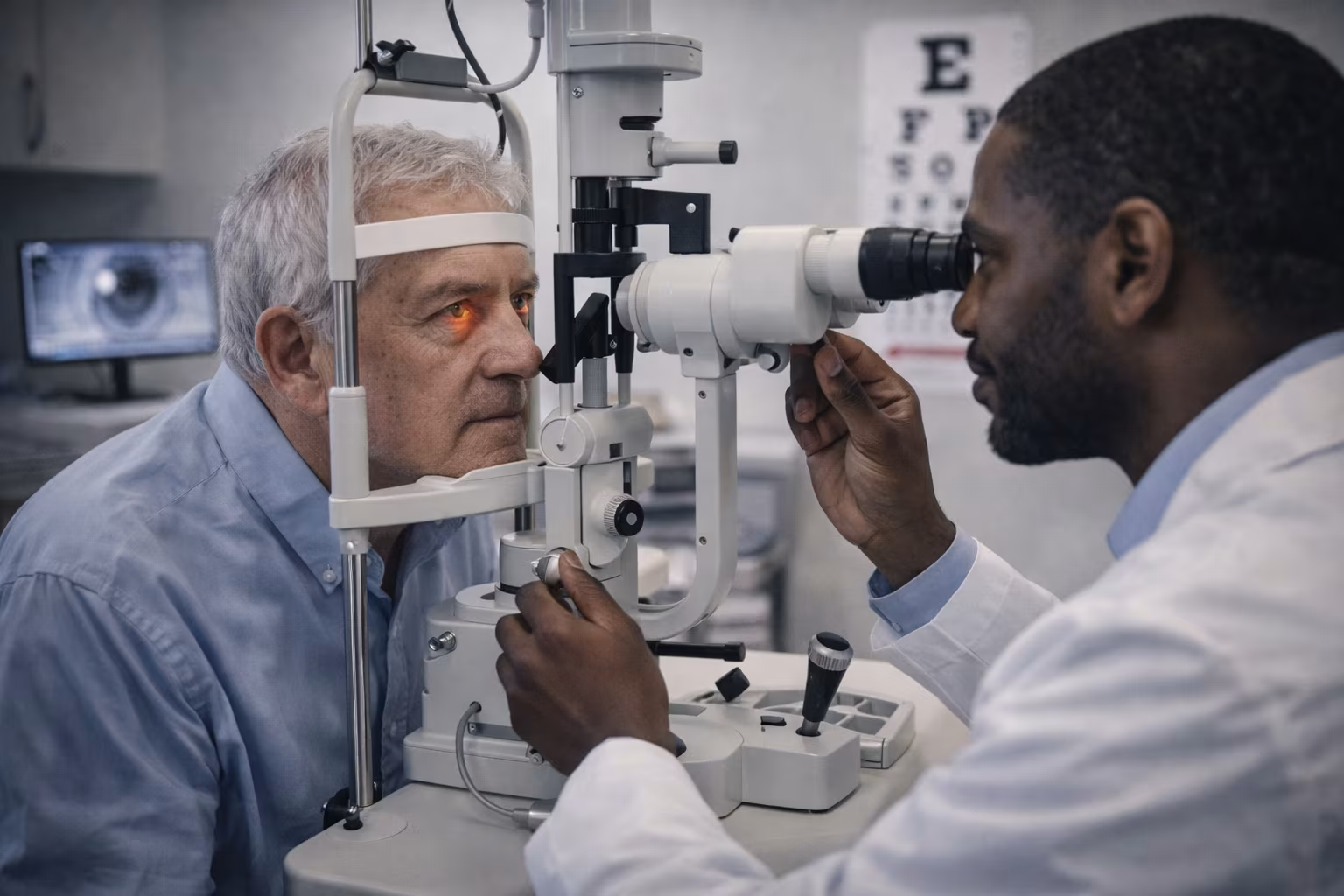
Ophthalmology is a specialized branch of medicine dedicated to the diagnosis, treatment, and prevention of eye disorders and vision problems. Ophthalmologists are trained to handle a wide array of eye conditions, ranging from common issues like cataracts and glaucoma to more complex disorders such as retinal detachment and macular degeneration. They utilize advanced diagnostic tools and surgical techniques to perform procedures like LASIK, cataract extraction, and retinal surgery, aiming to restore and preserve vision. Ophthalmic care also includes the prescription of corrective lenses and medications to manage eye diseases, ensuring comprehensive eye health and optimal visual function for patients of all ages.
In addition to addressing immediate visual impairments, ophthalmology emphasizes preventive care and early detection of eye diseases. Regular eye examinations are crucial for monitoring ocular health, particularly for individuals with a family history of eye conditions or those at higher risk due to age or underlying health issues like diabetes. By promoting eye health education and preventive strategies, ophthalmologists help patients maintain clear vision and prevent potential complications. With continual advancements in eye care technology and treatment modalities, ophthalmology strives to provide effective and innovative solutions that enhance the quality of life for individuals by safeguarding one of their most vital senses—sight.
Reproductive medicine is a branch of medicine that focuses on the diagnosis and treatment of reproductive health issues, including infertility, hormonal imbalances, and disorders of the reproductive system. Specialists in reproductive medicine provide a range of treatments, such as in vitro fertilization (IVF), intrauterine insemination (IUI), hormone therapy, and surgical interventions. The goal of reproductive medicine is to help individuals and couples achieve successful pregnancies and address conditions that affect reproductive health, such as polycystic ovary syndrome (PCOS), endometriosis, and male infertility.
Reproductive medicine emphasizes personalized care and advanced technologies to improve the chances of conception and successful pregnancy outcomes. Techniques such as genetic testing, egg and sperm preservation, and minimally invasive surgery have expanded the options available to patients. Specialists work closely with patients to develop individualized treatment plans that address their specific needs and goals. By combining medical expertise with compassionate care, reproductive medicine aims to provide comprehensive solutions that enhance reproductive health and fulfill the dreams of parenthood for many individuals and couples.

Spine surgery is a specialized field focused on the diagnosis and treatment of spinal disorders, including degenerative diseases, spinal deformities, trauma, and tumors. Spine surgeons perform procedures to relieve pain, restore function, and improve the quality of life for patients with conditions such as herniated discs, spinal stenosis, scoliosis, and spinal fractures. Treatment options range from minimally invasive techniques to complex reconstructive surgeries, depending on the severity and nature of the spinal condition.
Advancements in spine surgery, such as minimally invasive techniques, robotic-assisted surgery, and biologic therapies, have significantly improved patient outcomes and recovery times. Spine surgeons work in multidisciplinary teams with neurologists, pain specialists, and rehabilitation experts to provide comprehensive care that addresses the physical, functional, and emotional aspects of spinal disorders. By focusing on precise diagnosis, innovative treatments, and personalized care, spine surgery aims to help patients achieve optimal spinal health and improve their overall quality of life.