








Share to Social Media
Updated: April 2, 2026
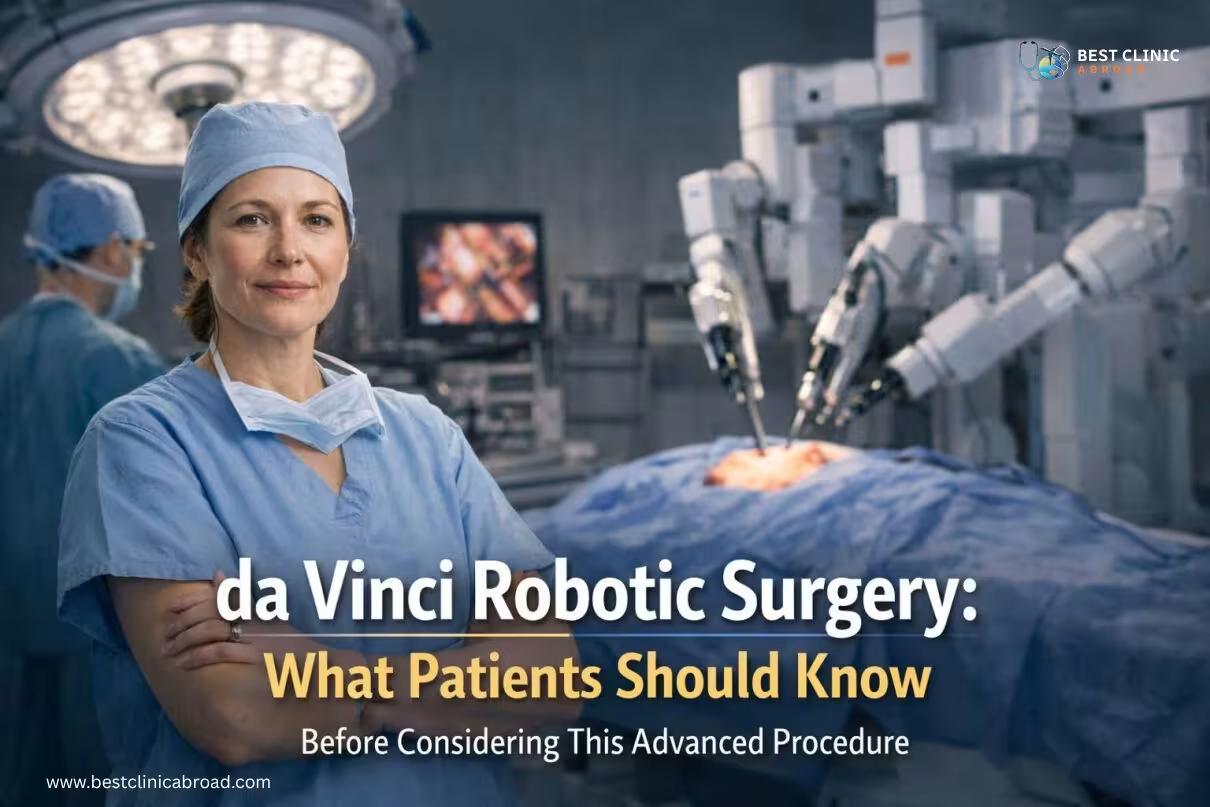
da Vinci Robotic Surgery: What Patients Should Know Before Considering This Advanced Procedure
A Shift in How Modern Surgery Is Performed
Surgery has changed significantly over the past two decades. What once required large incisions and extended recovery can now be performed through highly controlled, minimally invasive techniques.
One of the most important developments in this space is da Vinci robotic surgery, a system designed to enhance a surgeon’s precision rather than replace it.
Despite the name, there is no automation involved. Every movement is directed by a trained surgeon, using technology that translates hand movements into highly refined actions inside the body.
For patients, this often means less trauma to surrounding tissues and a smoother recovery process.
What Makes Robotic Surgery Different from Traditional Methods
Traditional open surgery requires direct access to the treatment area, often involving large incisions. Even standard minimally invasive procedures can be limited by the range of motion of human hands.
Robotic-assisted surgery addresses these limitations.
The system provides:
- High-definition 3D visualization
- Enhanced dexterity through robotic instruments
- Greater stability and control during delicate procedures
This combination allows surgeons to operate with a level of precision that is difficult to achieve with conventional techniques.
Understanding the Technology Behind the System
The da Vinci system operates through three interconnected components that work together in real time.
The surgeon sits at a console, viewing a magnified 3D image of the surgical area. From there, hand movements are translated into precise actions by robotic arms positioned beside the patient.
A separate vision system processes imaging and ensures continuous visual feedback throughout the procedure.
This setup allows for extremely controlled movements, even in complex or confined anatomical areas.
Where This Technique Is Most Commonly Used
Robotic surgery is not limited to a single specialty. Its use has expanded across multiple fields of medicine.
It is frequently used in:
- Prostate and other urological procedures
- Gynecological surgeries, such as a hysterectomy
- Gastrointestinal and colorectal operations
- Cardiac procedures, including valve repair
- Weight-loss surgeries like the gastric sleeve
The availability of these procedures depends on both the facility and the experience of the surgical team.
What the Surgical Process Typically Looks Like
Although details vary depending on the condition being treated, most procedures follow a similar structure.
Patients are placed under general anesthesia, after which small incisions are made to allow insertion of surgical instruments and a camera.
The surgeon operates from the console, guiding each movement with precision. Once the procedure is complete, instruments are removed, and the incisions are closed.
Because the approach is minimally invasive, tissue disruption is significantly reduced compared to open surgery.
Why Many Patients Consider Robotic Surgery
One of the main reasons this technique is gaining attention is the combination of surgical precision and patient recovery benefits.
During the procedure, improved control often results in.
- Reduced blood loss
- Less damage to surrounding tissues
- Smaller incisions
After surgery, patients commonly experience:
- Lower levels of pain
- Minimal visible scarring
- Shorter hospital stays
- Faster return to daily activities
However, outcomes still depend heavily on the surgeon’s expertise and the patient’s overall condition.
Important Risks That Should Not Be Overlooked
Despite its advantages, robotic surgery is still surgery and carries inherent risks.
These include:
- Reactions to anesthesia
- Bleeding or infection
- Injury to nearby structures
There are also practical limitations. Not every patient is a suitable candidate, and in some cases, the procedure may take longer than conventional methods.
Cost can also be higher depending on the healthcare system and facility.
A proper consultation is essential to determine whether this approach is appropriate.
What Recovery Really Feels Like
Recovery after robotic surgery is generally smoother compared to traditional open procedures, but it is not immediate.
Patients may notice:
- Mild discomfort around incision sites
- Temporary fatigue
- Gradual return of normal activity levels
Most individuals resume routine activities sooner than expected, but full recovery still requires time and proper care.
Medical attention should be sought if symptoms such as fever, unusual swelling, or persistent pain occur.
Access to Robotic Surgery in Today’s Healthcare Landscape
Access to advanced surgical technology is not uniform across all regions. In some healthcare systems, availability may be limited or associated with long waiting periods.
As a result, some patients explore treatment options in countries where robotic surgery is more widely available and integrated into routine care.
Healthcare systems known for incorporating such technologies often focus on:
- Structured surgical planning
- Advanced imaging and diagnostics
- Postoperative recovery protocols
The goal is not just performing the procedure, but ensuring continuity of care.
Making the Right Decision Before Moving Forward
Choosing robotic surgery requires more than understanding the technology. It involves evaluating the experience of the surgical team, the standards of the hospital, and the overall treatment plan.
Patients should consider:
- Surgeon's experience with robotic procedures
- Hospital safety standards and accreditation
- Clarity in diagnosis and treatment recommendations
- Availability of follow-up care
Decisions based purely on cost can lead to complications. A balanced approach focused on safety and expertise is essential.
Conclusion
Da Vinci robotic surgery represents a significant step forward in surgical care. It offers a more refined approach to complex procedures, with the potential for improved outcomes and faster recovery.
However, it is not a universal solution. Its effectiveness depends on patient selection, surgical expertise, and proper planning.
Understanding both the benefits and limitations allows patients to make informed decisions and choose the most appropriate path for their condition.
FAQs
Is it worth traveling abroad for da Vinci robotic surgery?
Many patients choose to travel abroad for da Vinci robotic surgery due to access to experienced surgeons, shorter waiting times, and more affordable treatment options. However, it is important to prioritize hospital accreditation, surgeon expertise, and post-operative care rather than focusing only on cost when making a decision.
Which countries are best for da Vinci robotic surgery?
Countries such as Turkey, Germany, South Korea, and India are popular for da Vinci robotic surgery because they offer advanced medical infrastructure and internationally trained surgeons. Patients should compare hospital standards, success rates, and patient reviews before selecting a destination for treatment.
How long should I stay abroad after robotic surgery?
The required stay depends on the type of procedure performed, but most patients are advised to remain in the country for at least 5 to 10 days. This allows time for initial recovery, follow-up consultations, and medical clearance before traveling back home safely.
Is da Vinci robotic surgery safe for international patients?
Yes, it is generally safe when performed in accredited hospitals by experienced surgeons. International patients should ensure the facility follows global healthcare standards and offers proper pre-operative assessment and post-operative monitoring.
Can I get an online consultation before traveling for robotic surgery?
Yes, most hospitals and medical tourism providers offer online consultations where patients can share medical reports and discuss treatment options. This helps in evaluating suitability, understanding the procedure, and planning the entire medical journey.
Medical Disclaimer
This content is for informational purposes only and does not replace professional medical advice, diagnosis, or treatment. Patients should always consult a qualified and licensed healthcare provider before undergoing any cosmetic or surgical procedure. Treatment outcomes, recovery timelines, and risks may vary depending on individual medical conditions and clinical practices.
Comments (0)
No comment found

Bestclinicabroad
Connect with the world's Best Clinic and doctors at Best Clinic Abroad. Your well-being is our priority, with personalized care every step of the way.


Field of Specialties and Diagnosis:
Contact Info
- 272, Bath Street, Glasgow, G2 4JR, SCOTLAND
- +32 47 2702751
- support@bestclinicabroad.com
© Copyrights Reserved
Terms and ConditionsPrivacy Policy
