








Bestclinicabroad
Connect with the world's Best Clinic and doctors at Best Clinic Abroad. Your well-being is our priority, with personalized care every step of the way.


Connect with the world's Best Clinic and doctors at Best Clinic Abroad. Your well-being is our priority, with personalized care every step of the way.



 No. 91, Jude Middle Road, Guangzhou, Haizhu, Guangdong 510305, China
Established in 2000, Fuda Cancer Hospital has earned international recognition for its expertise in minimally invasive cancer therapies and innovative treatments like cryosurgery and immunotherapy. The hospital is committed to a patient-centered approach, blending traditional and modern techniques to provide comprehensive cancer care. It also emphasizes accessibility and comfort for both local and international patients.
Advanced Technology & Facilities
Fuda Cancer Hospital is a beacon of hope for patients worldwide. It combines advanced technology, innovative treatments, and compassionate care.


 8 Xishiku Ave, 西安门 Xicheng District, Beijing, China, 100034
Peking University First Hospital has a total capacity of 1,805 beds across three campuses: Central, Miyun, and Daxing. The hospital delivers a full range of inpatient and outpatient services, serving patients across China and internationally.
Established in 1915, Peking University First Hospital (PUFH) is one of China's most prestigious medical institutions, affiliated with the Peking University Health Science Center. As a top-tier tertiary hospital classified as Grade 3A, it is recognized for its leadership in clinical excellence, education, and research. Over the decades, PUFH has been pioneering in shaping modern Chinese medicine, particularly in specialties such as urology, nephrology, pediatrics, neurology, cardiology, and organ transplantation.
The hospital is home to a team of highly qualified doctors and professors, including many national-level experts. Known for managing complex and rare diseases, it continues to advance patient care through innovation, multidisciplinary collaboration, and compassionate treatment.
Advanced Technology & Facilities
Key Services at Peking University First Hospital
Peking University First Hospital blends a century of medical heritage with high-quality clinical care, innovative research, and comprehensive education. It stands as a benchmark of excellence in China, committed to improving patient outcomes through multidisciplinary collaboration and compassionate, personalized care.


 China, 2 Jiangtai Rd, Chaoyang
The hospital has approximately 50 inpatient beds in its main campus, along with nine satellite clinics across Beijing. It manages over 2,500 outpatient visits each week and provides care to hundreds of thousands of patients annually, both local and international.
Beijing United Family Hospital (BJU) is one of China’s most prestigious private medical institutions, known for delivering world-class healthcare that meets international standards. Established in 1997, it was the first foreign-invested hospital in China and has since become a trusted choice for both International and Chinese patients seeking high-quality, patient-focused care. As part of the United Family Healthcare network, BJU has built a reputation for medical excellence, advanced technology, and a uniquely personalized approach to treatment.
The hospital is staffed by a diverse team of internationally trained doctors, many of whom have practiced in top healthcare systems across the U.S., Europe, and Asia. This global expertise is complemented by the latest medical equipment, multilingual support services, and a strong commitment to clinical safety and patient satisfaction. Recognized by the Joint Commission International (JCI) for meeting the highest standards in healthcare delivery, BJU offers a full spectrum of medical services across numerous specialties, including family medicine, internal medicine, orthopedics, oncology, cardiology, obstetrics, pediatrics, and plastic surgery.
Advanced Technology & Facilities
Key Services at BJU
Beijing United Family Hospital stands as a pioneer in international-standard healthcare in China, blending modern technology, world-class medical expertise, and a warm, comprehensive approach to family health.
 Suite 105, Wing 1, Kunsha Building No. 16 Xinyuanli, Chaoyang District, Beijing
As part of Singapore‑listed Raffles Medical Group, founded in 1976, RMG China operates 5 tertiary hospitals and over 100 clinics, supported by 430+ physicians and 900+ nurses & allied health professionals, delivering comprehensive inpatient and outpatient services.
Raffles Medical Group has operated in China since 2010, growing into a trusted name among both local and expatriate communities. All RMG China hospitals and clinics follow the Group’s Institutional Group Practice Model, which emphasizes integrated, peer-reviewed, and clinically audited care. Backed by Raffles Hospital Singapore, accredited by Joint Commission International (JCI), the network ensures alignment with global standards for quality and patient safety. With a rigorous clinical governance framework, strategic insurance and corporate partnerships, and a presence in key Chinese cities, RMG serves over 2.8 million patients annually. The Group continues to expand across China, offering world-class healthcare that combines international expertise with localized, patient-centered care.
Advanced Technology & Facilities
Key Services at Raffles Medical Group China
Raffles Medical Group China is a leading integrated private hospital network, delivering high-quality, multidisciplinary medical care in major Chinese cities. With its robust institutional infrastructure, advanced diagnostic and treatment facilities, and a reputation anchored by the Singapore-based Raffles Hospital, RMG China continues to expand and uphold global healthcare standards.
 12th Floor, Lize SOHO South Tower, No. 20 Lize Road, Lize Financial Business District, Fengtai District, Beijing, China
GoBroad Healthcare Group, founded in 2017, is a leading medical network in China, specializing in the treatment of complex hematologic diseases and solid tumors. The group integrates clinical treatment, research, reference laboratories, and medical information technology under an Academic Research Organization model. With seven hospitals across Beijing, Shanghai, and Guangzhou, it provides advanced therapies including CAR-T cell therapy, hematopoietic stem cell transplantation, chemotherapy, radiotherapy, and targeted therapy. Its multidisciplinary teams ensure that patients receive comprehensive and personalized treatment for both common and rare conditions. The group is known for its patient-centered approach by combining modern medical science with innovative therapies and long-term follow-up care. With international collaborations, multilingual staff, and dedicated global patient services, it has become a trusted choice for individuals seeking specialized cancer and hematology treatments in China. By focusing on research-driven medicine, advanced facilities, and supportive care, GoBroad Healthcare Group continues to enhance patient survival, recovery, and long-term quality of life.
Advanced Technology & Facilities
Key Services
 3777 Xianyue Rd, Hu Li Qu, Xia Men Shi, Fujian, China, 361016
Xiamen Humanity Hospital, located in the Wuyuan Bay area of Xiamen, is a tertiary non-profit general hospital dedicated to delivering high-quality healthcare across multiple specialties. Funded by the Renai Foundation and initiated by Xiamen C&D Group, the hospital serves as a comprehensive medical center combining advanced clinical care, research, and education.
The hospital operates 47 clinical departments and manages over 1,000 inpatient beds, providing a wide range of services including internal medicine, general surgery, cardiology, oncology, obstetrics and gynecology, pediatrics, emergency medicine, rehabilitation, and advanced diagnostic imaging. With more than 1,000,000 outpatient and emergency visits annually, over 31,000 inpatient discharges, and 11,700+ health screenings, the hospital demonstrates strong clinical capacity and patient trust. Spanning a total floor area of 330,000 square meters, the hospital is supported by a team of 460+ physicians across 47 specialties. It serves patients from over 50 countries, offering multilingual assistance, personalized care pathways, and maintaining a patient satisfaction rate exceeding 98%.
Recognized as one of the most preferred medical centers for international patients in China, the hospital has strong expertise in Oncology, Neurology, Neurosurgery, Oncology & Vascular Interventional Therapy, Gastroenterology, Gastrointestinal Surgery, Epilepsy, and Orthopedics. This specialized focus allows the hospital to deliver advanced, multidisciplinary care for complex and high-risk conditions.
In addition to clinical services, Xiamen Humanity Hospital is an accredited research center with 25 registered specialties. It is capable of conducting Phase I–IV drug trials, as well as clinical trials for medical devices and IVD products. The hospital also functions as a cadaver surgical training site, supporting global medical education and innovation. The hospital follows a patient-centered care model, integrating advanced technology, evidence-based medicine, preventive strategies, and personalized treatment plans to ensure improved health outcomes and long-term well-being.
Advanced Technology & Facilities
Key Services
Xiamen Humanity Hospital offers multilingual assistance, personalized treatment plans, and structured support for international patients seeking medical care in China. With its advanced technology, specialized expertise, and comprehensive clinical services, it remains a trusted destination for patients seeking safe, innovative, and high-quality healthcare.





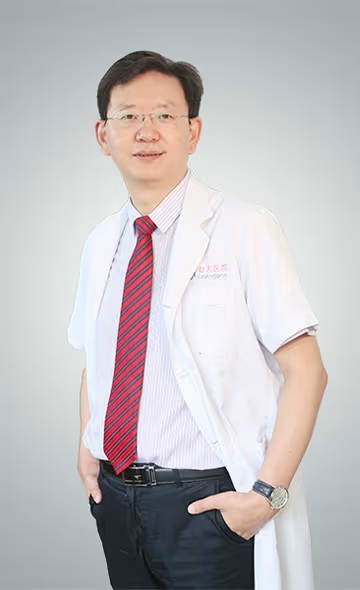
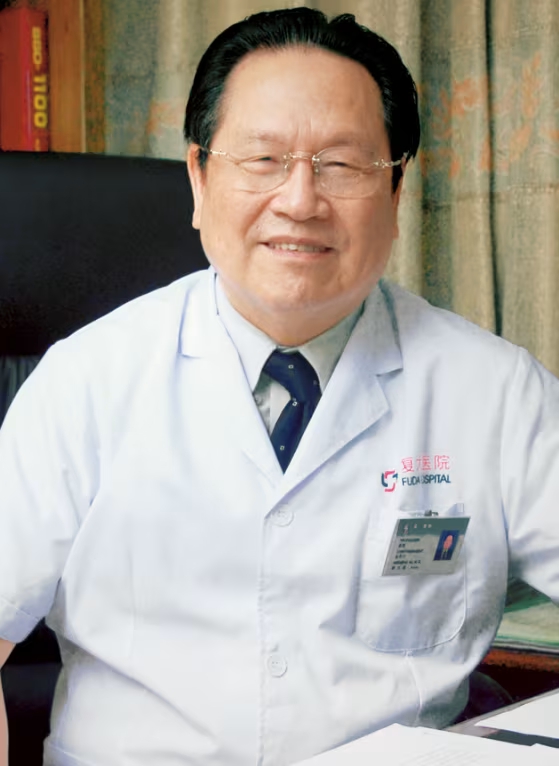



China’s oncology services are delivered within a nationally regulated healthcare system overseen by the National Health Commission, where cancer care is designated as a high-priority specialty within public hospitals and academic medical centers. Over the past several years, oncology in China has continued to evolve through regulatory modernization, national cancer control initiatives, and the structured adoption of advanced diagnostic and therapeutic technologies. Many tertiary hospitals now routinely use molecular pathology, next-generation sequencing, high-resolution PET-CT imaging, and precision radiotherapy planning systems, reflecting a care model that emphasizes diagnostic accuracy, multidisciplinary review, and patient safety.
Oncologists in China follow a clearly defined professional pathway that includes completion of a medical degree, standardized residency training, national licensing examinations, and formal subspecialty training in medical oncology, radiation oncology, or surgical oncology. Licensing and scope of practice are regulated at the national level, and continued certification requires participation in continuing medical education and professional development activities. Many senior oncologists hold academic appointments at university-affiliated hospitals and contribute to clinical research, postgraduate education, and national guideline development, reinforcing evidence-based practice and institutional accountability.
Cancer care infrastructure in China is primarily concentrated in large tertiary-care hospitals, national cancer centers, and university-affiliated oncology hospitals. These institutions are equipped with dedicated oncology wards, advanced imaging departments, radiotherapy suites, chemotherapy infusion units, and intensive care facilities capable of managing complex treatment needs. Academic affiliation supports multidisciplinary tumor boards involving oncologists, surgeons, radiologists, pathologists, and supportive care teams, allowing coordinated treatment planning within a single institution.
For foreign patients, several practical considerations are commonly part of early planning. Most international patients require a valid visa to enter China, often supported by a medical invitation letter issued by the treating hospital. Oncology treatment frequently involves multiple phases over extended periods, and patients often plan for longer stays to accommodate diagnostics, treatment cycles, and monitoring. Language barriers may arise, although many large hospitals maintain international patient departments that coordinate English-speaking staff or professional medical interpreters. Planning for follow-up care after returning home is typically emphasized, with hospitals providing comprehensive treatment summaries, pathology reports, and medication documentation to support continuity of care.
In practice, patients usually begin exploring oncology options by reviewing hospital credentials or contacting international patient offices for general information. Hospitals commonly request medical records such as pathology reports, imaging studies, laboratory results, prior treatment summaries, and referral letters for preliminary review. Communication often takes place through email or secure digital platforms, where administrative teams clarify documentation requirements, expected timelines, consent processes, and non-clinical logistics. Patients and families frequently ask about length of stay, visa extensions, caregiver accommodation, and coordination of different treatment phases, reflecting the complex planning involved in cancer care abroad.
Modern oncology care in China reflects the integration of advanced medical technologies with structured clinical governance systems aligned with international patient-safety standards. Many tertiary centers employ digital diagnostics, molecular and genetic testing platforms, and high-resolution CT, MRI, and PET imaging to support accurate cancer staging and individualized treatment planning. Radiation oncology departments increasingly use three-dimensional conformal radiotherapy, intensity-modulated radiotherapy, and image-guided delivery techniques to enhance precision while adhering to radiation safety protocols.
Strict institutional protocols govern infection control, diagnostic accuracy, imaging and radiology safety, anesthesia oversight for interventional procedures, and post-treatment monitoring. Multidisciplinary tumor boards are commonly used to review diagnostic findings and proposed treatment strategies, supporting transparency and peer oversight. Oncology units also integrate supportive care and structured follow-up pathways to monitor patients during and after treatment phases.
Continuous professional development is a core requirement for oncology specialists in China. Oncologists regularly participate in continuing medical education programs, international conferences, and collaborative research initiatives. Treatment plans are individualized, informed consent is mandatory, and final clinical decisions depend on professional evaluation by licensed specialists within accredited institutions. At a national level, China continues to be recognized for strengthening regulatory oversight and investing in modern oncology infrastructure and safety frameworks.
Chemotherapy and Systemic Therapy
Chemotherapy and other systemic therapies are used to treat a wide range of cancers. In China, these treatments are typically delivered in specialized oncology units with standardized protocols for drug preparation, administration, and monitoring. Diagnostic planning commonly includes pathology confirmation and imaging studies, with clinical oversight focused on infusion safety, infection prevention, and supportive monitoring.
Targeted Therapy
Targeted therapy involves medications designed to act on specific molecular pathways associated with certain cancers. Advanced laboratory testing supports therapy selection and monitoring. Safety protocols emphasize diagnostic accuracy, documentation, and structured follow-up under specialist supervision, with functional objectives related to disease control at a molecular level.
Immunotherapy
Immunotherapy aims to support the body’s immune response against cancer cells. In Chinese oncology centers, immunotherapy is delivered under strict clinical governance, with pre-treatment assessment, monitoring protocols, and post-treatment follow-up integrated into care pathways. Multidisciplinary oversight supports safe administration and ongoing evaluation.
Radiation Oncology
Radiation oncology uses precisely planned radiation to treat cancerous tissues. Chinese hospitals commonly use CT-based simulation, digital treatment planning, and image-guided delivery systems. Safety protocols address radiation dose calculation, equipment calibration, and patient positioning, with oversight from specialized radiation oncology teams.
Surgical Oncology
Surgical oncology focuses on the removal or biopsy of tumors as part of cancer management. These procedures are performed in tertiary hospitals with access to advanced imaging, pathology services, and perioperative care units. Clinical governance emphasizes anesthesia safety, sterile technique, and postoperative monitoring.
Palliative and Supportive Oncology Care
Supportive oncology care addresses symptom management and quality-of-life considerations alongside active treatment. Services may include pain management, nutritional support, and psychosocial care, delivered within structured hospital-based programs under multidisciplinary oversight.
National Cancer Center China
Accreditations: National Health Commission oversight; national-level cancer center affiliation.
Specializations: Provides comprehensive oncology services including medical oncology, radiation oncology, and cancer diagnostics within a multidisciplinary, research-focused environment.
Fudan University Shanghai Cancer Center
Accreditations: National Health Commission oversight; Fudan University affiliation.
Specializations: Focuses on comprehensive cancer care integrating systemic therapy, radiation oncology, and surgical oncology within an academic tertiary-care framework.
Sun Yat-sen University Cancer Center
Accreditations: National Health Commission oversight; Sun Yat-sen University affiliation.
Specializations: Delivers multidisciplinary oncology services supported by advanced diagnostics, radiotherapy, and academic research programs.
Peking Union Medical College Hospital
Accreditations: National Health Commission oversight; Peking Union Medical College affiliation.
Specializations: Provides advanced oncology services across multiple cancer types, emphasizing complex diagnostics, multidisciplinary care, and research integration.
West China Hospital
Accreditations: National Health Commission oversight; Sichuan University affiliation.
Specializations: Offers comprehensive oncology services supported by advanced imaging, laboratory diagnostics, and multidisciplinary clinical teams.
Ruijin Hospital
Accreditations: National Health Commission oversight; Shanghai Jiao Tong University School of Medicine.
Specializations: Integrates oncology care with academic research and structured patient safety systems within a tertiary hospital setting.
China-Japan Friendship Hospital
Accreditations: National Health Commission oversight; national teaching hospital status.
Specializations: Provides medical oncology and radiation oncology services within a multidisciplinary, standardized care framework.
| Oncology Service | Estimated Cost Range (USD) |
| Chemotherapy (per cycle) | $1,500-$4,000 |
| Targeted Therapy (monthly) | $3,000-$8,000 |
| Immunotherapy (per cycle) | $3,500-$10,000 |
| Radiation Therapy (full course) | $6,000-$15,000 |
| Surgical Oncology Procedure | $10,000-$30,000 |
| Advanced Diagnostic Imaging & Pathology | $1,500-$5,000 |
Note: The prices listed above are approximate, non-binding estimates provided for general informational purposes only. Actual treatment costs may vary based on individual clinical requirements, diagnostic findings, treatment complexity, materials or technology used, physician expertise, facility type, and duration of care. Final pricing is determined only after a professional evaluation by a licensed specialist or accredited medical institution.
Oncology care in China is delivered within a centrally regulated healthcare system emphasizing national oversight, institutional accountability, and patient safety. The National Health Commission sets standards for hospital accreditation, specialist licensing, infection control, and clinical documentation. Major cancer centers implement internal audits, multidisciplinary review processes, and standardized consent pathways aligned with international clinical governance principles.
Specialist training standards ensure oncologists receive formal education, supervised clinical experience, and ongoing professional development. Many participate in international conferences and collaborative research, supporting evidence-based medicine and alignment with global oncology guidelines. Advanced medical technologies-such as molecular diagnostics, precision radiotherapy, and digital health records-are increasingly integrated into routine care, supporting transparency and continuity.
China has also strengthened governance related to international patient services as part of broader medical tourism oversight. Public hospitals often maintain dedicated international offices to coordinate documentation, interpreter services, and administrative support for foreign patients. Patients commonly seek reassurance regarding regulatory protection, data handling, and follow-up planning, and institutions typically address these concerns through structured, documented processes.
Restrictions and practical considerations:
Foreign patients may encounter visa-related limitations, extended treatment timelines requiring long stays, and regional differences in language support. Access to certain public hospital services may depend on institutional policies and capacity. Post-treatment follow-up and continuity of care after returning home require careful planning and comprehensive documentation.
Best Clinic Abroad is a medical travel facilitator, not a medical provider, and helps patients understand the non-clinical aspects of seeking oncology care abroad. It does not provide diagnoses, treatment recommendations, or influence clinical decisions, which are made exclusively by licensed oncologists and accredited hospitals. Its role focuses on coordination, administrative clarity, and information support.
➤ Hospital coordination - Support communication and coordination with accredited hospitals
➤ Appointment support - Assist with scheduling and organizing consultations
➤ Communication assistance - Help patients understand next steps without replacing medical advice
➤ Logistical guidance - Offer non-clinical support related to travel planning
All medical decisions are made exclusively by licensed physicians and accredited institutions, and patients who wish to better understand administrative processes may choose to engage with Best Clinic Abroad for guidance on potential next steps.
What is the best cancer center in China?
China does not officially designate a single “best” cancer center. National cancer centers and large university-affiliated oncology hospitals are commonly recognized for comprehensive services, specialist training, and regulatory oversight.
How does China treat cancer patients?
Cancer treatment in China is delivered through hospital-based oncology departments using a combination of systemic therapy, radiation therapy, surgery, and supportive care. Treatment planning typically involves multidisciplinary evaluation and adherence to nationally regulated safety standards.
How expensive is cancer treatment in China?
Cancer treatment costs in China vary widely depending on cancer type, treatment modality, and duration of care. Expenses may include diagnostics, therapy cycles, hospitalization, and supportive services, with final costs determined after professional clinical evaluation.
Disclaimer: This content is provided for informational purposes only and does not constitute medical advice. It reflects non-clinical observation of healthcare coordination processes and institutional practices in China and does not represent direct medical practice. Diagnosis and treatment decisions should always be made in consultation with a licensed medical specialist based on individual clinical evaluation.
Last updated: January 2026

 Dr. Ke Liqun
 Oncology
.avif&w=3840&q=75)


