








Bestclinicabroad
Connect with the world's Best Clinic and doctors at Best Clinic Abroad. Your well-being is our priority, with personalized care every step of the way.


Connect with the world's Best Clinic and doctors at Best Clinic Abroad. Your well-being is our priority, with personalized care every step of the way.



 Lohmühlenstraße 5, 20099 Hamburg, Germany
Asklepios St. Georg Clinic Established in 1823, is one of Germany's oldest and most renowned medical institutions. Located in Hamburg, it is part of the Asklepios Hospital Group, which manages over 170 healthcare facilities nationwide. The hospital specializes in various medical fields, including cardiology, neurology, oncology, general surgery, and orthopedics, and it provides comprehensive and multidisciplinary patient care.
Asklepios St. Georg Clinic is known for its commitment to medical innovation and high treatment standards. The hospital integrates advanced diagnostic tools and surgical techniques to provide precision in complex procedures. Multiple healthcare organizations accredit and adhere to international quality standards, making it a trusted choice for local and international patients.
Advanced Technology & Facilities
Key Services
Asklepios St. Georg Clinic continues to set benchmarks in medical excellence by combining world-class expertise, advanced technology, and a patient-centered approach. Its affiliation with the Asklepios Group provides access to a vast medical network, making it a premier destination for advanced healthcare in Germany.


 Germany, Duisburg, Kleverstr. 23, D-40477 Deutschland
Established in 1995, Bethesda Hospital Association has built a strong reputation as a trusted healthcare provider in Germany. Located in Duisburg, the hospital is affiliated with the Deutsche Klinik Allianz, a leading network of medical institutions. Bethesda Hospital Association is dedicated to patient-centered care, offering a comprehensive range of medical specialties, including cardiology, oncology, orthopedics, plastic surgery, urology, gynecology, and general surgery.
Bethesda Hospital Association is known for its commitment to high-quality healthcare, ensuring that each patient receives personalized treatment. A team of experienced physicians, compassionate nurses, and skilled healthcare professionals work together to provide the best possible care. The hospital integrates modern medical techniques with a multidisciplinary approach, enhancing treatment outcomes and patient safety.
Advanced Technology & Facilities
Key Services
Bethesda Hospital Association continues to uphold its commitment to excellence in healthcare, integrating innovative medical technology with a patient-first approach. As a preferred medical destination, the hospital provides that every patient receives high-quality, personalized care in a modern and welcoming environment.

 Maximilianspl. 2, 91054 Erlangen, Germany
Established in the year 1815, University Hospital Erlangen is a leading academic medical center that provides comprehensive services in various medical specialties. The hospital is affiliated with the Friedrich-Alexander University Erlangen-Nuremberg (FAU), combining advanced research with high-quality patient care. University Hospital Erlangen offers a wide range of diagnostic, surgical, and therapeutic services, utilizing the latest technologies and advanced treatment methods. It is recognized for its patient-centered care and multidisciplinary approach, ensuring that patients receive individualized and effective treatments.
Advanced Technology & Facilities
Key Services at University Hospital Erlangen
University Hospital Erlangen combines academic excellence, the latest medical technologies, and compassionate care to deliver outstanding healthcare services, making it a top choice for patients in Germany and around the world.
 Steinerweg 5, 81241 München, Germany
Helios Hospital München West is a premier multidisciplinary medical institution recognized globally for its comprehensive healthcare services. As part of the renowned Helios network, the hospital ranks among the top 30 clinics worldwide and holds 9th in Europe. It specializes in Radiology, Rehabilitation, Gynecology, Neurology, Dermatology, Oncology, Urology, and Cardiology, ensuring patients receive expert care across various medical fields. Accredited by DDG (German Diabetes Society), DKG (German Cancer Society), and IQM, Helios Hospital München West is committed to maintaining the highest international healthcare standards.
Advanced Technology & Facilities
High-tech equipment: The hospital has advanced medical technologies, including robotic surgery systems, advanced vascular surgery tools, and advanced diagnostic imaging for precise and effective treatment.
Modern operating theaters: Featuring minimally invasive, vascular, and robotic surgical capabilities, the hospital provides advanced surgical care with shorter recovery times and improved outcomes.
Comfortable patient accommodations: Helios Hospital München West offers private patient rooms with modern amenities, ensuring a comfortable and stress-free recovery.
Key Services
Specialties: Oncology, Cardiology, Neurology, Urology, Dermatology, Radiology, Rehabilitation, Gynecology
Facilities: The hospital houses specialized centers for robotic surgery, vascular surgery, and cancer treatment, as well as dedicated rehabilitation services.
Annual Care: Serving over 50,000 patients annually, Helios Hospital München West is known for its expert medical teams, advanced research, and commitment to innovation in healthcare.
Helios Hospital München West provides comprehensive support for international patients, including visa assistance, accommodation arrangements, inclusive treatment packages, and multilingual interpreter services. With a patient-centric approach and world-class medical expertise, the hospital remains a trusted destination for high-quality healthcare in Germany and beyond.
 St.-Jürgen-Str. 1 28205 Bremen, Germany
Established in 1972 and listed among the top 100 hospitals in Germany by FOCUS magazine, Bremen Mitte Clinic is renowned for its pioneering work in pediatric surgery and innovative medical treatments. Bremen Mitte Clinic is a leading multi-specialty hospital in Germany, operating under the Gesundheit Nord GmbH Bremen Hospital Group. With nearly five decades of medical excellence, the hospital has gained international recognition for its high standards in patient care, advanced technology, and a team of academic physicians and surgeons. Affiliated with three other hospitals in Bremen, Bremen Mitte Clinic provides comprehensive services, ensuring patients receive world-class medical treatment in a highly specialized environment.
Advanced Technology & Facilities
High-tech equipment: The hospital utilizes advanced medical technology, including the Da Vinci Robotic System for minimally invasive surgeries, high-precision imaging systems, and innovative diagnostic tools to enhance treatment accuracy.
Modern operating theaters: The hospital's advanced surgical technology allows for minimally invasive and robotic-assisted procedures, ensuring optimal patient outcomes.
Dedicated emergency care: The hospital features a specialized emergency children’s department, ensuring prompt and expert care for pediatric patients.
Accreditations: Bremen Mitte Clinic holds DEKRA patient safety certification and European Visceral Oncology Center accreditation, reflecting its commitment to international healthcare standards.
 Züricher Str. 40, 28325 Bremen, Germany
Established in 1904, Bremen-Ost Clinic is a leading medical facility in Bremen, Germany, specializing in lung surgery, neurology, psychotherapy, and psychiatry. As part of the Nord Klinik Allianz network, it integrates advanced medical research with high-quality patient care. The clinic is recognized for its innovative treatment approaches and commitment to excellence in healthcare. With a multidisciplinary team of specialists, Bremen-Ost Clinic ensures comprehensive and patient-centered treatment for both national and international patients.
Key Services at Bremen-Ost Clinic
Bremen-Ost Clinic is a pioneer in medical care, combining scientific excellence, innovative treatments, and compassionate care, making it a top choice for patients seeking specialized treatments.
 Rübenkamp 220, 22307 Hamburg, Germany
Established in 1913, Asklepios Hospital Barmbek is a prominent medical institution renowned for its comprehensive healthcare services. As an academic teaching hospital affiliated with the University of Hamburg, it integrates advanced research with high-quality patient care. The hospital specializes in emergency medicine and the treatment of complex conditions, particularly in internal medicine and oncology. With a multidisciplinary team of experts, the hospital ensures personalized and effective treatments for both local and international patients.
Key Services at Asklepios Hospital Barmbek
Asklepios Hospital Barmbek combines medical excellence, innovative treatments, and compassionate care, making it a preferred choice for patients seeking high-quality healthcare services in Germany and beyond.
 Ziemssenstraße 5, 80336 München, Germany
Europe's largest academic medical centers, with more than 2,000 beds spread across its two campuses: Großhadern and Innenstadt. The hospital is renowned for its world-class healthcare services, cutting-edge research, and patient care.
Founded in 1781, LMU Klinikum is closely affiliated with the Ludwig Maximilian University of Munich (LMU) and provides state-of-the-art medical services in a broad range of specialties, from oncology and cardiology to pediatrics and organ transplantation. It integrates innovative research with clinical practice to deliver excellent medical care.
Advanced Technology & Facilities
Key Services at LMU Klinikum
LMU Klinikum combines expert medical care with groundbreaking research, making it a preferred destination for patients worldwide.
 Steinbacher Hohl 2-26, 60488 Frankfurt am Main, Germany
Nordwest Hospital, established in 1963, is a leading multidisciplinary academic hospital affiliated with Goethe University. For over 50 years, it has been dedicated to scientific, evidence-based medicine and integrating advanced research into patient care. With 285 highly qualified doctors, the hospital treats approximately 62,000 patients annually, including 18,000 inpatients and 40,000 outpatients. Focus magazine recognized Nordwest Hospital among the top 100 hospitals in Germany, and It has gained a strong international reputation for its excellence in healthcare.
Advanced Technology & Facilities
High-tech equipment: The hospital has advanced technologies, including IMRT, PET-CT, Radioiodine Therapy, and 3D MRI, ensuring precise diagnostics and effective treatments.
Modern operating theaters: Advanced surgical suites featuring advanced technology support complex procedures across multiple specialties.
Comfortable patient rooms: Well-furnished private rooms with round-the-clock nursing care, modern amenities, and a patient-centric approach enhance recovery and overall comfort.
Specialties:
 Germany, Nuernberg, Prof.-Ernst-Nathan-Str. 1 90419
Established in 1897, Nuremberg Clinic is a renowned multidisciplinary hospital offering outstanding healthcare services to local and international patients. It operates across two campuses and provides comprehensive medical care through 42 specialized departments. The hospital's dedicated team of 7,000 professionals provides high diagnosis, treatment, and patient care standards. The clinic is ISO 9001 accredited, reflecting its commitment to quality healthcare services.
Equipped with advanced medical technologies, Nuremberg Clinic emphasizes minimally invasive procedures to enhance patient comfort, promote faster recovery, and reduce hospital stays. The emergency center operates 24/7, ensuring immediate medical assistance. Focus magazine has recognized Nuremberg Clinic as one of Germany’s top hospitals, and It continues to attract international patients seeking world-class treatment.
Advanced Technology & Facilities
With a strong focus on patient-centered care, advanced medical expertise, and high-end technological integration, Nuremberg Clinic remains a leader in healthcare innovation and provides optimal patient treatment outcomes.

Germany is internationally recognized for a highly regulated, safety-driven healthcare system, and oncology care is delivered within this structured national framework. Cancer services are overseen by federal and state-level regulations, with clinical governance coordinated through bodies such as the German Federal Ministry of Health and professional medical chambers. In recent years, oncology clinics across Germany have continued to integrate modern developments, including molecular diagnostics, precision oncology approaches, digitally supported tumor boards, and standardized cancer care pathways aligned with European and international clinical governance principles. These updates reflect ongoing investment in hospital infrastructure, health information systems, and regulatory oversight rather than isolated institutional initiatives.
Oncology specialists in Germany undergo extensive medical education, specialty training, and continuous professional development before practicing independently. Physicians complete accredited residency programs, followed by board certification and mandatory participation in continuing medical education. Cancer care is commonly delivered through multidisciplinary teams that include medical oncologists, radiation oncologists, surgeons, radiologists, and pathologists, ensuring coordinated decision-making and adherence to evidence-based protocols. Hospitals providing oncology services are typically integrated into university or tertiary-care networks, supporting clinical research, structured training, and quality monitoring.
German oncology hospitals are characterized by advanced diagnostic and treatment infrastructure, including comprehensive imaging services, radiation therapy facilities, and specialized inpatient and outpatient oncology units. Many institutions are affiliated with academic universities and participate in national cancer registries and quality assurance programs. In practice, patients often begin exploring treatment options by submitting existing medical recordssuch as pathology reports, imaging results, and prior treatment summariesfor preliminary review by hospital teams. Communication with international patient departments typically occurs through dedicated coordination offices that handle documentation, appointment scheduling, and general administrative questions.
For international patients, practical considerations form an important part of care planning. Entry visas for medical travel are commonly required, depending on the patient’s country of origin, and hospitals or facilitators often assist with the documentation needed for visa applications. Post-treatment stay requirements can vary by procedure, but a minimum stay of 7–14 days is often recommended for initial recovery and follow-up assessments. While many clinicians and hospital staff communicate in English, professional medical interpretation services are commonly available when needed. Planning for follow-up care after returning home is also routinely discussed, with hospitals typically providing written summaries to support continuity of care with local physicians.
Oncology clinics in Germany have continued to adopt advanced medical technologies and care models designed to support diagnostic accuracy, patient safety, and individualized treatment planning. These include digital pathology systems, high-resolution imaging, advanced radiotherapy planning software, and molecular profiling tools that assist clinicians in understanding tumor characteristics. Care delivery is aligned with internationally recognized clinical and patient-safety standards, reflecting both national regulation and broader European healthcare frameworks.
Strict protocols govern infection prevention, diagnostic verification, imaging and radiology safety, anesthesia management, and post-treatment monitoring. Oncology services commonly operate within certified cancer centers that undergo regular audits and reporting obligations. Continuous professional development is a standard requirement, with specialists participating in international conferences, clinical research initiatives, and structured continuing medical education programs to remain current with evolving oncology practices.
Across German oncology centers, treatment plans are individualized based on comprehensive clinical evaluation, diagnostic findings, and multidisciplinary review. Informed consent is a mandatory component of care, and final clinical decisions are made exclusively by licensed specialists following professional assessment. Germany is widely recognized at a national level for its emphasis on healthcare regulation, innovation, and patient safety within oncology services.
Chemotherapy
Chemotherapy is used to treat a wide range of cancers by targeting rapidly dividing cells. In Germany, chemotherapy planning typically involves a detailed diagnostic review, including pathology confirmation and imaging studies, to determine appropriate protocols. Treatment is delivered under strict safety standards, with monitoring for side effects, infection control measures, and regular clinical oversight to support patient safety.
Radiation Therapy
Radiation therapy uses targeted radiation to destroy cancer cells or control tumor growth. German oncology centers employ advanced imaging and treatment planning systems to precisely define radiation fields while minimizing exposure to surrounding tissues. Safety protocols include quality assurance checks, equipment calibration, and multidisciplinary review of treatment plans.
Surgical Oncology
Surgical oncology focuses on the removal of tumors and affected tissues when clinically indicated. Procedures are planned using preoperative imaging and multidisciplinary assessment to define surgical objectives. German hospitals maintain strict perioperative safety standards, including anesthesia oversight, infection prevention, and postoperative monitoring within specialized surgical units.
Immunotherapy
Immunotherapy supports the body’s immune system in recognizing and responding to cancer cells. In Germany, immunotherapy use is guided by diagnostic testing and clinical evaluation to determine appropriateness. Treatment is administered within regulated hospital settings with protocols for monitoring immune-related effects and ensuring patient safety.
Targeted Therapy
Targeted therapy involves medications designed to act on specific molecular features of cancer cells. German oncology clinics commonly use molecular diagnostics to inform treatment planning. Safety frameworks emphasize accurate diagnostic interpretation, controlled medication administration, and ongoing assessment during treatment.
Stem Cell Transplantation
Stem cell transplantation may be used in certain hematologic cancers and conditions. In Germany, these procedures are conducted in specialized centers with dedicated isolation facilities, infection control protocols, and long-term monitoring systems. Clinical oversight involves multidisciplinary teams and adherence to national and international transplant standards.
Charité – Universitätsmedizin Berlin
Accreditations:
National regulatory oversight under German federal and state health authorities; university teaching hospital affiliation.
Specializations:
Comprehensive oncology services across medical, surgical, and radiation oncology, supported by multidisciplinary tumor boards and academic research programs.
Heidelberg University Hospital
Accreditations:
National oversight; affiliated with Heidelberg University.
Specializations:
Advanced oncology care, including precision medicine approaches, clinical trials, and specialized cancer centers within a tertiary-care academic environment.
University Hospital Munich (LMU Klinikum)
Accreditations:
National regulatory supervision; university teaching hospital.
Specializations:
Broad cancer subspecialties with integrated diagnostic imaging, radiation therapy, and research-based oncology programs.
University Hospital Frankfurt
Accreditations:
National oversight; academic medical center affiliation.
Specializations:
Multidisciplinary oncology services with a focus on complex cancer cases and collaborative clinical research.
University Hospital Cologne
Accreditations:
German health authority oversight; university-affiliated institution.
Specializations:
Oncology care spanning solid tumors and hematologic malignancies within a research-oriented hospital setting.
University Hospital Hamburg-Eppendorf
Accreditations:
National regulation; university teaching hospital.
Specializations:
Integrated cancer services with emphasis on translational research and multidisciplinary treatment planning.
| Procedure Type | Estimated Cost |
| Chemotherapy (per cycle) | $2,500–$6,000 |
| Radiation Therapy | $8,000–$18,000 |
| Surgical Oncology | $15,000–$35,000 |
| Immunotherapy (per cycle) | $4,000–$10,000 |
| Targeted Therapy (per month) | $3,500–$9,000 |
| Stem Cell Transplantation | $60,000–$120,000 |
Note: The prices listed above are approximate, non-binding estimates provided for general informational purposes only. Actual treatment costs may vary based on individual clinical requirements, diagnostic findings, treatment complexity, materials or technology used, physician expertise, facility type, and duration of care. Final pricing is determined only after a professional evaluation by a licensed specialist or accredited medical institution.
Germany’s oncology services operate within a highly regulated healthcare system that emphasizes patient safety, clinical accountability, and evidence-based practice. National oversight mechanisms ensure that hospitals and specialists comply with standardized clinical governance frameworks, documentation requirements, and quality assurance processes. This structured environment can provide reassurance to patients navigating complex cancer care decisions.
Specialist training standards in Germany are rigorous, with clearly defined pathways for certification and ongoing professional development. Oncology clinicians are required to participate in continuing education and adhere to updated clinical guidelines informed by international research and consensus. Advanced medical technologies, including digital diagnostics and precision treatment planning tools, are integrated into routine practice under regulated conditions.
Transparency and ethical medical tourism principles are supported through clear documentation, informed consent processes, and defined roles between medical providers and non-clinical facilitators. Germany maintains national frameworks governing international patient care, designed to protect patient rights and ensure clarity around treatment planning and administrative processes.
Restrictions and Practical Considerations
Foreign patients may encounter eligibility or administrative requirements related to visa status and healthcare access. Post-treatment stay durations can vary depending on procedure type and clinical monitoring needs. Practical considerations such as insurance coverage, follow-up coordination, and continuity of care after returning home are commonly discussed during planning stages and may influence overall treatment timelines.
Best Clinic Abroad acts as a medical travel facilitator, supporting patients as they navigate non-clinical aspects of seeking oncology care in Germany. The organization does not provide medical services, make diagnoses, or influence clinical decisions, which remain solely the responsibility of licensed physicians and accredited hospitals. Its role is focused on coordination and clarity during what can be a complex planning process.
➤ Hospital coordination – Support communication and coordination with accredited hospitals
➤ Appointment support – Assist with scheduling and organizing consultations
➤ Communication assistance – Help patients understand next steps without replacing medical advice
➤ Logistical guidance – Offer non-clinical support related to travel planning
All medical decisions are made exclusively by licensed physicians and accredited hospitals. Patients who wish to explore their options may choose to share their case details to receive guidance on possible next steps in the coordination process.
Is oncology treatment in Germany considered safe for international patients?
Germany’s oncology services operate within a highly regulated healthcare system with national oversight, standardized clinical governance, and adherence to internationally recognized patient safety principles. While no medical treatment is without risk, these frameworks are designed to support consistent standards of care for both domestic and international patients.
Do hospitals in Germany assist with visa or medical travel documentation?
In practice, hospitals often provide medical invitation letters or treatment confirmations needed for visa applications. Administrative coordination is typically handled through international patient departments or medical travel facilitators, while visa decisions remain the responsibility of the relevant authorities.
Can I arrange an online oncology consultation before traveling?
Online consultations are commonly used for initial case review and discussion. Through Best Clinic Abroad, patients can request assistance in coordinating online consultations with accredited hospitals, allowing specialists to review medical records before any travel decisions are made.
Will language be a barrier during oncology treatment in Germany?
Many hospitals have English-speaking medical staff, and professional medical interpreters are commonly available when needed. International patient departments typically coordinate language support to help ensure clear communication throughout the care process.
Disclaimer: This content is provided for informational purposes only and does not constitute medical advice. It reflects non-clinical observation of healthcare coordination processes and institutional practices in Germany and does not represent direct medical practice. Diagnosis and treatment decisions should always be made in consultation with a licensed medical specialist based on individual clinical evaluation.
Last updated: January 2026







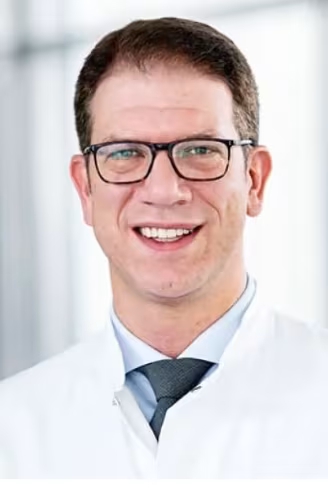




 Dr. Alessandro Marra
 Oncology


