









Bestclinicabroad
Connect with the world's Best Clinic and doctors at Best Clinic Abroad. Your well-being is our priority, with personalized care every step of the way.


Connect with the world's Best Clinic and doctors at Best Clinic Abroad. Your well-being is our priority, with personalized care every step of the way.



 Kanzlerstraße 2-6, 75175 Pforzheim, Germany
Helios Hospital Pforzheim is recognized as a leading hospital in Pforzheim and one of the best hospitals in Germany, offering top healthcare services in Germany. Located at Kanzlerstraße 2-6, 75175 Pforzheim, it is part of the renowned Helios medical network and provides specialized medical care in Germany to patients from across the world. The hospital is home to 1,300 medical professionals and treats approximately 100,000 patients annually, ensuring high-quality patient care in Germany through precise diagnostics and advanced treatment methods.
Comprehensive Medical Services
Advanced Medical Diagnostics in Germany
As one of the best hospitals in Germany, Helios Hospital Pforzheim offers specialized medical care in Germany with top healthcare services. Whether seeking advanced medical diagnostics in Germany, oncology treatment in Germany, or pain management treatment in Germany, patients receive care from some of the best medical specialists in Germany. With a strong focus on patient comfort, emergency medical care in Germany, and international patient services in Germany, the hospital continues to be a trusted destination for world-class healthcare.


 Lohmühlenstraße 5, 20099 Hamburg, Germany
Asklepios St. Georg Clinic Established in 1823, is one of Germany's oldest and most renowned medical institutions. Located in Hamburg, it is part of the Asklepios Hospital Group, which manages over 170 healthcare facilities nationwide. The hospital specializes in various medical fields, including cardiology, neurology, oncology, general surgery, and orthopedics, and it provides comprehensive and multidisciplinary patient care.
Asklepios St. Georg Clinic is known for its commitment to medical innovation and high treatment standards. The hospital integrates advanced diagnostic tools and surgical techniques to provide precision in complex procedures. Multiple healthcare organizations accredit and adhere to international quality standards, making it a trusted choice for local and international patients.
Advanced Technology & Facilities
Key Services
Asklepios St. Georg Clinic continues to set benchmarks in medical excellence by combining world-class expertise, advanced technology, and a patient-centered approach. Its affiliation with the Asklepios Group provides access to a vast medical network, making it a premier destination for advanced healthcare in Germany.
 Holstenstraße 2, 22767 Hamburg, Germany
Established in 1976, Helios ENDO-Klinik Hamburg is a globally recognized center for orthopedics, sports orthopedics, and spinal surgery. It is part of the esteemed Helios hospital group and is accredited by prominent organizations like the Leading Medicine Guide, FOCUS Clinic List, and Newsweek’s "World's Best Hospitals. " Known as Europe's most significant specialty center for endoprosthetics, the clinic has performed over 750,000 joint replacements and helps over 9,000 patients annually regain mobility. This global recognition underscores our expertise and commitment to providing high-quality care.
Advanced Technology & Facilities
 Charitépl. 1, 10117 Berlin, Germany
Founded in 1710, Charité has evolved into a premier medical institution affiliated with both Humboldt University and the Free University of Berlin. The hospital is renowned for its comprehensive medical services, advanced research, and excellence in teaching. With a multidisciplinary approach, Charité offers specialized care across various fields, ensuring personalized treatment plans for each patient. Its commitment to integrating research and clinical practice has solidified its reputation as a leader in medical innovation.
Key Services at Charité:
Charité – Universitätsmedizin Berlin combines a rich history with modern medical practices, offering patients exceptional care supported by the latest research and technology. Its dedication to medical excellence makes it a top choice for healthcare services in Germany and beyond.
 St.-Jürgen-Str. 1 28205 Bremen, Germany
Established in 1972 and listed among the top 100 hospitals in Germany by FOCUS magazine, Bremen Mitte Clinic is renowned for its pioneering work in pediatric surgery and innovative medical treatments. Bremen Mitte Clinic is a leading multi-specialty hospital in Germany, operating under the Gesundheit Nord GmbH Bremen Hospital Group. With nearly five decades of medical excellence, the hospital has gained international recognition for its high standards in patient care, advanced technology, and a team of academic physicians and surgeons. Affiliated with three other hospitals in Bremen, Bremen Mitte Clinic provides comprehensive services, ensuring patients receive world-class medical treatment in a highly specialized environment.
Advanced Technology & Facilities
High-tech equipment: The hospital utilizes advanced medical technology, including the Da Vinci Robotic System for minimally invasive surgeries, high-precision imaging systems, and innovative diagnostic tools to enhance treatment accuracy.
Modern operating theaters: The hospital's advanced surgical technology allows for minimally invasive and robotic-assisted procedures, ensuring optimal patient outcomes.
Dedicated emergency care: The hospital features a specialized emergency children’s department, ensuring prompt and expert care for pediatric patients.
Accreditations: Bremen Mitte Clinic holds DEKRA patient safety certification and European Visceral Oncology Center accreditation, reflecting its commitment to international healthcare standards.
 Strümpellstraße 41, 04289 Leipzig, Germany
Helios Park Hospital Leipzig, founded in 1901, is an esteemed academic teaching hospital affiliated with the University of Leipzig. The hospital offers a comprehensive range of medical services, including oncology, neurology, orthopedics, cardiology, and general surgery. It integrates modern research with high-quality patient care, ensuring innovative treatment approaches and advanced medical technologies. With a multidisciplinary team of experts, the hospital delivers personalized and patient-centered healthcare to both national and international patients.
Key Services at Helios Park Hospital Leipzig
Helios Park Hospital Leipzig is a pioneer in medical excellence, combining research-driven healthcare, innovative treatments, and compassionate patient care, making it a top destination for specialized medical services worldwide.
 Heusnerstraße 40, 42283 Wuppertal, Germany
Helios University Hospital Wuppertal is a premier medical institution in Germany, affiliated with the University of Witten/Herdecke. The hospital is known for its excellence in academic medicine, research, and patient care. With a multidisciplinary approach, it provides advanced medical services across various specialties, ensuring comprehensive treatment and high-quality healthcare for both local and international patients. The hospital combines innovative medical technology with personalized treatment strategies, making it a leading choice for specialized and complex medical care.
Key Services at Helios University Hospital Wuppertal
Helios University Hospital Wuppertal is a center of medical excellence, integrating advanced healthcare solutions with a focus on innovation, research, and patient well-being, making it one of the most sought-after hospitals in Germany.
 Moorenstraße 5 Universitätsklinikum, 40225 Düsseldorf, Germany
Established in 1907, University Hospital Düsseldorf is a premier medical institution in Germany, known for its excellence in patient care, research, and education. The hospital serves over 300,000 outpatients and more than 48,000 inpatients annually, attracting patients from around the world. It has been recognized among the top 100 hospitals by FOCUS magazine for its commitment to high-quality healthcare.
Advanced Technology & Facilities
Key Services
University Hospital Düsseldorf continues to be a beacon of medical excellence in Europe, offering world-class healthcare with advanced medical technology and compassionate patient care.






Germany is recognized globally for its well-regulated and high-quality healthcare system, making it an attractive destination for spine surgery patients worldwide. The country’s healthcare system is characterized by rigorous national regulations and oversight to ensure the safety and well-being of patients. German hospitals and clinics are known for their adherence to these regulations, ensuring that all procedures are conducted with the highest standards of safety and medical excellence. With a strong focus on patient care, Germany continues to integrate innovative technologies and modern surgical techniques in the treatment of spine-related conditions.
German spine surgery centers are equipped with the latest medical technologies, including advanced imaging systems, robotic-assisted surgery, and minimally invasive techniques. These modern developments ensure that patients receive the best possible care while minimizing risks and improving recovery times. Additionally, Germany's well-established infrastructure of tertiary-care hospitals and its affiliation with numerous universities and academic institutions contribute to a rich environment for both clinical practice and medical research.
For international patients, Germany offers a comprehensive medical tourism framework, ensuring clear communication, guidance, and support throughout the treatment process. Hospitals provide visa assistance, medical interpreters, and facilitate the entire travel and treatment experience. Patients are typically advised to stay for at least 7-14 days after surgery for proper recovery and follow-up care. With a high standard of patient care, Germany continues to be a trusted destination for spine surgery patients from around the world.
In recent years, Germany has seen the adoption of cutting-edge technologies in spine surgery, which has significantly enhanced patient care. Minimally invasive techniques, such as endoscopic spine surgery, have become more widely used, reducing the need for large incisions and improving recovery times. Additionally, Germany is known for its use of robotic-assisted surgery, which offers enhanced precision and control during complex procedures, leading to better outcomes for patients.
German hospitals also emphasize the importance of diagnostic accuracy in spine surgery, employing advanced imaging techniques like 3D CT and MRI scans to ensure precise preoperative planning and intraoperative navigation. These technologies allow for a more targeted approach to surgery, reducing complications and improving overall patient outcomes. Furthermore, German healthcare institutions strictly adhere to international clinical and patient safety standards, with comprehensive protocols for infection control, anesthesia safety, and post-treatment monitoring.
The country’s commitment to continuous professional development ensures that spine surgeons are regularly updated with the latest techniques and methodologies. Many hospitals participate in international conferences and Continuing Medical Education (CME) programs, ensuring that practitioners remain at the forefront of spine surgery advancements.
Spinal Fusion Surgery
Spinal fusion surgery is a procedure used to permanently connect two or more vertebrae in the spine. This surgery is typically performed to address conditions like degenerative disc disease, spinal stenosis, or scoliosis. The procedure often involves the use of bone grafts, metal rods, screws, or plates to stabilize the spine and promote healing. Preoperative imaging, such as MRI or CT scans, is essential in determining the exact area for fusion. The procedure is performed under general anesthesia, and postoperative care includes a structured rehabilitation plan to aid recovery.
Disc Replacement Surgery
Disc replacement surgery involves removing a damaged intervertebral disc and replacing it with an artificial one. This procedure is primarily used for patients suffering from severe disc degeneration. The goal is to relieve pain while preserving motion in the affected part of the spine. The surgery is typically performed using minimally invasive techniques, which reduce the risk of complications and promote faster recovery. Careful preoperative planning, including imaging and diagnostic tests, ensures that the artificial disc is the appropriate size and material for the patient's condition.
Laminectomy
A laminectomy is a surgical procedure that removes a portion of the vertebrae called the lamina. This procedure is commonly used to treat conditions like spinal stenosis or herniated discs that are causing nerve compression. By removing part of the lamina, pressure on the spinal cord or nerve roots is alleviated, which can reduce pain and improve mobility. The procedure can be done using minimally invasive techniques, which involve smaller incisions and less tissue disruption, leading to a faster recovery time for patients.
Kyphoplasty and Vertebroplasty
Kyphoplasty and vertebroplasty are minimally invasive procedures used to treat vertebral compression fractures, often caused by osteoporosis. During these procedures, a balloon is inserted into the fractured vertebra to restore its height, and bone cement is injected to stabilize the fracture. These techniques are performed using local anesthesia and are associated with relatively short recovery times, making them an ideal choice for patients with fragile bones who need prompt pain relief.
Scoliosis Surgery
Scoliosis surgery is designed to correct abnormal spinal curvature caused by conditions like adolescent idiopathic scoliosis. The surgery typically involves the insertion of rods, screws, and other hardware to straighten and stabilize the spine. Advanced imaging and 3D navigation technology are often employed to ensure precision and minimize risks during surgery. Patients typically undergo physical therapy post-surgery to ensure proper recovery and regain function.
Charité - Universitätsmedizin Berlin
Accreditations: JCI, ISO 9001
Specializations: Charité is one of Europe’s largest and most renowned university hospitals, offering a wide range of spine surgery services, including spinal fusion, disc replacement, and scoliosis treatment. The hospital is known for its state-of-the-art technology and multidisciplinary approach to patient care, combining surgical expertise with comprehensive rehabilitation services.
University Hospital Heidelberg
Accreditations: JCI, ISO 14001
Specializations: University Hospital Heidelberg is an academic medical center specializing in complex spine surgeries. It is recognized for its innovative approaches to spinal surgery, including minimally invasive techniques and advanced imaging methods. The hospital’s spine center works closely with academic researchers, ensuring access to the latest clinical advancements.
Asklepios Kliniken Hamburg
Accreditations: JCI, ISO 9001
Specializations: As a leading provider of spine care, Asklepios Kliniken Hamburg offers a range of treatments, from conservative spine care to advanced spinal surgery. The hospital’s spine team is experienced in handling complex cases, including spinal deformities and degenerative diseases.
Sankt Augustinus Krankenhaus Düsseldorf
Accreditations: ISO 9001
Specializations: This hospital offers specialized care for patients requiring spine surgery, focusing on both diagnostic procedures and surgical treatments for conditions like spinal stenosis and herniated discs. The center uses the latest technologies in minimally invasive spine surgery to improve patient outcomes and recovery times.
St. Josef Hospital Bochum
Accreditations: ISO 14001
Specializations: Known for its comprehensive spine treatment services, St. Josef Hospital specializes in both surgical and nonsurgical approaches to spine care. The hospital has a strong focus on rehabilitation post-surgery, offering a full spectrum of services for patients with spinal disorders.
Medizinisches Versorgungszentrum SpineCenter Hamburg
Accreditations: JCI, ISO 9001
Specializations: SpineCenter Hamburg offers advanced spine surgery techniques, including robotic-assisted surgery and 3D imaging. The center is committed to providing personalized treatment plans, addressing each patient's specific needs with cutting-edge technology and experienced specialists.
BG University Hospital Tübingen
Accreditations: JCI, ISO 9001
Specializations: BG University Hospital is known for its expertise in treating complex spine injuries and disorders. With a focus on trauma and spinal rehabilitation, the hospital offers comprehensive care, including surgery and follow-up therapies, to ensure long-term recovery.
| Procedure | Estimated Cost |
| Spinal Fusion | $10,000-$15,000 |
| Disc Replacement | $8,000-$12,000 |
| Laminectomy | $6,000-$10,000 |
| Kyphoplasty / Vertebroplasty | $5,000-$8,000 |
| Scoliosis Surgery | $12,000-$18,000 |
Note: The prices listed above are approximate, non-binding estimates provided for general informational purposes only. Actual treatment costs may vary based on individual clinical requirements, diagnostic findings, treatment complexity, materials or technology used, physician expertise, facility type, and duration of care. Final pricing is determined only after a professional evaluation by a licensed specialist or accredited medical institution.
Germany’s healthcare system is renowned for its comprehensive patient safety frameworks, rigorous clinical governance, and adherence to international medical standards. The country’s spine surgery centers are equipped with the latest medical technologies, ensuring precise diagnosis, effective treatment, and faster recovery times. Hospitals in Germany are required to adhere to strict infection control protocols, ensuring that patients receive safe and effective care at every stage of their treatment.
In addition to advanced medical technology, Germany places a strong emphasis on transparency, with clear documentation of all treatment processes and costs. The country’s regulatory framework ensures that international patients are protected through well-established medical tourism laws, including provisions for visa assistance, safe travel, and post-treatment care. Medical professionals in Germany receive ongoing training through international conferences and continuing medical education (CME), ensuring that they remain at the forefront of modern spine surgery techniques.
Foreign patients can also benefit from high levels of patient care, with hospitals offering translation services and support for international patients throughout their treatment journey. The structured patient safety systems in place, along with the ethical standards of care, help to create a safe and supportive environment for international patients seeking spine surgery in Germany.
Best Clinic Abroad is a trusted medical travel facilitator that assists patients in finding the right spine surgery treatment in Germany. With a focus on transparency and patient support, we guide you through the entire process, from the initial consultation to your recovery.
➤ Hospital coordination - Support communication and coordination with accredited hospitals
➤ Appointment support - Assist with scheduling and organizing consultations
➤ Communication assistance - Help patients understand next steps without replacing medical advice
➤ Logistical guidance - Offer non-clinical support related to travel planning
At Best Clinic Abroad, we understand the complexities of medical travel and are here to help guide you every step of the way. Feel free to share your case with us and explore your options for spine surgery in Germany.
What is the recovery time after spine surgery in Germany?
The recovery time after spine surgery in Germany varies depending on the type of procedure performed and individual patient conditions. Generally, patients may need to stay in the hospital for a few days for monitoring and initial recovery. After discharge, the recovery period typically ranges from 6 weeks to several months, depending on the complexity of the surgery. Minimally invasive surgeries tend to have shorter recovery times compared to traditional open surgeries. Physical therapy and follow-up visits are usually required to ensure proper healing.
How can I get a visa for spine surgery treatment in Germany?
To get a visa for spine surgery treatment in Germany, you will need to apply for a medical treatment visa. The process usually involves providing proof of the medical treatment and a letter from the hospital or clinic confirming your appointment. You may also need to submit financial documentation to demonstrate your ability to cover medical and living expenses during your stay. Many hospitals in Germany offer assistance with the visa process, helping you navigate the application and document requirements.
Can I have an online consultation before deciding on spine surgery?
Yes, many hospitals and clinics in Germany offer online consultations for international patients. Through platforms like Best Clinic Abroad, you can arrange for an initial consultation where medical experts review your case and provide guidance on your treatment options. This is especially helpful for patients who want to explore their options before traveling to Germany for surgery. However, a final in-person consultation will typically be required for a complete evaluation and to finalize the treatment plan.
Are there English-speaking staff at spine surgery clinics in Germany?
Yes, most spine surgery clinics in Germany are equipped with English-speaking staff, particularly those that handle international patients. Many hospitals in major cities, such as Berlin, Munich, and Frankfurt, offer bilingual or multilingual services to assist foreign patients. This includes English-speaking doctors, medical staff, and patient coordinators, ensuring that communication is clear and that patients receive all necessary information in their preferred language.
Disclaimer: This content is provided for informational purposes only and does not constitute medical advice. It reflects non-clinical observation of healthcare coordination processes and institutional practices in Germany and does not represent direct medical practice. Diagnosis and treatment decisions should always be made in consultation with a licensed medical specialist based on individual clinical evaluation.
Last updated: February 2026

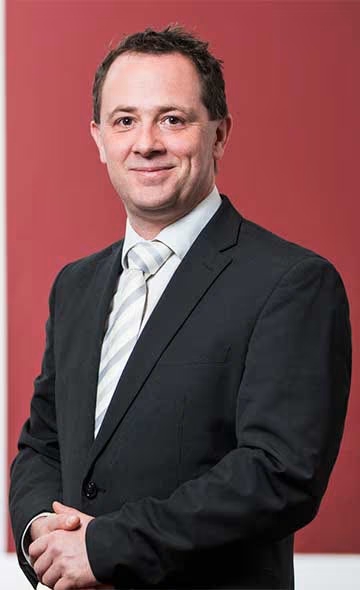
 Dr. Jens Gulow
 Spine Surgery


