









Bestclinicabroad
Connect with the world's Best Clinic and doctors at Best Clinic Abroad. Your well-being is our priority, with personalized care every step of the way.


Connect with the world's Best Clinic and doctors at Best Clinic Abroad. Your well-being is our priority, with personalized care every step of the way.



 Rudna Mała 600, 36-060, Rzeszow, Poland
Established in 2007, The Holy Family Hospital in Krefeld, Germany, is known for its dedication to patient-centered care and advanced medical services. The hospital specializes in various fields, including orthopedics, cardiology, neurology, general surgery, and rehabilitation, providing 24-hour medical and nursing care.
With a commitment to international healthcare standards, The Holy Family Hospital integrates modern medical technologies and minimally invasive surgical techniques. The hospital operates under stringent quality certifications, ensuring top-tier medical care while fostering a compassionate and inclusive environment.
Advanced Technology & Facilities
Key Services
The Holy Family Hospital remains a trusted name in healthcare, providing world-class treatment with a compassionate and professional approach, ensuring excellence in patient care.


 Stawki 2A, 00-193 Warszawa, Poland
Klinika Bocian, with over 30 years of experience, is a leading fertility clinic in Poland. The clinic offers a comprehensive range of medical services, including in vitro fertilization (IVF), semen analysis, hysteroscopy, and genetic tests. It integrates modern research with high-quality patient care, ensuring innovative treatment approaches and advanced medical technologies. With a multidisciplinary team of experts, the clinic delivers personalized and patient-centered healthcare to both national and international patients.
Advanced Technology & Facilities
Key Services at Klinika Bocian
Klinika Bocian is a pioneer in medical excellence, combining research-driven healthcare, innovative treatments, and compassionate patient care, making it a top destination for specialized medical services worldwide.
 PORY 78, 02-757 Warszawa, Poland
Carolina Medical Center, established in 1998, is one of Poland's leading private orthopedic clinics. It is recognized for its excellence in treating musculoskeletal injuries and diseases. In 2019, the center expanded its services by opening a branch in Gdańsk.
The center offers comprehensive care with access to specialist consultations, imaging tests (X-ray, ultrasound, CT, and MRI), laboratory tests, and rehabilitation services. Surgeries are performed using modern techniques, ensuring patients return to full fitness swiftly and safely.
Certifications and Accolades
Advanced Technology & Facilities
Key Services
 Bankowa 5/7, 58-500 Jelenia Góra, Poland
KCM Clinic in Poland is a top private hospital, established in 2006. It is well known for bariatric surgery, orthopedic surgery, spine surgery, and plastic surgery in Poland. Every year, thousands of international patients choose KCM for safe, high-quality, and affordable medical care abroad. The clinic has ISO 9001 certification and is a Center of Excellence with Medtronic, Johnson & Johnson, Allianz, and BUPA.
KCM offers modern facilities, hotel-standard rooms, full rehabilitation, and travel help for patients coming from outside Poland. Prices are clear, reviews are verified, and patients can easily book top doctors online. The clinic also trains surgeons worldwide with live surgery workshops, making it a trusted center for advanced medical care.
With support from Best Clinic Abroad, patients get access to treatment abroad, clinics worldwide, and the best doctors in Poland. KCM Clinic is one of the most trusted hospitals for international patients looking for safe surgery and reliable treatment in Europe.
Advanced Technology & Facilities:
Key Services:
KCM Clinic is dedicated to delivering patient-focused, minimally invasive care. Backed by ISO 9001 certification and partnerships with Medtronic, Johnson & Johnson, and global insurers, the clinic consistently achieves excellent outcomes. It continues to raise healthcare standards in Poland by integrating advanced medical technology with personalized treatment in a modern, comfortable environment.

 Domaniewska 39A, 02-672 Horizon, Warsaw, Poland
Medi Horizon Clinic is a modern hospital in the heart of Mokotów, Warsaw, offering comprehensive inpatient and outpatient services. As a multi-specialty medical facility, it provides advanced healthcare across various disciplines with a team of highly specialized doctors.
Medi Horizon Clinic is renowned for handling complex medical cases, ensuring that every patient receives the highest standard of treatment. The clinic offers various medical services, including Orthopedics, Neurosurgery, Plastic Surgery, and Laryngology. By integrating modern research with high-quality patient care, the clinic ensures innovative treatment approaches and advanced medical technologies. With a multidisciplinary team of experts, Medi Horizon Clinic delivers personalized and patient-centered healthcare to both national and international patients.
Advanced Technology & Facilities
Key Services at Medi Horizon Clinic
Medi Horizon Clinic is a pioneer in medical excellence, combining research-driven healthcare, innovative treatments, and compassionate patient care, making it a top destination for specialized medical services worldwide.
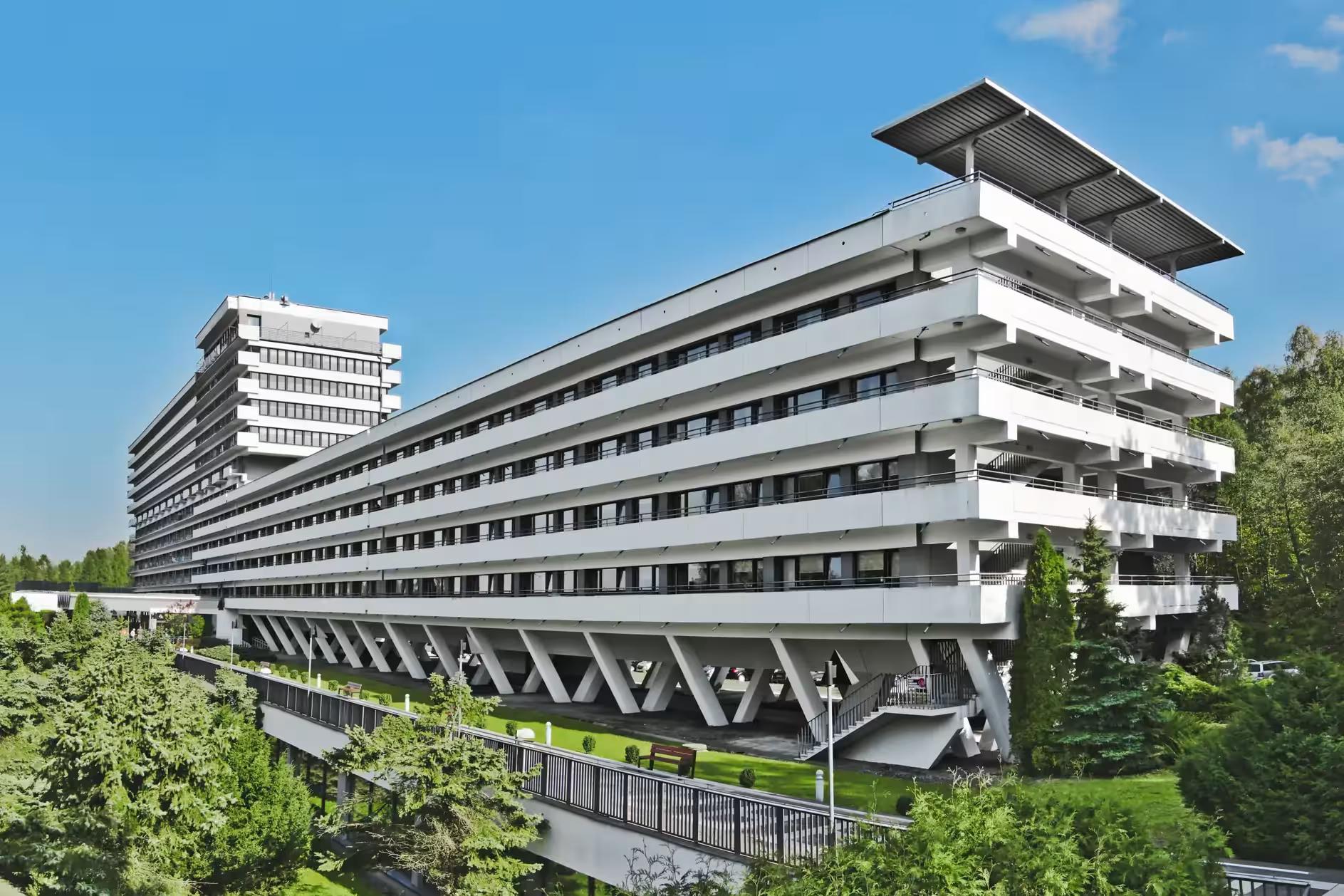 Sanatoryjna 1, 43-450 Ustroń, Poland
Uzdrowisko Ustron Medical Spa is one of the largest health resorts in Poland, located at Sanatoryjna 1, 43-450 Ustroń. Uzdrowisko Ustron Medical Spa is known for its comprehensive rehabilitation and wellness treatments, integrating natural therapy resources such as brine and therapeutic mud to enhance recovery. Situated in a scenic mountain region with a favorable climate, Uzdrowisko Ustron Medical Spa attracts patients from around the world seeking specialized medical care.
Key Highlights of Uzdrowisko Ustron Rehabilitation Center
Comprehensive Rehabilitation & Wellness Treatments
Top Medical Spa in Poland with Extensive Facilities
Expert Medical Team & High-Volume Patient Care
Specialized Rehabilitation Programs
Advanced Therapeutic Treatments for Holistic Recovery
International Patient Support & Comfortable Stay
The best rehabilitation center in Poland, Uzdrowisko Ustron Medical Spa, offers high-quality, evidence-based treatments for patients seeking recovery in a comfortable environment. With expert specialists, advanced therapies, and extensive wellness programs, the Uzdrowisko Ustron health resort remains a top choice for medical tourism in Poland.

Poland’s orthopedic care system operates within a highly regulated national healthcare framework that combines public oversight with advanced tertiary-care services. In recent years, orthopedic departments across the country have continued to modernize through the adoption of minimally invasive surgical techniques, computer-assisted joint replacement, advanced imaging protocols, and structured rehabilitation pathways aligned with international standards. These developments reflect ongoing regulatory updates and investments aimed at improving patient safety, procedural accuracy, and continuity of care rather than short-term innovation cycles.
Orthopedic specialists in Poland are trained through a structured and nationally regulated pathway. Physicians complete a full medical degree, followed by residency training in orthopedics and traumatology, with mandatory examinations and supervised clinical practice. Specialist certification and licensing are overseen by national medical authorities, ensuring alignment with European Union professional standards and continuous competency assessment. Many orthopedic surgeons are also affiliated with academic medical centers, contributing to teaching, clinical research, and participation in international conferences and Continuing Medical Education (CME) programs.
Hospitals providing orthopedic care commonly function as tertiary-care or university-affiliated institutions, equipped with modern operating theaters, digital radiology departments, and multidisciplinary rehabilitation units. In practice, patients exploring orthopedic treatment in Poland typically begin by gathering prior medical records such as imaging studies, operative reports, and clinical summaries. Hospitals often request these documents for preliminary review to understand clinical history and to determine whether an in-person evaluation is appropriate. Communication usually takes place through international patient departments, where administrative timelines, documentation needs, and coordination steps are explained in a structured manner.
For foreign patients, practical considerations are an important part of planning. Entry and visa requirements depend on nationality and length of stay, and patients commonly inquire about documentation needed for medical travel. Orthopedic procedures often require a postoperative stay of approximately 7–14 days to allow for early recovery, wound checks, and initial rehabilitation planning. While English is widely used in academic hospitals, interpretation services are commonly available when needed. Follow-up care planning is typically discussed in advance, as ongoing rehabilitation and monitoring may continue after returning home, requiring coordination with local healthcare providers.
Throughout Poland’s orthopedic system, national regulation, clinical governance, and patient safety frameworks are emphasized. Oversight by national health authorities, alignment with guidance from organizations such as the World Health Organization, and adherence to internationally recognized accreditation models help ensure that orthopedic care is delivered within a transparent, accountable, and evidence-based environment.
Orthopedic departments in Poland have increasingly integrated advanced medical technologies into routine clinical practice. Digital diagnostics, high-resolution MRI and CT imaging, and computer-assisted surgical planning are commonly used to improve diagnostic accuracy and procedural precision. Many hospitals utilize minimally invasive techniques for joint and spine procedures, aiming to reduce tissue disruption while maintaining strict adherence to infection control and anesthesia safety protocols.
Clinical practice is guided by international patient-safety standards and national regulatory requirements. Hospitals maintain structured protocols for imaging and radiology safety, sterile operating environments, perioperative anesthesia management, and postoperative monitoring. Treatment planning is individualized and based on comprehensive clinical evaluation, with informed consent forming a mandatory component of care. In practice, patients are often guided through these steps by hospital teams to ensure clarity around procedural scope, expected recovery timelines, and follow-up requirements.
Continuous professional development is a core component of orthopedic practice in Poland. Specialists regularly participate in CME activities, international congresses, and academic collaborations. These efforts support the responsible adoption of new techniques while maintaining consistency with established clinical governance frameworks. At a country level, Poland is widely recognized for its structured regulation and ongoing modernization of orthopedic services within a safety-focused healthcare system.
Joint Replacement Surgery (Hip and Knee)
Joint replacement surgery is performed to address severe degenerative joint conditions that impair mobility and function. In Poland, these procedures commonly involve preoperative digital imaging, templating software, and standardized implant selection protocols. Surgery is conducted under strict anesthesia and infection-control guidelines, with postoperative monitoring and early rehabilitation integrated into the care pathway.
Arthroscopic Sports Injury Surgery
Arthroscopic procedures are minimally invasive techniques used to diagnose and treat joint injuries, particularly involving the knee and shoulder. Hospitals typically employ high-definition cameras and precision instruments, allowing detailed visualization of joint structures. Clinical oversight includes imaging-based planning and postoperative functional assessment within a controlled rehabilitation framework.
Spine Surgery and Spinal Stabilization
Spine surgery addresses structural or degenerative conditions affecting the vertebral column. Polish orthopedic and neurosurgical teams commonly use advanced imaging, navigation systems, and standardized safety protocols. Multidisciplinary evaluation and postoperative neurological monitoring form an integral part of care delivery.
Trauma and Fracture Management
Orthopedic trauma services focus on the stabilization and repair of fractures and musculoskeletal injuries. Treatment planning relies on digital radiology and CT imaging to assess injury patterns. Surgical fixation techniques are selected based on clinical guidelines, with careful attention to infection prevention and functional recovery objectives.
Pediatric Orthopedic Procedures
Pediatric orthopedic care addresses congenital or developmental musculoskeletal conditions. Hospitals typically coordinate care through specialized pediatric units, employing age-appropriate imaging, anesthesia protocols, and long-term monitoring strategies aligned with national pediatric safety standards.
Orthopedic Rehabilitation and Musculoskeletal Care
Rehabilitation services support functional recovery following orthopedic procedures. Multidisciplinary teams commonly include orthopedic specialists, physiotherapists, and rehabilitation physicians. Programs are structured around individualized functional goals and ongoing clinical assessment.
University Clinical Center of the Medical University of Warsaw
Accreditations:
National oversight by the Polish Ministry of Health; university teaching hospital affiliation
Specializations:
Provides comprehensive orthopedic and trauma care, including joint reconstruction, spine surgery, and complex musculoskeletal disorders within an academic and research-oriented environment.
Jagiellonian University Hospital, Kraków
Accreditations:
National regulatory oversight; academic medical center affiliation
Specializations:
Offers tertiary orthopedic services, including trauma surgery, degenerative joint disease management, and multidisciplinary rehabilitation programs linked to university research initiatives.
Poznań University of Medical Sciences Clinical Hospital
Accreditations:
National health authority oversight; teaching hospital status
Specializations:
Focuses on orthopedic surgery, sports injuries, and musculoskeletal research, integrating advanced imaging and evidence-based clinical protocols.
University Hospital in Wrocław
Accreditations:
Ministry of Health supervision; university affiliation
Specializations:
Delivers orthopedic and trauma services, spine care, and reconstructive procedures supported by academic training and multidisciplinary collaboration.
Upper Silesian Medical Center, Katowice
Accreditations:
National regulatory oversight; teaching hospital association
Specializations:
Provides orthopedic trauma care, joint surgery, and rehabilitation services within a high-volume tertiary-care setting.
LUX MED Orthopedic Center, Warsaw
Accreditations:
National healthcare regulation; participation in international quality frameworks
Specializations:
Offers focused orthopedic services, including sports medicine and joint care, supported by modern diagnostic and rehabilitation infrastructure.
Medicover Hospital, Warsaw
Accreditations:
National oversight; international healthcare group standards
Specializations:
Provides orthopedic diagnostics, surgical care, and rehabilitation services within a structured, multidisciplinary clinical environment.
| Procedure | Estimated Cost |
| Knee Replacement | $8,000–$13,000 |
| Arthroscopic Knee Surgery | $2,500–$4,500 |
| Spine Surgery | $10,000–$18,000 |
| Fracture Fixation | $3,000–$6,000 |
| Hip Replacement | $9,000–$14,000 |
Note: The prices listed above are approximate, non-binding estimates provided for general informational purposes only. Actual treatment costs may vary based on individual clinical requirements, diagnostic findings, treatment complexity, materials or technology used, physician expertise, facility type, and duration of care. Final pricing is determined only after a professional evaluation by a licensed specialist or accredited medical institution.
Poland’s orthopedic care system is grounded in national healthcare regulation and institutional accountability. Hospitals operate under the supervision of the national Ministry of Health, with clear documentation standards, patient safety systems, and clinical governance structures. Specialist training pathways and licensing requirements support consistent quality of care across institutions.
The use of modern medical technology, including advanced imaging and minimally invasive techniques, is guided by evidence-based medicine and ethical medical tourism principles. Transparency in clinical documentation and informed consent processes helps patients understand each stage of care.
Practical considerations and limitations:
Foreign patients may encounter eligibility or administrative requirements related to visa status and length of stay. Post-treatment recovery periods may necessitate extended local accommodation, particularly for procedures requiring early rehabilitation. These factors are typically discussed during pre-arrival planning to support informed decision-making.
Best Clinic Abroad acts as a medical travel facilitator, helping patients understand and navigate non-clinical aspects of seeking orthopedic care in Poland. It does not provide medical treatment, diagnosis, or clinical recommendations, and it does not influence medical decisions made by licensed physicians or hospitals.
➤ Hospital coordination – Support communication and coordination with accredited hospitals
➤ Appointment support – Assist with scheduling and organizing consultations
➤ Communication assistance – Help patients understand next steps without replacing medical advice
➤ Logistical guidance – Offer non-clinical support related to travel planning
Patients who wish to explore options or clarify administrative steps can engage with Best Clinic Abroad to better understand how coordination typically works alongside professional medical care.
Do international patients need a visa for orthopedic treatment in Poland?
Visa requirements depend on your nationality and the expected length of stay. In practice, patients often confirm entry requirements in advance and prepare supporting medical documentation when applying, as regulations are governed by national immigration authorities.
Are orthopedic services in Poland suitable for international patients?
Many hospitals routinely work with international patients and have established administrative processes for record review, scheduling, and communication. Care is delivered within nationally regulated institutions and licensed specialist frameworks.
Is online consultation available before traveling for orthopedic treatment?
Online consultations are commonly arranged through accredited hospitals abroad, and Best Clinic Abroad can help facilitate access to such consultations by coordinating with hospital international patient departments.
Will language support be available during treatment in Poland?
English-speaking staff are commonly available in university and tertiary hospitals, and professional medical interpreters can usually be arranged when needed to support clear communication.
Disclaimer: This content is provided for informational purposes only and does not constitute medical advice. It reflects non-clinical observation of healthcare coordination processes and institutional practices in Poland and does not represent direct medical practice. Diagnosis and treatment decisions should always be made in consultation with a licensed medical specialist based on individual clinical evaluation.
Last updated: January 2026



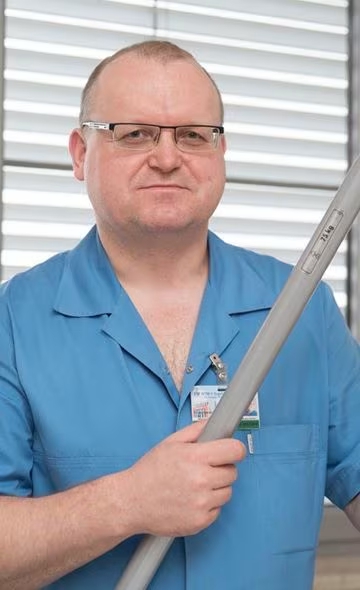




 Dr. Jacek Laskowski
 Orthopedic


