








Bestclinicabroad
Connect with the world's Best Clinic and doctors at Best Clinic Abroad. Your well-being is our priority, with personalized care every step of the way.


Connect with the world's Best Clinic and doctors at Best Clinic Abroad. Your well-being is our priority, with personalized care every step of the way.



 South Korea, Seoul, 892 Dongnam-ro, Sangil-dong, Gangdong-gu
Established in 1971, Kyung Hee University Hospital is one of South Korea's premier medical centers, renowned for its aim of fostering a disease-free environment. The hospital uniquely combines Eastern and Western medical approaches, making it the only center globally to integrate these methods with dental care. With its advanced infrastructure, Kyung Hee University Hospital handles over a million patients annually, including more than 1,000 international visitors.
Advanced Technology & Facilities
Key Services
Affiliated with the Korean Ministry of Health and the World Health Organization, Kyung Hee University Hospital combines advanced technology, skilled professionals, and outstanding care, solidifying its reputation as a leading global medical center.


 South Korea, Seoul, 81 Irwon-ro, Irwon-dong, Gangnam-gu, Seoul, South Korea Service language
Samsung Medical Center, founded in 1994, is a leading multidisciplinary hospital in Seoul and one of the best hospitals in South Korea, recognized for its commitment to medical advancement and patient-centered care. Guided by the vision of "Happiness through Innovation," Samsung Medical Center has gained international recognition and continues to expand its services. With plans to establish a medical college, the center is dedicated to shaping the future of healthcare.
Handling an average of 210 emergency cases daily, Samsung Medical Center accommodates up to 2,000 patients at a time, supported by a team of over 1,300 doctors and professors among its 7,000 healthcare professionals. Samsung Medical Center Seoul integrates digital solutions with medical expertise, ensuring high-quality treatment. Samsung Medical Center collaborates with over 150 hospitals and 2,520 cooperative treatment clinics, backed by 4,294 partner doctors, strengthening its extensive referral network.
Key Features of Samsung Medical Center
Comprehensive Medical Services
Excellence in Cancer Treatment
Advanced Cardiac and Vascular Care
Global Recognition & Awards
Technological Advancements & Future Vision
Samsung Medical Center Seoul stands as a global hub for medical treatment in South Korea, attracting patients from 167 countries. With its expertise in oncology, cardiology, and multidisciplinary care, Samsung Medical Center continues to set benchmarks in patient care and research. Positive reviews highlight its high standard of medical care, commitment to innovation, and patient-friendly services, making Samsung Medical Center a preferred choice for both local and international patients.
 South Korea, Seoul, Daesagwan-ro, 59, Hannam-dong, Yongsan-gu
Soon Chun Hyang University Hospital is a leading medical facility and the flagship branch of the Soon Chun Hyang University Medical Center Network. Established as the first Korea Medical Corporation, it aims to promote wellness and respect for humanity. The hospital network is renowned globally, treating over 100,000 patients in the last decade and earning the title of one of the best healthcare centers in South Korea and the world.
Advanced Technology & Facilities
Key Services
 South Korea, Seoul, 29, Saemunan-ro, Jongno-gu
Founded in 1968 in Seoul, Kangbuk Samsung Hospital (KBSMC) is among South Korea’s best hospitals, offering advanced medical technology and comprehensive patient care. Kangbuk Samsung Hospital focuses on medical research, public health initiatives, and patient-centered care, ensuring top-quality services for both local and international patients. Over the years, Kangbuk Samsung Hospital's highly skilled specialized medical teams have continuously worked to combat various diseases through innovative healthcare solutions, contributing to a healthier society.
Key Aspects of Kangbuk Samsung Hospital
Comprehensive Medical Services
Excellence in Cancer Treatment
Smart Hospital with Advanced Medical Technology
Commitment to Patient-Centered Care & International Patients
Healthcare Through Social Responsibility
With a strong focus on medical research, innovative healthcare solutions, and patient-centered care, Kangbuk Samsung Hospital remains a top healthcare provider in South Korea. Combining advanced medical technology with a multidisciplinary approach, KBSMC continues to deliver high-quality treatments while ensuring the best possible outcomes for all patients.
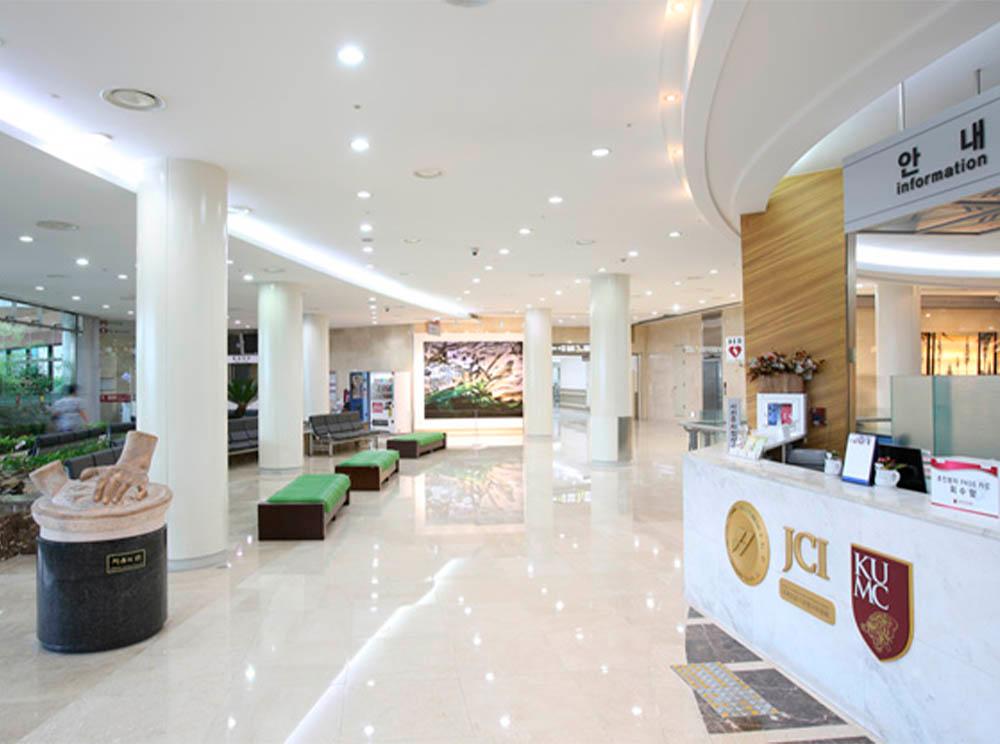 South Korea, Seoul, Seongbuk-gu, Anam-dong, 고려대로 73
Established as a leading multidisciplinary medical center, Korea University Anam Hospital is a prominent healthcare institution in South Korea. Since its expansion with a new building in 2005, the hospital has strengthened its reputation internationally. Known for patient-centered care, the hospital serves both local and international patients with excellence across 42 specialized departments. Korea University Anam Hospital is also recognized for its eco-friendly initiatives and state-of-the-art medical technologies.
Advanced Technology & Facilities
Key Services
With its commitment to excellence and innovation, Korea University Anam Hospital continues to stand out as a premier healthcare provider in South Korea.
 South Korea, 26, Daesingongwon-ro, Seo-gu, Busan
Established in March 1990, Dong-A University Hospital is a renowned multispecialty medical center in Busan, South Korea. The hospital is committed to providing high-quality healthcare services, integrating advanced medical technologies with a team of highly skilled specialists. Dong-A University Hospital accommodates over 1,000 inpatient beds and operates 30 specialized centers along with 36 clinical departments, ensuring comprehensive medical care across various fields.
Dong-A University Hospital is widely recognized for its commitment to innovation and excellence in medical treatment. The hospital actively engages in international medical collaborations and has provided healthcare services at major global events like the Asian Games and the FIFA World Cup. Its team of more than 1,700 medical professionals undergoes advanced training at top institutions worldwide, ensuring the highest standards of patient care.
Dong-A University Hospital is strategically located in Southern Busan, surrounded by numerous cafes, restaurants, and shops. Its convenient access—within an hour’s drive from the city center and Gimhae International Airport—ensures seamless travel for both local and international patients. The hospital’s dedication to medical excellence and patient-centered care continues to solidify its reputation as a leading healthcare provider in South Korea and beyond.






According to the World Health Organization (WHO), cancer and blood-related disorders are among the leading causes of morbidity and mortality worldwide, with millions of new cases diagnosed each year. Early detection and advanced treatment have significantly improved patient outcomes, and countries like South Korea have made remarkable progress in this field. Seoul, known for its world-class healthcare system and medical innovation, is home to some of Asia’s most advanced hematology-oncology clinics. These institutions provide advanced diagnostics, personalized treatment plans, and the latest therapies for both cancer and complex blood disorders.
Seoul’s hematology-oncology centers are equipped with advanced laboratories, genetic testing facilities, and precision medicine programs. Patients benefit from multidisciplinary care involving oncologists, hematologists, radiologists, and transplant specialists who work together to ensure effective and comprehensive treatment. The use of molecular diagnostics, targeted therapy, immunotherapy, and stem cell transplantation makes Seoul a leading destination for patients seeking comprehensive cancer and blood disease care.
Seoul stands at the forefront of cancer research and hematological innovations, offering patients the best combination of technology, expertise, and compassionate care.
➤ Globally trained oncologists and hematologists – Many specialists in Seoul have trained or practiced in the United States, Europe, or Japan. Their expertise in advanced oncology and hematology ensures high success rates and world-class care.
➤ Advanced treatment technology – Clinics in Seoul use next-generation sequencing (NGS), PET-CT, MRI, and advanced radiotherapy equipment to provide precise diagnosis and targeted treatment. Robotic surgery and minimally invasive procedures reduce recovery time and complications.
➤ Comprehensive range of treatments – Patients in Seoul can access chemotherapy, radiotherapy, immunotherapy, bone marrow and stem cell transplantation, and targeted therapies, all under one roof.
➤ Personalized and integrated care – Multidisciplinary teams create individualized treatment plans that address the unique genetic and biological characteristics of each patient’s disease, enhancing effectiveness and safety.
➤ Affordable and transparent costs – Compared to Western nations, the cost of hematology-oncology treatments in Seoul is significantly lower while maintaining the same international quality standards. Many hospitals offer detailed, all-inclusive packages for cancer and blood disorder treatments.
➤ Strong support for international patients – Leading hospitals provide multilingual assistance, travel coordination, and continuous patient support to make medical tourism comfortable and worry-free.
Asan Medical Center
Asan Medical Center has one of South Korea’s most advanced hematology-oncology departments, offering a full range of cancer and blood disorder treatments.
Key Specialties/Services: Chemotherapy, immunotherapy, stem cell transplantation, leukemia and lymphoma treatment, and solid tumor management.
Reputation: Recognized internationally for research excellence and high success rates in complex oncology cases.
Seoul National University Hospital (SNUH)
SNUH is a global leader in cancer care and hematology, combining advanced research with patient-focused treatment.
Key Specialties/Services: Blood cancer management, bone marrow transplantation, targeted therapy, radiation oncology, and molecular diagnostics.
Reputation: JCI-accredited, renowned for its academic and clinical excellence in oncology and hematology.
Samsung Medical Center Cancer Hospital
This specialized cancer center offers advanced facilities and innovative therapies for both adult and pediatric patients.
Key Specialties/Services: Immunotherapy, precision oncology, CAR-T cell therapy, hematologic malignancy treatment, and radiation therapy.
Reputation: Internationally recognized for personalized care and advanced medical technologies.
Severance Hospital Cancer Center (Yonsei University Health System)
Severance Hospital’s Cancer Center is one of Asia’s oldest and most respected institutions for cancer and hematologic diseases.
Key Specialties/Services: Chemotherapy, surgical oncology, radiology, and stem cell transplantation.
Reputation: JCI-accredited, known for comprehensive cancer management and patient-centered service.
St. Mary’s Hospital (Catholic University of Korea)
St. Mary’s Hospital is highly regarded for its bone marrow transplantation and hematology research programs.
Key Specialties/Services: Leukemia treatment, lymphoma management, bone marrow transplantation, and immune therapy.
Reputation: A pioneer in stem cell therapy and one of the most trusted hospitals for hematologic care in South Korea.
Finding the right hematology-oncology clinic abroad can be a challenge for patients and their families. Best Clinic Abroad simplifies the process by connecting patients with Seoul’s most reputable and accredited hospitals offering advanced cancer and blood disorder treatments.
With Best Clinic Abroad, patients receive:
● Access to internationally accredited cancer and hematology centers in Seoul.
● Free pre-travel consultations and transparent cost estimates for diagnosis and treatment.
● Comparison of treatment plans for chemotherapy, immunotherapy, radiotherapy, and stem cell transplantation.
● Assistance with medical visa, accommodation, and travel arrangements.
● Multilingual patient coordinators ensuring smooth communication during the entire treatment journey.
● Guidance on post-treatment care, rehabilitation, and follow-up programs.
● Dedicated support from the first consultation until complete recovery.
By choosing Best Clinic Abroad, patients benefit from the highest standards of medical care, transparent pricing, and compassionate service. Seoul’s combination of advanced oncology research, experienced specialists, and patient-oriented care makes it one of the best destinations globally for hematology and oncology treatments.

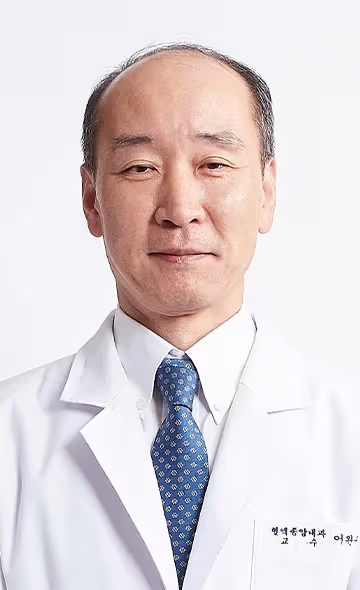
 Dr. Yoon Sung-Soo
 Hematology Oncology


