









Bestclinicabroad
Connect with the world's Best Clinic and doctors at Best Clinic Abroad. Your well-being is our priority, with personalized care every step of the way.


Connect with the world's Best Clinic and doctors at Best Clinic Abroad. Your well-being is our priority, with personalized care every step of the way.



 Spain, Madrid, Plaza del Conde del Valle de Suchil, 16 - 28015 Madrid
Founded in 1990, HM Madrid University Hospital, a leading private hospital in Madrid, is a well-established general medical-surgical hospital for adults, located in the Chamberí neighborhood. As the flagship facility of HM Madrid Hospital, it has continuously improved its healthcare services in Madrid, providing high-quality treatments across multiple specialties. HM Madrid University Hospital is dedicated to patient safety, multidisciplinary collaboration, and ongoing medical advancements, making it one of the best hospitals in Madrid for comprehensive care.
Comprehensive Medical Services
Hospital Infrastructure & Facilities
Outpatient Care & Specialized Centers
Advanced Diagnostic & Imaging Services
Over the years, HM Madrid Hospital has built a strong reputation in private healthcare in Spain for its dedication to patient care, medical education, and innovation. With its accessible and effective healthcare services, HM Madrid University Hospital is a preferred choice for both local and international patients seeking medical tourism in Spain.


 Spain, Barcelona, Plaza Alfonso Comín, 5 08023
Hospital Quirónsalud Barcelona is one of Spain’s most prestigious private healthcare institutions. It is known for its modern facilities, highly qualified medical professionals, and commitment to personalized, patient-centered care. With over 70 years of experience, the hospital continuously updates its technology and services to provide cutting-edge treatments in various specialties, including oncology, cardiology, neurosurgery, and orthopedics. International patients benefit from multilingual support and partnerships with leading global insurance providers, ensuring seamless access to top-tier medical care.
Advanced Technology & Facilities
Key Services at Hospital Quirónsalud Barcelona
Hospital Quirónsalud Barcelona is a benchmark in medical excellence, research-driven healthcare, and cutting-edge treatments, making it a preferred destination for patients from around the world seeking high-quality, personalized medical care.

 Spain, Madrid, Avenida de los Reyes Catolicos, 2 Madrid 28040 Spain
Fundación Jiménez Díaz University Hospital, established in 1935 in Madrid, Spain, is one of the best hospitals in Madrid Spain, known for its excellence in patient care, research, and medical education. Founded by Dr. Carlos Jiménez Díaz, Fundación Jiménez Díaz University Hospital has evolved to become a benchmark in Spanish healthcare, providing comprehensive services while integrating medical advancements and digital transformation.
Fundación Jiménez Díaz University Hospital is part of Quirónsalud Hospitals Spain, a leading private healthcare group with 47 hospitals across the country. With a total area of 72,000 square meters, Jiménez Díaz Hospital Madrid employs around 3,000 professionals, including doctors, nurses, and healthcare staff. Fundación Jiménez Díaz University Hospital is equipped with 18 operating rooms, 677 inpatient beds, and 212 consulting rooms, offering specialized treatments for both local and international patients.
Key Features of Fundación Jiménez Díaz University Hospital
Fundación Jiménez Díaz University Hospital stands as a leading healthcare institution in Madrid, Spain, providing advanced medical treatments with a strong focus on patient care, research, and innovation. As part of Quirónsalud hospitals in Spain, Fundación Jiménez Díaz University Hospital continues to set high standards in private healthcare, making it one of the top-rated hospitals in Madrid and a preferred choice for local and international patients.
 Spain, Barcelona, Carrer de Viladomat, 288, 08029 Barcelona, Spain
Established between the 1960s and 1970s, Hospital Universitari Sagrat Cor has evolved into a tertiary care and referral teaching hospital. It is part of the Xarxa Hospitalària d'Utilització Pública (XHUP) since 1985 and has been managed by Quirónsalud since 2011.
As Barcelona's largest privately owned hospital, it provides advanced healthcare facilities and a team of over 1,100 highly specialized professionals across multiple disciplines.
The hospital offers a comprehensive range of medical services, including oncology, neurology, orthopedics, cardiology, and general surgery. Its focus on integrating modern research with high-quality patient care ensures innovative treatment approaches and advanced medical technologies. Its multidisciplinary team delivers personalized, patient-centered healthcare to national and international patients.
Advanced Technology & Facilities
Key Services at Hospital Universitari Sagrat Cor
Hospital Universitari Sagrat Cor is a pioneer in medical excellence, combining research-driven healthcare, innovative treatments, and compassionate patient care, making it a top destination for specialized medical services worldwide.
 Spain, Barcelona, Carrer de Vilana, 12, 08022
Quirónsalud Teknon Hospital, located in Barcelona, Spain, is one of the best hospitals in Spain and a leading private healthcare institution. As part of Quirónsalud, the largest hospital network in the country and a major player in top healthcare providers in Europe following its merger with Fresenius-Helios, Teknon is recognized for its dedication to medical excellence and international patient care in Spain.
Each year, the hospital welcomes over 6,000 patients from around the world seeking advanced medical treatments in Spain across various specialties. Quirónsalud Teknon Hospital is known for its sophisticated diagnostic technologies, multidisciplinary expertise, and comprehensive patient support. The hospital provides multilingual hospital services in Europe, a 24/7 contact center, and individualized treatment plans to ensure a smooth and efficient healthcare experience.
Key Features of Quirónsalud Teknon Hospital
 Spain, Torrevieja, Partida de la Loma, s/n, 03184
Hospital Quironsalud Torrevieja is a multidisciplinary healthcare facility renowned for its excellent medical services and patient care. Situated in the beautiful coastal city of Torrevieja, the hospital spans an impressive 22,000 m², housing two interconnected buildings with advanced infrastructure. It offers 120 private rooms, including four suites with lounges, an advanced ICU, and specialized rooms for immunocompromised patients.
Hospital Quironsalud Torrevieja provides comprehensive services across various medical specialties, including oncology, cardiology, and general surgery. Its advanced facilities include five operating rooms, an endoscopy suite, a surgical day hospital, and a cancer day hospital. Equipped with modern technology and staffed by highly qualified professionals, the hospital ensures personalized and precise care.
Advanced Technology & Facilities
Key Services
Hospital Quironsalud Torrevieja also offers excellent connectivity, being just 40 km from Alicante-Elche Miguel Hernández Airport, with convenient parking, taxi services, and bus connections. Its ideal location, coupled with exceptional healthcare, makes it a popular choice for both local and international patients seeking top-quality medical treatment.
 Spain, Valencia, Avda. Blasco Ibañez, 14 - (València) 46010
Quirónsalud Valencia Hospital is a premier private healthcare facility in Spain, recognized with multiple TOP 20 awards for its exceptional management and quality of care. The hospital offers a wide array of medical and surgical specialties, ensuring comprehensive patient care. With a team of esteemed professionals and a highly qualified nursing staff experienced in managing complex conditions, the hospital is dedicated to restoring and maintaining patient health. Patient care is a top priority, with personalized and compassionate services to provide a comfortable and satisfactory experience for patients and their families.
Advanced Technology & Facilities
Key Services at Quirónsalud Valencia Hospital
Quirónsalud Valencia Hospital is committed to medical excellence, combining advanced technology, a multidisciplinary approach, and compassionate care, making it a preferred destination for specialized medical services.
 Spain, Madrid, Calle de la Masó, 38 28034
Established in 1984, Hospital Ruber Internacional Madrid is a renowned multispecialty hospital in Spain, recognized for its advanced medical treatments and patient-centered care. Hospital Ruber Internacional has gained global recognition due to its modern healthcare facilities, highly skilled specialists, and continuous advancements in medical technology. As a benchmark of quality in Spain, Hospital Ruber Internacional provides comprehensive care across multiple specialties, including neurosurgery, oncology, spine surgery, and rehabilitation services.
With a team of over 800 healthcare professionals, including doctors, technicians, nurses, and assistants, Ruber Internacional Hospital ensures that patients receive top-quality care. Known as a pioneer in Spain for introducing innovative heart surgeries, eye surgeries, and robotic-assisted procedures, Hospital Ruber Internacional has established itself as a leading private healthcare provider in Madrid. The implementation of an integrated hospital model enhances efficiency and fosters interdisciplinary collaboration among medical experts, resulting in improved patient outcomes.
Key Features of Hospital Ruber Internacional
Medical Excellence and Specialties
Pioneering Medical Innovations
Comprehensive Medical Services
International Recognition and Certifications
Hospital Ruber Internacional Madrid stands as a leader in private healthcare in Spain, offering a wide range of advanced medical treatments. With its multispecialty services, pioneering medical technology, and internationally recognized quality standards, the hospital continues to attract patients from around the world. The Hospital Ruber Internacional's commitment to medical excellence, patient safety, and innovative healthcare solutions makes it a preferred choice for international patients seeking medical treatments in Spain.
 Spain, Barcelona, Carrer de Sabino Arana, 5, 19, 08028
Dexeus University Hospital employs over 450 medical professionals, providing comprehensive inpatient and outpatient services. It is a leading medical institution with advanced healthcare facilities and a team of highly specialized doctors across multiple disciplines.
Dexeus University Hospital, part of the Quirónsalud group, is an esteemed academic teaching hospital in Barcelona. The hospital offers a comprehensive range of medical services, including oncology, cardiology, orthopedics, and pediatrics. It integrates modern research with high-quality patient care, ensuring innovative treatment approaches and advanced medical technologies. With a multidisciplinary team of experts, the hospital delivers personalized and patient-centered healthcare to both national and international patients.
Advanced Technology & Facilities
Key Services at Dexeus University Hospital
Dexeus University Hospital is a pioneer in medical excellence, combining research-driven healthcare, innovative treatments, and compassionate patient care, making it a top destination for specialized medical services worldwide.
 Spain, Madrid, C. de Arturo Soria, 103, 105, 28043
Vithas Madrid Arturo Soria Hospital is a key part of Grupo Vithas, one of Spain’s largest private hospital networks, known for delivering advanced medical care in Spain. With over 40 years of experience, Vithas Madrid Arturo Soria Hospital is the top private healthcare provider in Spain and has built a strong reputation for high-quality healthcare services across multiple specialties. Vithas Madrid Arturo Soria Hospital prioritizes patient-centered care, ensuring that both local and international patients receive personalized attention from highly experienced specialists.
Key Aspects of Vithas Madrid Arturo Soria Hospital
A Leading Private Healthcare Network
Prestigious Recognition & Commitment to Excellence
Comprehensive Medical Infrastructure
Advanced Medical Technology
Dedicated Patient Support for Medical Tourism
Vithas Madrid Arturo Soria Hospital is a leading Spanish hospital network committed to high-quality healthcare, patient experience, and research. As a trusted name in private healthcare services in Madrid, Vithas Madrid Arturo Soria Hospital continues to serve both local and international patients with modern medical technology in Spain.







Spain has developed a highly regulated and continuously modernized healthcare system that supports advanced neurology and neurosurgery services across both public and private sectors. Oversight by the Spanish Ministry of Health, in coordination with regional health authorities, establishes uniform standards for patient safety, clinical governance, and professional accountability nationwide. In recent years, neurological care in Spain has integrated contemporary care models such as multidisciplinary case review boards, digitally integrated patient records, and advanced neuroimaging platforms that support precise diagnosis and treatment planning.
Specialist training in neurology and neurosurgery in Spain follows a structured, nationally regulated pathway. Physicians complete medical degrees accredited under European Union frameworks, followed by competitive residency programs in recognized teaching hospitals. These programs emphasize supervised clinical practice, exposure to complex neurological conditions, and adherence to evidence-based protocols. Licensing and ongoing practice are regulated by national medical councils and regional authorities, with mandatory continuing professional development to maintain certification and clinical competency.
Hospitals providing neurology and neurosurgery services in Spain typically operate as tertiary-care centers with access to intensive care units, advanced operating theaters, and specialized neuro-rehabilitation services. Many are affiliated with universities or academic research institutions, supporting clinical research, postgraduate training, and participation in international studies. Modern infrastructure often includes intraoperative imaging, neuronavigation systems, and integrated stroke units designed to align with European and international clinical governance standards.
In practice, international patients exploring neurological or neurosurgical treatment in Spain often begin by reviewing publicly available information about accredited hospitals and specialist departments. Hospitals commonly request prior medical records such as imaging studies, neurology reports, operative notes, and medication summaries to support an initial clinical review. Communication usually takes place through international patient departments that coordinate document review, clarify administrative requirements, and outline general care pathways without offering medical opinions before specialist evaluation.
For foreign patients, several practical considerations are commonly addressed early in the planning process. Entry into Spain for medical purposes may require a Schengen medical visa, depending on nationality and length of stay, and supporting documentation from the treating hospital is often requested by consular authorities. Postoperative stays for neurosurgical procedures typically range from 7 to 14 days or longer, depending on clinical monitoring needs and rehabilitation planning. While many hospitals offer services in English, interpretation support is often arranged for complex consultations to ensure clarity. Planning for follow-up care after returning home is an important part of discussions, as continuity of neurological care commonly involves coordination with local healthcare providers.
Neurology and neurosurgery departments in Spain have progressively adopted advanced diagnostic and therapeutic technologies aligned with international clinical standards. Contemporary practice commonly incorporates high-resolution MRI, functional neuroimaging, digital electroencephalography, and advanced neurophysiological monitoring systems to support diagnostic accuracy. These tools are used within structured clinical protocols designed to minimize diagnostic variability and support informed clinical decision-making.
Hospitals follow strict patient safety frameworks covering infection control, imaging and radiology safety, anesthesia protocols, and perioperative monitoring. Neurosurgical operating rooms are often equipped with neuronavigation systems, intraoperative imaging, and precision instrumentation that support minimally invasive approaches where clinically appropriate. Post-treatment monitoring typically involves coordinated care between neurology, neurosurgery, intensive care, and rehabilitation teams to ensure structured observation and documentation.
Continuous professional development is an integral part of specialist practice in Spain. Neurologists and neurosurgeons regularly participate in Continuing Medical Education (CME) programs, international conferences, and collaborative research initiatives. Treatment plans are individualized based on professional evaluation, and informed consent is a mandatory component of care delivery. Final clinical decisions are made exclusively by licensed specialists within accredited institutions, reflecting Spain’s recognition for structured regulation, innovation, and patient safety in neurological care.
Brain Tumor Surgery
Brain tumor surgery focuses on the diagnosis and surgical management of benign and malignant intracranial lesions. Procedures are planned using advanced neuroimaging such as MRI, functional MRI, and CT scans to map tumor location and surrounding brain structures. Intraoperative neuronavigation and neuro-monitoring are commonly used to support precision and safety. Clinical oversight includes multidisciplinary review involving neurology, oncology, radiology, and pathology teams.
Spine Surgery for Neurological Conditions
Spine surgery addresses neurological impairment caused by spinal cord or nerve root compression. Diagnostic planning typically involves MRI, CT imaging, and neurophysiological assessments. Surgical techniques may include decompression or stabilization procedures performed under strict anesthesia and infection-control protocols. Oversight is provided by neurosurgical teams working in coordination with orthopedic, radiology, and rehabilitation specialists.
Epilepsy Surgery
Epilepsy surgery is considered for select neurological conditions following a comprehensive diagnostic evaluation. Planning commonly includes prolonged EEG monitoring, high-resolution imaging, and functional brain mapping. Procedures are performed within specialized epilepsy units with defined safety protocols and post-procedural monitoring. Clinical objectives focus on neurological function management rather than outcome guarantees.
Cerebrovascular Surgery
Cerebrovascular surgery addresses conditions affecting brain blood vessels, such as aneurysms or vascular malformations. Diagnostic workups often involve angiography, CT, and MRI imaging. Surgical or endovascular approaches are conducted under strict radiological and anesthesia safety standards, with postoperative monitoring in specialized neuro-intensive care settings.
Functional Neurosurgery
Functional neurosurgery involves procedures targeting neurological disorders that affect movement or neural signaling. Planning includes detailed neurological assessment and imaging studies to identify target areas. Advanced technologies such as stereotactic systems are used to support procedural accuracy, with multidisciplinary oversight and structured follow-up protocols.
Peripheral Nerve Surgery
Peripheral nerve surgery focuses on conditions affecting nerves outside the brain and spinal cord. Diagnostic methods typically include nerve conduction studies, imaging, and clinical examination. Surgical interventions are planned to address nerve compression or injury, following standardized safety and infection-control guidelines within accredited surgical facilities.
Hospital Clínic de Barcelona
Accreditations:
Joint Commission International (JCI)
Spanish Ministry of Health oversight
Affiliated with the University of Barcelona
Specializations:
Provides comprehensive neurology and neurosurgery services, including brain and spine disorders, epilepsy management, and cerebrovascular care within a tertiary academic environment supported by research and multidisciplinary collaboration.
Hospital Universitario La Paz, Madrid
Accreditations:
Spanish Ministry of Health oversight
Affiliated with Athe utonomous University of Madrid
Specializations:
Offers advanced neurological and neurosurgical care with subspecialties in pediatric neurosurgery, stroke management, and neuro-oncology, supported by academic research and clinical training programs.
Hospital Universitari Vall d’Hebron, Barcelona
Accreditations:
JCI
Catalan Health Service regulation
University-affiliated teaching hospital
Specializations:
Known for multidisciplinary neurology and neurosurgery services, including complex spine surgery, epilepsy units, and neurovascular programs integrated with research institutes.
Hospital Universitario 12 de Octubre, Madrid
Accreditations:
Spanish Ministry of Health oversight
Teaching hospital affiliation
Specializations:
Provides tertiary-level neurological care, neurosurgical oncology, and functional neurosurgery within a structured academic and research-focused environment.
Clínica Universidad de Navarra, Pamplona
Accreditations:
JCI
Spanish Ministry of Health oversight
University-affiliated institution
Specializations:
Offers neurology and neurosurgery services with emphasis on advanced imaging, surgical planning, and integrated rehabilitation services within an academic medical framework.
Hospital Quirónsalud Madrid
Accreditations:
JCI
Spanish Ministry of Health oversight
Specializations:
Delivers specialized neurosurgical and neurological care including spine surgery and neurovascular procedures, supported by modern infrastructure and multidisciplinary teams.
Hospital Sant Pau, Barcelona
Accreditations:
Spanish Ministry of Health oversight
University-affiliated teaching hospital
Specializations:
Provides neurological and neurosurgical services with focus on stroke care, neurodegenerative disorders, and academic research integration.
| Procedure Type | Estimated Cost |
| Brain Tumor Surgery | $20,000–$45,000 |
| Spine Neurosurgery | $15,000–$35,000 |
| Epilepsy Surgery | $18,000–$40,000 |
| Cerebrovascular Surgery | $22,000–$50,000 |
| Functional Neurosurgery | $25,000–$55,000 |
| Peripheral Nerve Surgery | $8,000–$18,000 |
Note: The prices listed above are approximate, non-binding estimates provided for general informational purposes only. Actual treatment costs may vary based on individual clinical requirements, diagnostic findings, treatment complexity, materials or technology used, physician expertise, facility type, and duration of care. Final pricing is determined only after a professional evaluation by a licensed specialist or accredited medical institution.
Spain’s healthcare system operates under nationally enforced regulations that prioritize patient safety, clinical transparency, and professional accountability. Neurology and neurosurgery services are delivered within frameworks aligned with European Union health directives and international clinical governance principles referenced by organizations such as the World Health Organization. These systems emphasize standardized documentation, informed consent, and ethical care delivery.
Specialist training standards are clearly defined and monitored, ensuring that neurologists and neurosurgeons practice within regulated scopes and maintain competency through continuous education. Hospitals are subject to regular audits, quality reporting, and safety reviews, supporting institutional accountability and consistent care delivery. Advanced medical technologies are introduced through regulated procurement and evaluation processes, contributing to diagnostic accuracy and procedural safety.
Spain also maintains structured approaches to medical tourism oversight. Government bodies and healthcare institutions guide international patient pathways, data protection, and administrative transparency. However, foreign patients may encounter certain limitations, such as eligibility criteria for specific public services, required postoperative observation periods, or the need for extended stays for rehabilitation. These practical considerations often influence care planning and underscore the importance of early administrative coordination and follow-up arrangements.
Best Clinic Abroad acts as a medical travel facilitator, helping patients understand how to navigate international healthcare systems without providing medical care. It does not diagnose conditions, recommend treatments, or influence clinical decisions, which remain solely with licensed physicians and accredited hospitals. Its role focuses on non-clinical coordination and information support.
➤ Hospital coordination – Support communication and coordination with accredited hospitals
➤ Appointment support – Assist with scheduling and organizing consultations
➤ Communication assistance – Help patients understand next steps without replacing medical advice
➤ Logistical guidance – Offer non-clinical support related to travel planning
Patients who wish to explore how coordination and administrative guidance may work in practice can connect with Best Clinic Abroad to better understand available next steps.
Is neurology and neurosurgery treatment in Spain regulated for international patients?
Yes. Neurology and neurosurgery services in Spain are regulated under national healthcare laws and European Union standards. When you seek treatment as an international patient, care is delivered by licensed specialists in accredited hospitals, with clinical governance and patient safety frameworks overseen by the Spanish Ministry of Health and regional authorities.
Do hospitals in Spain offer visa assistance and support for international neurology patients?
Hospitals commonly provide documentation needed for medical visa applications, such as treatment confirmation letters or appointment details. While hospitals and facilitators may help you understand required paperwork, visa approval decisions are made by consular authorities, and timelines can vary depending on your country of residence.
Can I have an online consultation before traveling, and how does it work?
In many cases, an online consultation or preliminary case review can be arranged. This is typically coordinated through Best Clinic Abroad as a medical travel facilitator, which helps share your medical records with the hospital’s international patient department so a licensed specialist can review them and advise on next steps.
Will language or communication be a challenge during treatment in Spain?
Many hospitals have English-speaking medical staff, and professional medical interpreters are often available when needed. If you are concerned about communication, this is usually discussed early with the hospital’s international patient team to ensure consultations and consent processes are clearly understood.
Disclaimer: This content is provided for informational purposes only and does not constitute medical advice. It reflects non-clinical observation of healthcare coordination processes and institutional practices in Spain and does not represent direct medical practice. Diagnosis and treatment decisions should always be made in consultation with a licensed medical specialist based on individual clinical evaluation.
Last updated: January 2026

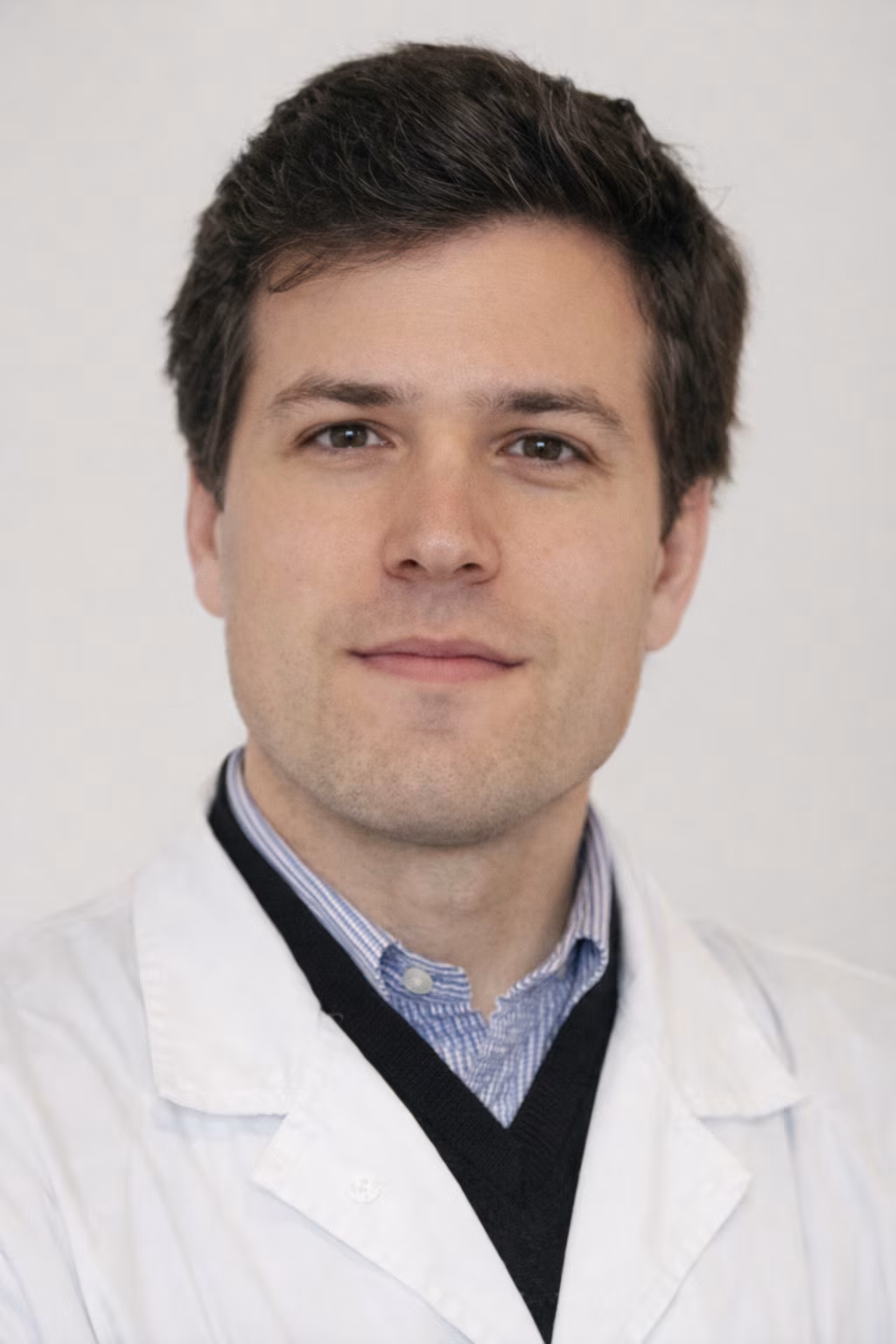
 Dr. Andres Morales Morales La Madrid
 Neurology & Neurosurgery
.avif&w=3840&q=75)


