









Bestclinicabroad
Connect with the world's Best Clinic and doctors at Best Clinic Abroad. Your well-being is our priority, with personalized care every step of the way.


Connect with the world's Best Clinic and doctors at Best Clinic Abroad. Your well-being is our priority, with personalized care every step of the way.



 Thailand, Pattaya, 301 หมู่ 6 Sukhumvit Road, Muang Pattaya, Bang Lamung District, Chon Buri 20150
Bangkok Hospital Pattaya, established in 1990, is a well-known private hospital in Pattaya, located in Thailand’s Chonburi province. As a part of Bangkok Dusit Medical Services, Bangkok Hospital Pattaya serves as the primary healthcare and diagnostic center on the East Coast of Thailand. Recognized among the best hospitals in Thailand, Bangkok Hospital Pattaya provides high-quality medical tourism in Thailand, attracting patients worldwide. Over the years, Bangkok Hospital Pattaya has expanded to meet the increasing demand, including a 15-story building offering enhanced medical treatments in Pattaya.
Accreditations and Quality Standards
Specialized Medical Centers
Medical Tourism & International Patient Services
Promotional Packages & Affordable Treatment Options
Bangkok Hospital Pattaya continues to be a top choice for medical tourism in Thailand, offering high-quality healthcare in Pattaya with internationally accredited specialists and modern facilities. As a leading private hospital in Pattaya, Bangkok Hospital Pattaya remains committed to delivering exceptional medical care while ensuring affordability for both local and foreign patients.


 Thailand, Bangkok, 2, 1 Hongyokutis Rd, Tambon Talat Yai, Mueang Phuket District, Phuket 83000
Bangkok Hospital Phuket operates with 200 inpatient beds and serves around 1,000 outpatients daily across its 23–27 specialty centers.
Founded in 1995, this hospital is the leading multi-specialty private medical center on Phuket Island and is part of the prestigious Bangkok Dusit Medical Services (BDMS) network—one of the top-five hospital groups in the Asia-Pacific. It was also the first hospital in southern Thailand to earn JCI (Joint Commission International) accreditation and Thailand’s Hospital Accreditation (HA).
Bangkok Hospital Phuket is recognized for its excellence in clinical care, education, and research. It attracts approximately 80,000–90,000 international patients annually, making it a major hub for medical tourism in the region.
Advanced Technology & Facilities
Key Services at Bangkok Hospital Phuket
Bangkok Hospital Phuket seamlessly combines modern technology, international clinical standards, and boutique patient care, establishing itself as Phuket’s premier medical institution. With a rich legacy in medical tourism, robust specialty centers, advanced surgery, and welcoming support services, it serves as both a healthcare landmark and a trusted partner for patients worldwide.
 Thailand, Bangkok, 29 Moo 6 Phaholyothin Road, Sai Mai, 10220
B.Care Medical Center, located in Bangkok, Thailand, is a prominent multi-specialty medical institution established in 1999. The center offers a wide range of medical services, including cardiology, orthopedics, neurology, and general surgery. Equipped with state-of-the-art diagnostic imaging, a cardiac catheterization laboratory, and advanced laboratory facilities, B.Care Medical Center ensures precise diagnostics and effective treatments.
With a multidisciplinary team of experts, the hospital delivers personalized and patient-centered healthcare to both local and international patients. B.Care Medical Center is committed to integrating modern research with high-quality patient care, ensuring innovative treatment approaches and advanced medical technologies.
Advanced Technology & Facilities
Key Services at B.Care Medical Center
B.Care Medical Center is a pioneer in medical excellence, combining research-driven healthcare, innovative treatments, and compassionate patient care, making it a top destination for specialized medical services in Thailand.

 Thailand, Bangkok, 976 Lasalle Rd, Bang Na Tai, Bang Na, 10260
Sikarin Hospital Bangkok is a leading JCI-accredited hospital in Thailand, offering comprehensive medical care across 17 specialized centers. Established in 1993, Sikarin Hospital provides expert treatment in orthopedics, dentistry, plastic surgery, and cardiology. Located just 30 minutes from Suvarnabhumi Airport, Sikarin Hospital serves as a top choice for international patients seeking medical treatment in Thailand. With a dedicated team of over 400 medical specialists and 354 inpatient beds, Sikarin Hospital ensures high-quality care with modern healthcare facilities.
Key Features of Sikarin Hospital Bangkok
Comprehensive Multispecialty Care
Convenient Location & International Patient Services
Expanding Healthcare Network
Providing Quality Medical Treatment in Thailand
Sikarin Hospital Bangkok is one of the best hospitals in Bangkok, offering expert medical care with a focus on advanced healthcare in Thailand. Its team of highly skilled doctors, modern medical technology, and commitment to international healthcare standards make it a trusted choice for patients worldwide. Whether for routine check-ups or specialized treatments, Sikarin Hospital Thailand provides a comprehensive healthcare experience with patient-focused services.
 Thailand, Bangkok, 454 Charan Sanit Wong Rd, Bang Ao, Bang Phlat 10700
Yanhee International Hospital is a leading medical and dental facility in Thailand, known for its excellence in cosmetic surgery, dentistry, and general healthcare. The hospital features advanced medical infrastructure and a team of highly skilled specialists dedicated to delivering top-quality treatments. Equipped with modern operating theaters and advanced diagnostic tools, Yanhee International Hospital provides world-class healthcare services to both local and international patients.
Advanced Technology & Facilities
Key Services
With its commitment to high-quality healthcare, Yanhee International Hospital continues to be a preferred choice for medical and dental care in Thailand.





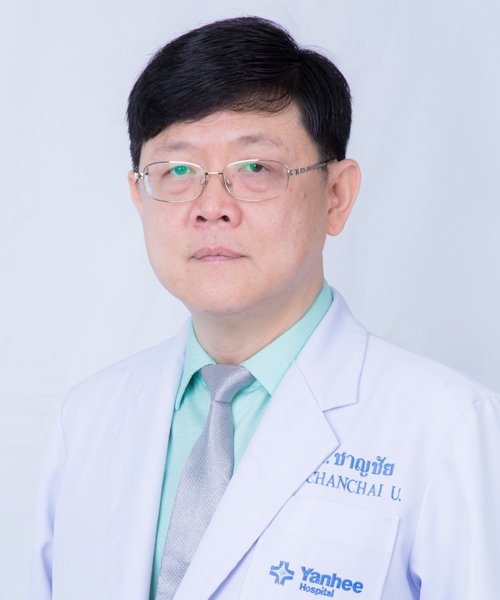



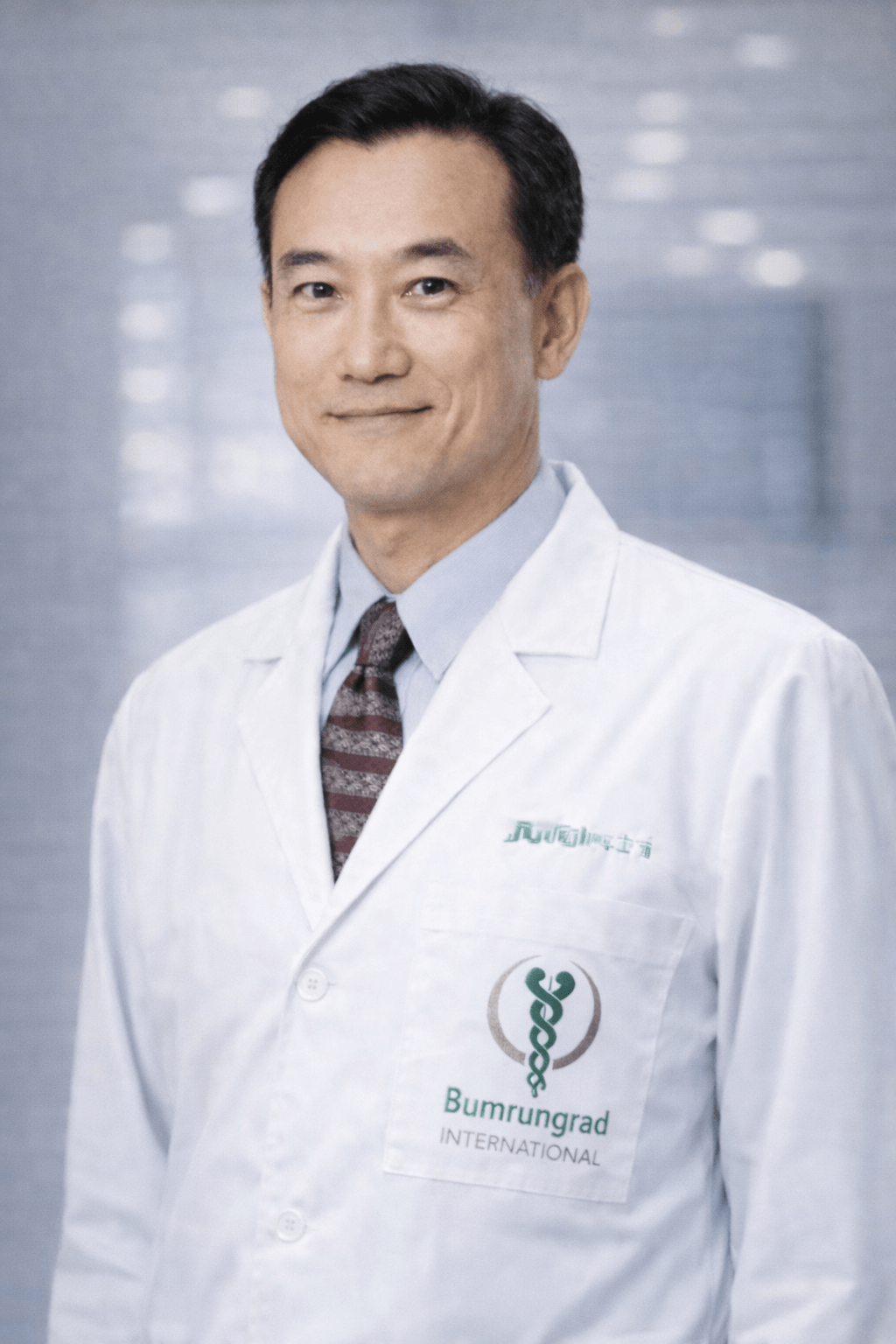

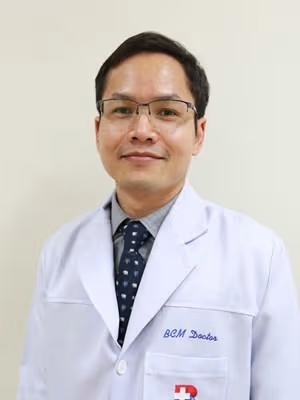


Thailand has become a well-recognized destination for orthopedic care, supported by a nationally regulated healthcare system and a long-standing emphasis on patient safety and clinical governance. In recent years, orthopedic services across the country have continued to evolve through the adoption of minimally invasive surgical techniques, advanced joint-replacement technologies, digital imaging, and integrated rehabilitation models. These developments are overseen within a structured regulatory environment guided by the Ministry of Public Health and aligned with international clinical governance principles referenced by organizations such as the World Health Organization.
Orthopedic specialists in Thailand typically complete formal medical education followed by structured residency training in orthopedics and traumatology. Many pursue further subspecialty fellowships in areas such as joint replacement, spine surgery, sports medicine, or orthopedic oncology, often in collaboration with regional or international academic centers. Licensing and ongoing professional registration are regulated nationally, with requirements for continuing medical education and periodic credential review. In practice, hospitals commonly maintain internal credentialing committees to ensure that surgeons practice within their accredited scope.
Hospital infrastructure supporting orthopedic care in Thailand generally includes tertiary-care facilities with advanced operating theaters, high-resolution diagnostic imaging, and multidisciplinary rehabilitation services. Many leading hospitals function as teaching or university-affiliated institutions, contributing to research activity and specialist training. From an international patient perspective, individuals typically begin by exploring treatment options through hospital international patient departments or independent medical travel facilitators. Hospitals often request prior imaging reports, operative notes, and recent medical summaries for preliminary review, and communication commonly takes place via secure email or online consultation platforms.
For foreign patients, there are several practical considerations that are usually addressed early in the planning process. Entry into Thailand for medical purposes typically involves standard visa or medical visa pathways, and hospitals or facilitators often help clarify documentation requirements. Orthopedic procedures frequently require a postoperative stay of at least 7–14 days, depending on the procedure and mobility needs, to allow for early rehabilitation and clinical review. Language barriers are generally managed through English-speaking medical staff or professional interpreters, and follow-up care planning is commonly discussed before patients return home to ensure continuity with local healthcare providers.
Throughout the orthopedic care pathway, Thailand emphasizes national regulation, institutional accountability, and patient safety frameworks. Clinical protocols commonly address infection prevention, surgical safety checklists, and transparent informed-consent processes, reflecting a healthcare environment designed to support both domestic and international patients in a structured, regulated manner.
Orthopedic care in Thailand increasingly reflects the integration of modern medical technologies and internationally recognized patient-safety standards. Hospitals have widely adopted digital diagnostic systems, advanced MRI and CT imaging, and computer-assisted surgical planning to support diagnostic accuracy and procedural precision. These tools are typically incorporated within standardized clinical pathways that emphasize evidence-based decision-making and multidisciplinary review.
Strict protocols are maintained for infection control, imaging and radiology safety, anesthesia management, and post-treatment monitoring. In practice, orthopedic departments often operate under hospital-wide quality-assurance programs aligned with frameworks referenced by bodies such as the Joint Commission International. Continuous professional development is a routine expectation, with specialists participating in international conferences, subspecialty workshops, and continuing medical education programs to remain current with evolving techniques.
Advanced technologies commonly used in orthopedic care include 3D imaging for joint and spine assessment, computer-assisted navigation for joint replacement, and minimally invasive techniques designed to reduce tissue disruption. Treatment plans are individualized, informed consent is required for all procedures, and final clinical decisions depend on professional evaluation by licensed specialists. At a country level, Thailand is frequently recognized for maintaining structured regulation and ongoing innovation within a nationally governed healthcare system.
Total Knee Replacement (Arthroplasty)
Total knee replacement is performed to address severe degenerative or structural conditions of the knee joint. The procedure involves replacing damaged joint surfaces with prosthetic components, often planned using digital imaging and alignment systems. Safety protocols typically include preoperative infection screening, standardized anesthesia procedures, and postoperative monitoring within a multidisciplinary care team.
Total Hip Replacement (Arthroplasty)
Hip replacement surgery focuses on restoring joint function in cases of advanced hip pathology. Core techniques may involve minimally invasive approaches and computer-assisted planning to optimize implant positioning. Diagnostic imaging, perioperative safety checklists, and structured rehabilitation planning are standard components of care.
Arthroscopic Joint Surgery
Arthroscopic procedures are used for diagnostic and therapeutic management of joint conditions, commonly involving the knee or shoulder. Using small incisions and camera-guided instruments, surgeons address intra-articular pathology with reduced tissue disruption. Clinical oversight includes imaging confirmation, sterile operating environments, and postoperative functional assessment.
Spine Surgery
Spine surgery in Thailand encompasses procedures addressing degenerative, traumatic, or structural spinal conditions. Advanced imaging, such as MRI and CT, is central to preoperative planning, and intraoperative monitoring is often used to enhance neurological safety. Multidisciplinary collaboration with neurology and rehabilitation services is common.
Sports Injury Management
Orthopedic management of sports-related injuries often combines surgical and non-surgical approaches. Techniques may include ligament reconstruction or cartilage repair, supported by diagnostic imaging and structured rehabilitation programs. Safety and functional objectives guide clinical decision-making.
Fracture and Trauma Care
Fracture management involves stabilization and alignment of broken bones using internal or external fixation techniques. Emergency protocols, imaging accuracy, and postoperative monitoring are integral to care delivery, particularly within tertiary trauma centers.
Bumrungrad International Hospital
Siriraj Hospital
Ramathibodi Hospital
Chulalongkorn Hospital
Bangkok Hospital
Samitivej Hospital
Vejthani Hospital
| Procedure | Estimated Cost |
| Total Knee Replacement | $9,000–$14,000 |
| Total Hip Replacement | $10,000–$16,000 |
| Arthroscopic Knee Surgery | $3,000–$6,000 |
| Spine Surgery | $12,000–$25,000 |
| Ligament Reconstruction | $4,000–$8,000 |
Note: The prices listed above are approximate, non-binding estimates provided for general informational purposes only. Actual treatment costs may vary based on individual clinical requirements, diagnostic findings, treatment complexity, materials or technology used, physician expertise, facility type, and duration of care. Final pricing is determined only after a professional evaluation by a licensed specialist or accredited medical institution.
Thailand’s orthopedic care environment is shaped by structured healthcare regulation, national oversight, and established patient-safety systems. Hospitals operate under Ministry of Public Health governance, with many aligning their internal policies to international clinical governance frameworks. Specialist training pathways emphasize formal certification, subspecialty education, and ongoing professional development.
The use of modern medical technology, transparent documentation, and standardized informed-consent processes contributes to institutional accountability. Government-supported medical tourism frameworks provide additional oversight intended to protect international patients and ensure ethical care delivery.
Restrictions and practical considerations:
Foreign patients may encounter eligibility requirements related to visa status, procedure complexity, or postoperative stay duration. Extended recovery periods may be necessary for certain orthopedic surgeries, and follow-up care planning is an important component of pre-travel discussions. These considerations are typically addressed collaboratively between patients, hospitals, and facilitators to support informed decision-making.
Best Clinic Abroad is a medical travel facilitator that helps patients navigate non-clinical aspects of seeking care abroad. It does not provide medical services, diagnoses, or treatment recommendations, and it does not influence clinical decisions made by licensed physicians or hospitals. Its role is limited to coordination and information support.
➤ Hospital coordination – Support communication and coordination with accredited hospitals
➤ Appointment support – Assist with scheduling and organizing consultations
➤ Communication assistance – Help patients understand next steps without replacing medical advice
➤ Logistical guidance – Offer non-clinical support related to travel planning
Patients who wish to better understand available options may choose to engage with Best Clinic Abroad to receive guidance on coordination and administrative steps involved in exploring care in Thailand.
FAQs
Do orthopedic hospitals in Thailand provide online consultations for international patients?
Yes. Many hospitals commonly offer online consultations as an initial step for international patients. These consultations usually involve reviewing existing medical records and imaging, and they are often coordinated through hospital international patient departments or medical travel facilitators such as Best Clinic Abroad.
How does visa assistance work for patients traveling to Thailand for orthopedic treatment?
In practice, patients often seek clarification on visa categories and documentation before travel. While hospitals do not issue visas, facilitators like Best Clinic Abroad typically help patients understand general requirements and coordinate information provided by Thai authorities.
Will I be able to communicate in English during my orthopedic treatment?
Most large hospitals in Thailand have English-speaking medical staff and access to professional interpreters. International patient departments commonly arrange language support to help ensure clear communication throughout the care process.
How is follow-up care handled after returning home?
Follow-up planning is usually discussed before discharge. Hospitals often provide medical summaries and recommendations for ongoing care, and patients are encouraged to share these documents with their local healthcare providers once they return home.
Disclaimer: This content is provided for informational purposes only and does not constitute medical advice. It reflects non-clinical observation of healthcare coordination processes and institutional practices in Thailand and does not represent direct medical practice. Diagnosis and treatment decisions should always be made in consultation with a licensed medical specialist based on individual clinical evaluation.
Last updated: January 2026

 Dr. Alisara Arirachakaran
 Orthopedic
.avif&w=3840&q=75)


