








Bestclinicabroad
Connect with the world's Best Clinic and doctors at Best Clinic Abroad. Your well-being is our priority, with personalized care every step of the way.


Connect with the world's Best Clinic and doctors at Best Clinic Abroad. Your well-being is our priority, with personalized care every step of the way.









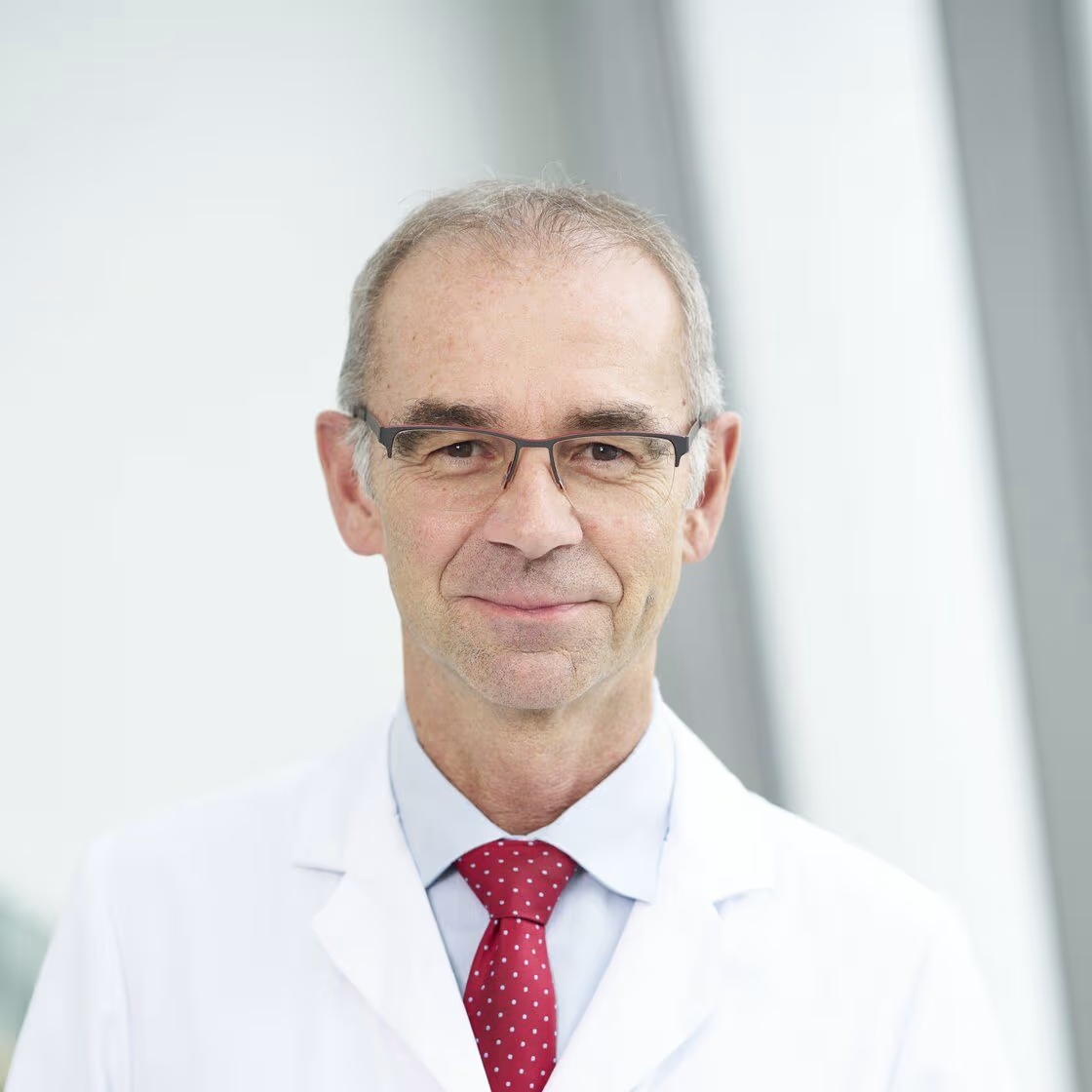




With an illustrious career spanning over 35 years, Prof. Dr. Roland M. Schmid stands as a distinguished Medical Gastroenterologist of significant renown. His professional affiliations underscore his commitment to excellence, with memberships in esteemed organizations such as the German Society of Internal Medicine, German Society for the Advances in Internal Medicine, The German Society for Gastroenterology and Metabolic Diseases, Society of Biochemistry and Molecular Biology, European Pancreas Club, International Association of Pancreatology, American Gastroenterological Association, American Pancreatic Association, American College of Physicians, and many more. Prof. Dr. Roland M. Schmid's exemplary contributions to the field have garnered him prestigious awards, including the Ludwig Heilmeyer Medal (silver) from the German Society for the Advances in Internal Medicine in Cologne and the Wolf Boas Prize from the German Society for Gastroenterology & Metabolic Diseases in Salzburg. His academic journey began at the University of Ulm in 1979, culminating in the attainment of his Doctor's degree (Doctor of Medicine) in 1987. His groundbreaking research, titled "Influence of glucose, insulin, and opiates on neuroendocrine regulation of the stomach," earned him accolades, graduating summa cum laude. Prof. Dr. Roland M. Schmid's expertise extends across a spectrum of advanced medical techniques, including Endoscopic Therapy of Zenker Diverticulum, Endoscopic Resection of intestinal cancer (EMR/ESD), Endobarrier, RFA (BARRX) for Barrett Esophagus, and Therapy of IBD (inflammatory bowel disease), among others. A prolific contributor to medical literature, Prof. Dr. Roland M. Schmid has published numerous articles and publications in diverse national and international paper journals. His extensive knowledge, coupled with his dedication to advancing gastroenterology, positions him as a leading authority in the field, making enduring contributions to medical science and patient care.
Prof. Dr. Roland M. Schmid is internationally regarded as a leading authority in medical gastroenterology, with particular expertise in pancreatic diseases, inflammatory bowel disease, and advanced therapeutic endoscopy. His clinical practice integrates cutting-edge endoscopic interventions such as EMR and ESD for early gastrointestinal cancers, radiofrequency ablation for Barrett’s esophagus, and endoscopic treatment of Zenker diverticulum. With a strong foundation in molecular biology and translational research, he bridges laboratory science and clinical medicine to develop innovative diagnostic and therapeutic strategies. His decades of academic leadership, research excellence, and procedural expertise position him as a pivotal figure in modern gastroenterology and metabolic medicine.

 Dr. Alessandro Marra
 General Surgery