









Bestclinicabroad
Connect with the world's Best Clinic and doctors at Best Clinic Abroad. Your well-being is our priority, with personalized care every step of the way.


Connect with the world's Best Clinic and doctors at Best Clinic Abroad. Your well-being is our priority, with personalized care every step of the way.


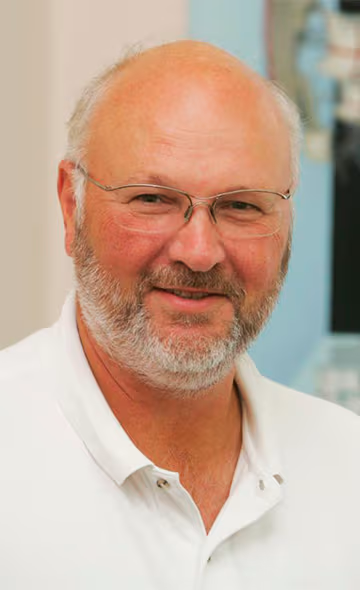
Dr. Dieter Volc is a leading neurologist and psychiatrist in Austria, specializing in the diagnosis and treatment of central movement disorders. As one of the top attending doctors in the Neurology and Neurosurgery Department, he has made significant contributions to the field, particularly in the management of Parkinson's disease and neurodegenerative disorders. With extensive experience in therapy planning for advanced disease stages, he integrates cutting-edge neurological treatments to enhance patient care. His commitment to scientific research, clinical studies, and education has solidified his reputation as a famous Parkinson’s specialist and trusted neurologist in Vienna.
Price upon request
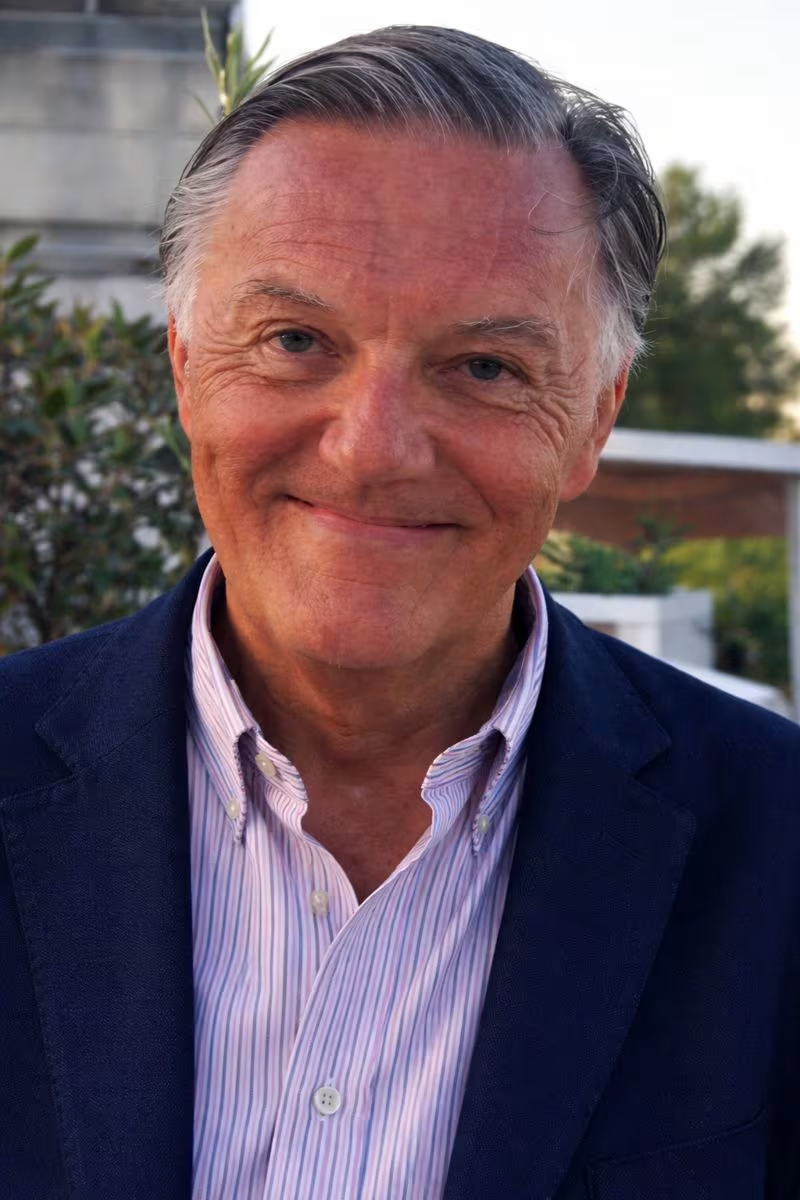
Dr. Gedeon Perneczky is a leading neurosurgeon in Germany, recognized for his exceptional expertise in performing over 7,000 successful surgeries. His specialization in intervertebral disc surgery and craniocerebral trauma has positioned him as a top neurosurgery expert in Germany. He actively contributes to neuro-oncology advancements, initiating interdisciplinary collaborations to improve brain tumour treatments. With extensive knowledge in micro neurosurgery, neuroendoscopy, and craniocerebral trauma, he continuously refines his skills as a brain tumour expert. His commitment extends to academic contributions, authoring 50+ research papers on critical neurosurgical topics such as intervertebral disc surgery and craniocerebral trauma. Performing 400-450 surgeries annually, Dr. Perneczky remains a leading neurosurgeon in Germany, dedicated to delivering high-quality patient care in the field of neurosurgery.
Price upon request
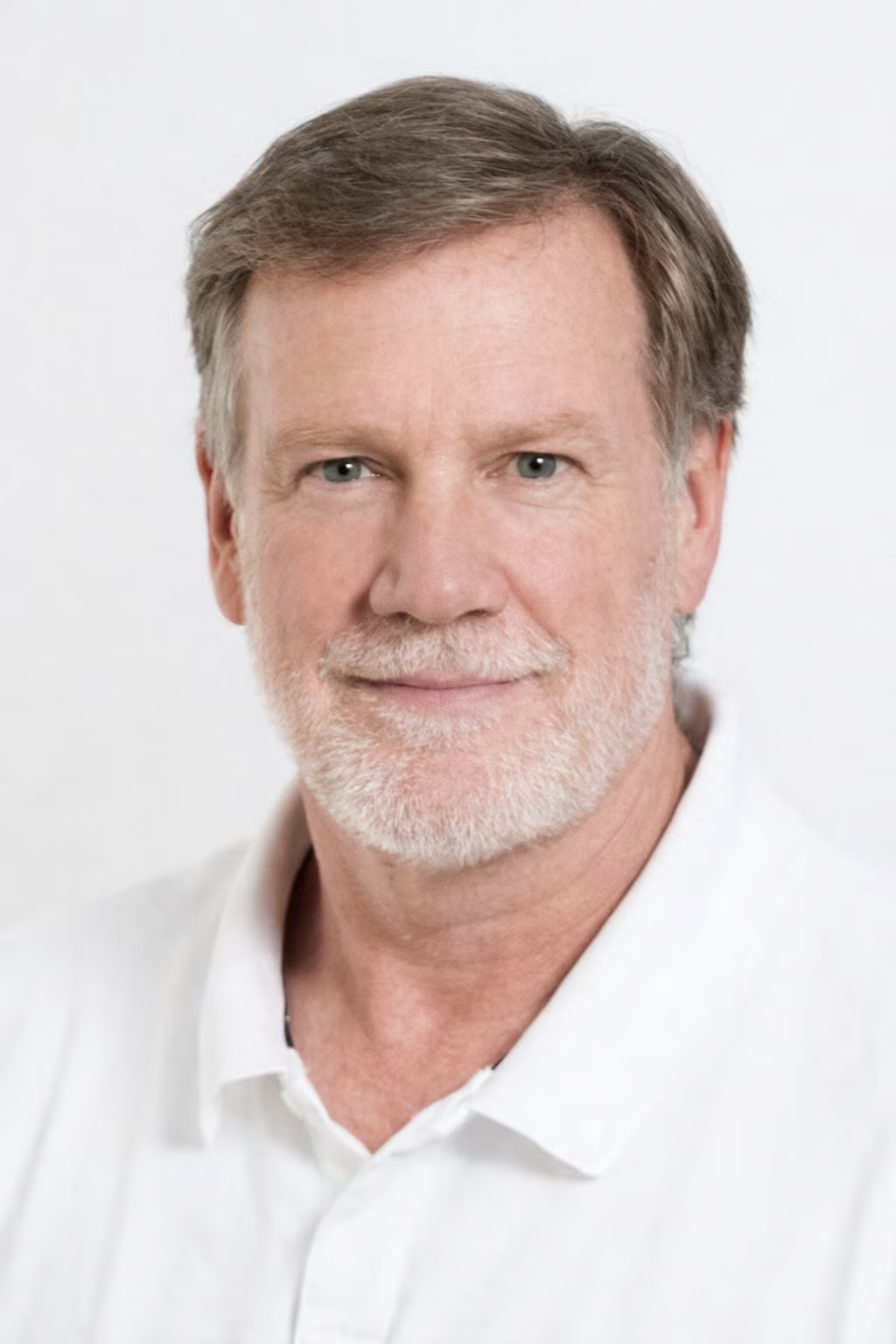
Dr. Gerd Bodner is a renowned musculoskeletal radiologist in Austria, affiliated with the Medical University of Vienna. Recognized as the best peripheral nerve imaging doctor, he has had a distinguished career spanning decades. He has held key positions, including head of radiology at St. Bernard's Hospital in Gibraltar (UK) and head of the ultrasound department at the Medical University of Innsbruck. As a leading radiologist in Vienna, Dr. Bodner is also a prolific researcher, authoring over 120 articles in international medical journals and the book High Resolution Sonography of the Peripheral Nervous System. His groundbreaking contributions to neuroradiology and musculoskeletal radiology have positioned him as a top nerve imaging specialist, advancing the field of high-resolution ultrasound and MRI techniques.
Price upon request
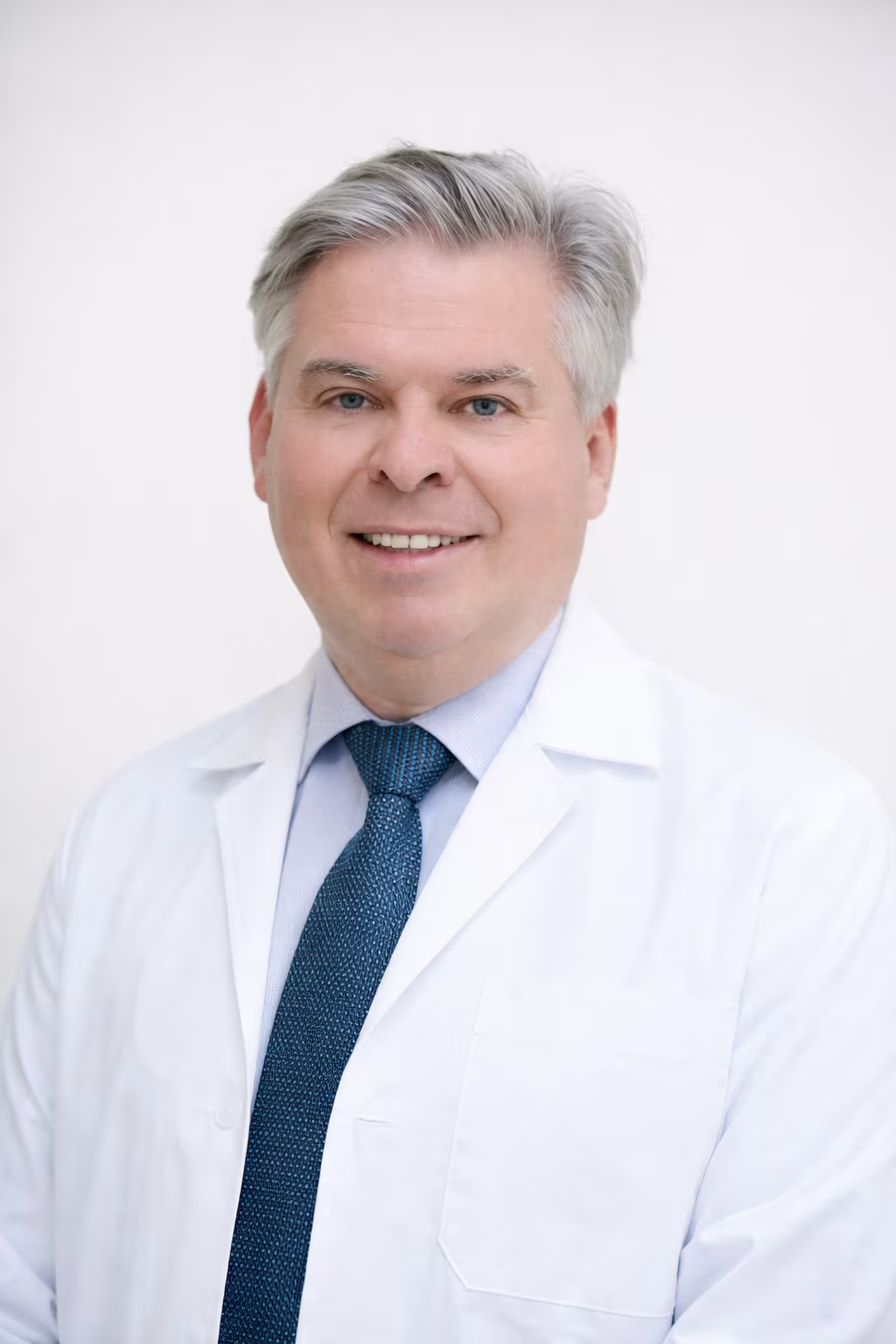
Dr. Manfred Muehlbauer is a leading spine surgeon in Vienna with over 25 years of experience, specializing in lumbar and cervical spine procedures. As a top spine specialist in Austria, he is recognized for his expertise in treating degenerative conditions such as disc herniations and spinal cord stenosis. His role as a visiting independent doctor allows him to share his vast knowledge in spine surgery internationally. Dr. Muehlbauer has also contributed significantly to research, publishing scientific papers and speaking at medical conferences, further establishing his reputation as a famous spine surgeon in Europe. His dedication to microsurgical spine procedures ensures precise, minimally invasive treatment for various spinal disorders. Patients seeking advanced spinal care trust Dr. Manfred Muehlbauer’s expertise, making him one of the best spine surgeons in Austria. His commitment to patient care, research, and education has solidified his position as a leading spine doctor, delivering exceptional medical solutions.
Price upon request
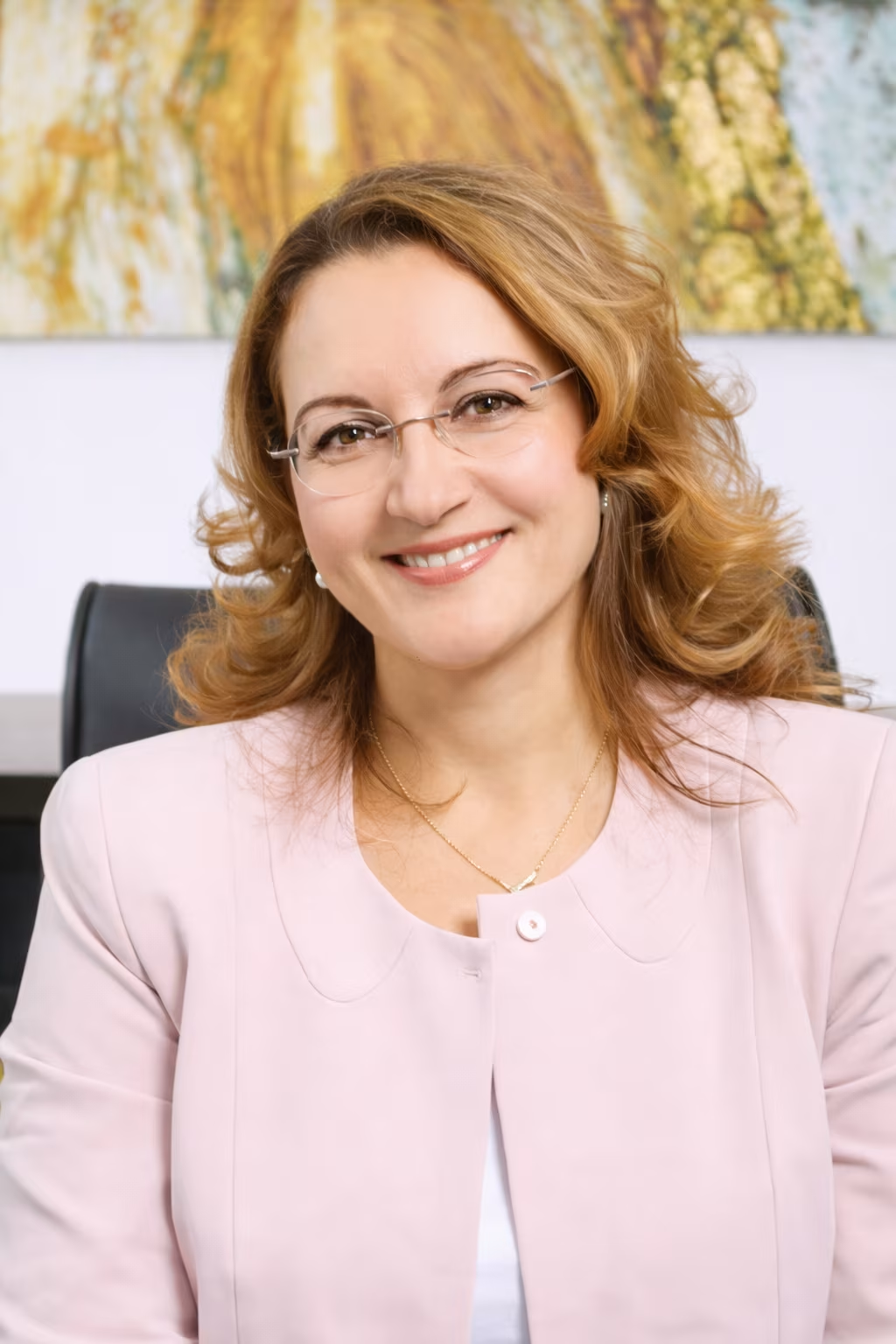
Dr. Natalia Hauser is a leading neurologist in Vienna, recognized for her extensive medical expertise and dedication to patient care. Originally from Tashkent, she moved to Austria in 1992 and began her career as a nurse in Vienna's Central Clinical Hospital, a renowned medical center. With a passion for advancing her knowledge, she spent six years conducting medical research at the University of Vienna, where she earned her thesis in internal diseases. She later specialized in neurology, neurosurgery, and psychiatry at the prestigious Hietzing Hospital, further establishing herself as a famous brain specialist in Vienna. By 2010, she had become a board-certified neurology specialist in Austria, complemented by additional diplomas in substitution therapy, emergency care, and psychosocial medicine. Fluent in German, English, and Russian, Dr. Hauser provides top-tier healthcare, making her a top-rated neurologist with multilingual skills for international patients seeking exceptional treatment.
Price upon request
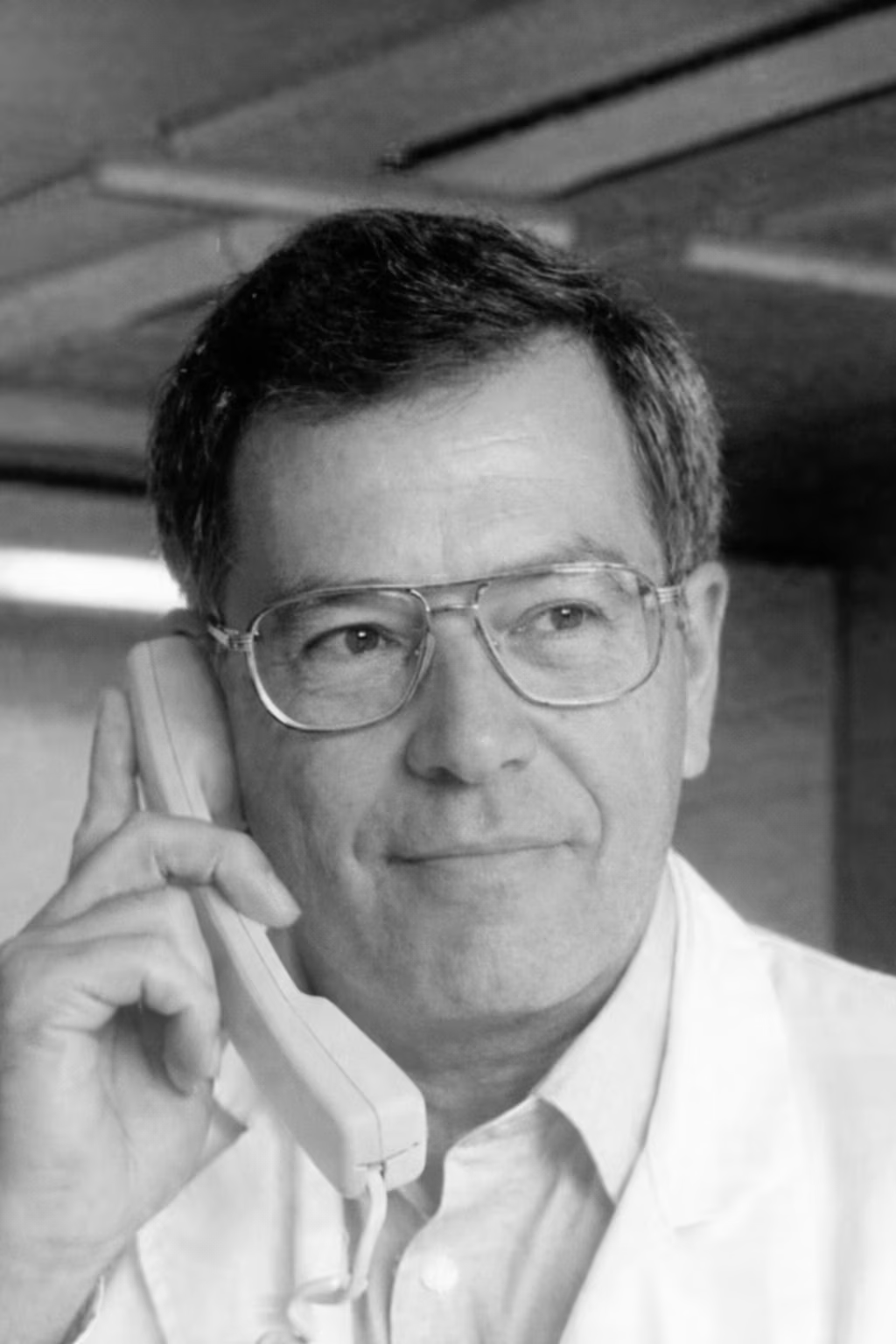
Dr. Peter Wessely, the best neurologist in Austria, is a distinguished expert in neurology and psychiatry, having led the neurology department at the Austrian Academy of Neurology. He also directed the emergency medical care unit specializing in headaches in Vienna, earning recognition as a top psychiatrist in Vienna. With an extensive career, Dr. Peter Wessely has published over 300 scientific works, including contributions to books, medical journals, and press articles. As a renowned brain specialist in Europe, he currently practices at the Döbling Private Clinic, a prestigious medical institution.
Price upon request
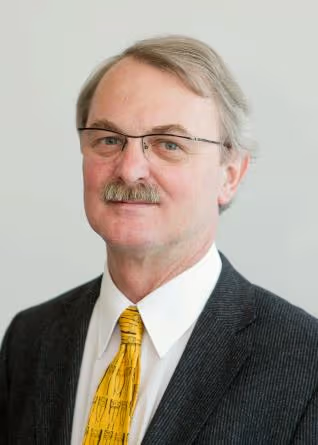
Dr. Zimprich Fritz is a senior physician at the University Clinic for Neurology at AKH Vienna, where he leads the outpatient clinic for neuromuscular diseases and myasthenia gravis. Recognized as one of the top neurologists in Austria, he is highly regarded for his expertise in neuromuscular diseases and neurogenetic disorders. With decades of experience, he has earned a reputation as a leading doctor in Austria, providing advanced diagnostic and therapeutic solutions for complex neurological conditions. As a famous neurology specialist in Vienna, Dr. Zimprich is known for his patient-focused care and innovative treatment approaches. His contributions to neuromuscular research and clinical practice have positioned him among the best neurologists in Austria, making him a popular choice for patients seeking expert medical attention. Through his work, he continues to lead advancements in neurology, ensuring patients receive the highest standard of care.
Price upon request
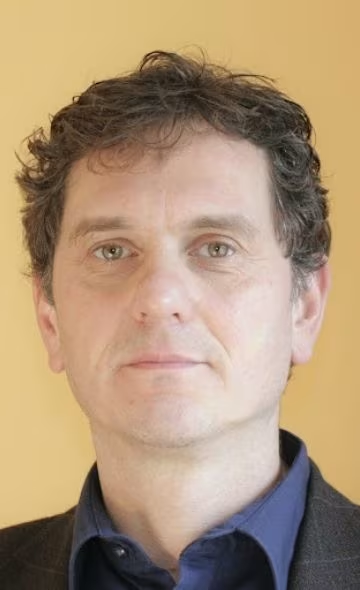
Prof. Engelbert Knosp, MD, is a distinguished specialist in neurosurgery, drawing from a wealth of experience acquired during his tenure as the former director of the Department of Neurosurgery at the Medical University of Vienna. With a comprehensive background in all facets of neurosurgery, Prof. Knosp is committed to providing expert assistance in addressing your medical concerns. His expertise encompasses a spectrum of spine-related issues, offering a range of solutions that include both surgical interventions and conservative care. Whether dealing with tumors, vascular conditions, or other medical complexities affecting the brain and spinal cord, Prof. Knosp is available to serve as a knowledgeable advisor or, when necessary, as a skilled surgeon. Prof. Knosp's approach is centered on collaborative decision-making. Together, you and Prof. Knosp will explore and determine the most suitable treatment option tailored to your unique medical needs.
Price upon request
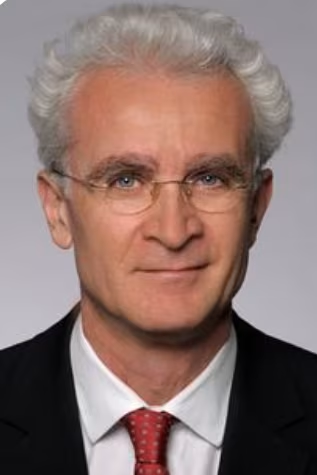
Professor Dr. Karl Rössler, a leading neurosurgeon in Austria, a Professor of Neurosurgery at the Medical University of Vienna, and Director of the University Clinic for Neurosurgery at Vienna General Hospital. Dr. Karl Rossler is the top epilepsy surgeon in Europe, he specializes in brain tumor surgery, vascular neurosurgery, and neuronavigation. His work in intraoperative imaging has established him as a famous brain tumor specialist in Vienna. Dr. Rössler integrates basic research into advanced neurosurgical therapies, focusing on epilepsy, Parkinson’s, depression, and brain tumors. As a leading neurosurgery expert in Austria, he is developing an intraoperative MRI center, reinforcing Vienna as a top destination for neurosurgery. He also leads the Comprehensive Center for Clinical Neurosciences, advancing interdisciplinary research at the Medical University of Vienna Neurosurgery.
Price upon request
Neurological disorders are a major global health concern. According to the World Health Organization (WHO), conditions such as stroke, epilepsy, Alzheimer’s disease, Parkinson’s disease, and other neurological disorders affect hundreds of millions of people worldwide. Stroke alone remains one of the leading causes of disability and death globally. Brain tumors, spinal disorders, and degenerative neurological conditions also contribute significantly to long-term disability and reduced quality of life. As diagnostic imaging and microsurgical techniques have advanced, demand for specialized neurological and neurosurgical care has steadily increased.
Austria has a structured and highly regulated healthcare system that supports advanced neurological and neurosurgical treatment. Neurologists complete medical education followed by formal specialist training in neurology, while neurosurgeons undergo extensive surgical residency in brain and spine surgery. Professional licensing is overseen by Austrian medical authorities, and clinical practice follows European Union healthcare regulations and international neurological guidelines.
Major cities such as Vienna, Graz, Innsbruck, and Linz host university hospitals and tertiary care centers equipped with advanced MRI, CT imaging, neurophysiology laboratories, and neurosurgical operating theaters. Multidisciplinary teams often include neurologists, neurosurgeons, neuroradiologists, anesthesiologists, and rehabilitation specialists. This collaborative approach supports individualized treatment planning.
For international patients considering neurologists and neurosurgeons in Austria, care typically begins with detailed diagnostic evaluation and risk assessment. Physicians emphasize informed consent, discussion of potential risks, and realistic expectations. Emotional and psychological support are recognized as important aspects of care, particularly for chronic neurological conditions. Austria’s regulated infrastructure provides a safety-focused environment for complex neurological treatment.
The following physicians are listed for informational purposes only and are not ranked.
Prof. Dr. Thomas Czech, MD
Specialization: Neurosurgery
Years of Experience: 30+ years
Prof. Dr. Thomas Czech practices at Vienna General Hospital (AKH Wien). His clinical focus includes brain tumor surgery and epilepsy surgery. He works within a university-based neurosurgical department equipped with advanced neuroimaging and intraoperative monitoring systems. Treatment planning involves multidisciplinary case review. Surgical decisions are guided by evidence-based neurosurgical standards.
Prof. Dr. Karl Rössler, MD
Specialization: Neurosurgery
Years of Experience: 25+ years
Prof. Dr. Karl Rössler is affiliated with Medical University of Vienna. His areas of expertise include skull base surgery and complex brain tumor management. He practices in a tertiary academic center with access to advanced surgical technologies. Risk assessment and individualized surgical planning are central to his clinical approach.
Prof. Dr. Johannes Trinka, MD
Specialization: Neurology and Epileptology
Years of Experience: 20+ years
Prof. Dr. Johannes Trinka works at Christian Doppler Medical Center, Salzburg. His clinical focus includes epilepsy management and seizure disorders. He practices within structured neurological care systems and follows international epilepsy treatment guidelines. Long-term monitoring and medication management are tailored to individual patient needs.
Prof. Dr. Reinhold Schmidt, MD
Specialization: Neurology
Years of Experience: 30+ years
Prof. Dr. Reinhold Schmidt practices at Medical University of Graz. His clinical interests include stroke prevention and neurodegenerative disorders. Diagnostic evaluations involve neuroimaging and vascular risk assessment. Management plans emphasize evidence-based protocols and individualized follow-up.
Prof. Dr. Claudius Thomé, MD
Specialization: Neurosurgery
Years of Experience: 25+ years
Prof. Dr. Claudius Thomé is affiliated with Medical University of Innsbruck. His expertise includes spinal surgery and degenerative spine disorders. He works within a university hospital setting with access to advanced surgical equipment and postoperative care units. Surgical decisions are based on clinical indication and imaging findings.
Prof. Dr. Wolfgang Grisold, MD
Specialization: Neurology
Years of Experience: 35+ years
Prof. Dr. Wolfgang Grisold practices at Kaiser Franz Josef Hospital, Vienna. His areas of focus include neuromuscular disorders and peripheral neuropathies. He follows European neurological guidelines and emphasizes comprehensive neurological examination. Multidisciplinary coordination may be required in complex cases.
Prof. Dr. Stefan Wolfsberger, MD
Specialization: Neurosurgery
Years of Experience: 20+ years
Prof. Dr. Stefan Wolfsberger works at Vienna General Hospital (AKH Wien). His clinical interests include minimally invasive brain surgery and tumor resection. He practices within a structured neurosurgical unit that utilizes intraoperative imaging and neuromonitoring. Patient safety and careful perioperative management are prioritized.
Prof. Dr. Franz Fazekas, MD
Specialization: Neurology
Years of Experience: 35+ years
Prof. Dr. Franz Fazekas is associated with Medical University of Graz. His expertise includes multiple sclerosis and inflammatory neurological disorders. Treatment strategies follow internationally recognized neurology guidelines. Long-term management plans are individualized based on disease progression and patient response.
| Consultation Type | Estimated Cost Range |
| Neurologist or neurosurgeon consultation | $250–$450 |
Note: Costs are approximate and provided for general guidance only. Prices vary depending on the healthcare provider, hospital type, city, and consultation format (in-person or remote). Diagnostic tests, imaging, or additional evaluations are not included. Final fees are determined by the provider after an individual clinical assessment and may be affected by currency fluctuations.
Choosing neurological or neurosurgical care abroad can feel complex, especially when dealing with conditions that affect the brain or spine. You may have concerns about expertise, safety standards, and coordination of care. Understanding the healthcare framework can help you approach treatment decisions with clarity and realistic expectations.
➤ Availability of English-speaking medical staff and professional medical translators in many facilities
➤ Specialized clinics that manage a high volume of international patients
➤ Government regulations and oversight mechanisms supporting medical tourism safety and international patient protection
➤ Structured hospital documentation, patient-safety protocols, and informed consent practices
International patients should review visa requirements according to their nationality and expected duration of stay. For neurosurgical procedures, a postoperative stay of at least 7–14 days may be necessary for monitoring and early follow-up, depending on the complexity of surgery and recovery progress. English is commonly spoken in major medical centers, though language proficiency may vary in smaller regions. Coordinating follow-up neurological care with your local physician after returning home is important for ongoing management and rehabilitation.
Patients considering neurological treatment in Austria may share their medical reports, imaging scans, and previous diagnostic findings with Best Clinic Abroad to receive assistance in coordinating consultations and understanding the initial steps of evaluation with licensed neurologists and neurosurgeons.
Do I need visa assistance for neurological treatment in Austria?
Visa requirements depend on your nationality and the length of your planned stay. Austria is part of the Schengen Area, so short-term medical visits usually follow Schengen visa regulations. You should contact the Austrian embassy or consulate in your country to confirm the appropriate visa category. Medical facilities may provide appointment confirmation letters, but visa decisions are made by immigration authorities.
Do neurologists and neurosurgeons in Austria speak English?
In major Austrian cities and university hospitals, many neurologists and neurosurgeons communicate in English, especially when treating international patients. English is widely used in medical education and research. However, proficiency may vary outside large urban centers. Professional medical interpreters can often be arranged if needed.
Is online consultation available before traveling to Austria for neurological or neurosurgical care?
Yes, preliminary online consultations are often available for international patients. If you coordinate your care through Best Clinic Abroad, their team can help arrange an online consultation with a licensed neurologist or neurosurgeon in Austria. You may be asked to provide MRI scans, CT images, medical records, or laboratory reports for review. Final treatment decisions are typically made after an in-person neurological examination and comprehensive clinical assessment.
How long should I stay in Austria after neurosurgery?
The recommended stay depends on the type and complexity of the procedure. For major neurosurgical operations, hospital admission followed by monitored recovery is required. Many patients remain in Austria for at least 7–14 days after discharge for early follow-up and wound assessment. Your treating team will provide individualized guidance based on your condition and recovery progress.
Can follow-up care continue in my home country after neurological treatment in Austria?
Yes, follow-up care is usually coordinated with your local neurologist or primary care physician after you return home. It is important to receive detailed discharge summaries, medication instructions, and imaging reports before traveling. Some specialists may offer remote follow-up consultations when clinically appropriate. Long-term management and rehabilitation often require continued monitoring in your home country.
Disclaimer
This content is provided for informational purposes only and does not constitute medical advice. Diagnosis and treatment decisions should be made in consultation with a licensed medical specialist based on individual clinical evaluation.


