









Bestclinicabroad
Connect with the world's Best Clinic and doctors at Best Clinic Abroad. Your well-being is our priority, with personalized care every step of the way.


Connect with the world's Best Clinic and doctors at Best Clinic Abroad. Your well-being is our priority, with personalized care every step of the way.


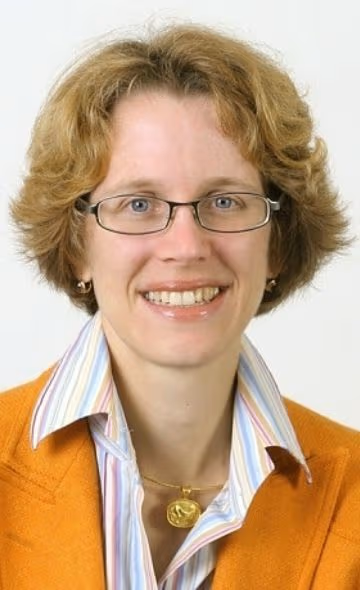
As the distinguished head ophthalmologist at Charite Hospital in Germany, Dr. Antonia Joussen oversees and manages a wide spectrum of ocular disease cases. With a rich professional background, Prof. Dr. Antonia Joussen commenced her career at the Massachusetts Eye Institute, dedicating four years to the institution where she performed numerous retinopathy surgeries, with a focus on treating patients grappling with retinal detachment. Upon returning to Germany, Dr. Antonia Joussen contributed her expertise to the University Hospital Cologne for three years and subsequently served a brief stint at the Heidelberg Institute in the retinal surgery unit. Her journey continued with a significant role as a senior ophthalmologist at the University Hospital Duesseldorf in 2009. Following this, she spent a year at Virchow Clinic before venturing to the USA as a visiting ophthalmology consultant. Dr. Antonia Joussen's professional journey culminated with her current role at Charite Hospital, where she has been an integral part of the ophthalmology unit. Not only has she excelled in her clinical responsibilities, but Dr. Joussen has also made significant contributions to ophthalmology literature. Serving as an editor in chief for a renowned international ophthalmology journal, she has authored over 100 research articles, with a particular focus on retinal detachment. Her commitment to advancing the field is further demonstrated through the organization of international conferences in Germany, where leading ophthalmologists were invited to present their work. Dr. Antonia Joussen has also showcased her expertise on an international platform, earning recognition for her contributions. Additionally, she has conducted numerous seminars at Charite Hospital, solidifying her reputation as a distinguished figure in the field of ophthalmology.
Price upon request
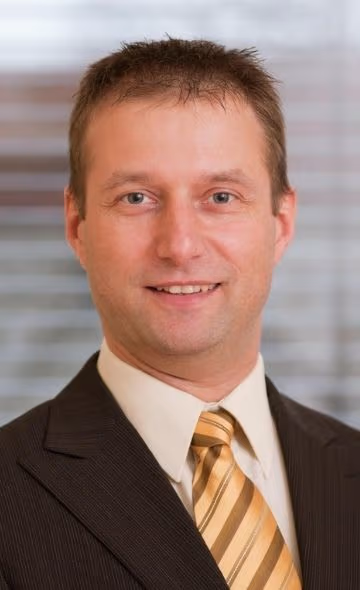
Dr. Dirk Ehrich serves as the chief physician and Ophthalmologist at Helios Hospital Plauen, where he specializes in various aspects of eye care. His expertise lies in Cataract surgery and the implantation of special lenses, Posterior segment surgery, and Laser therapy. Additionally, Dr. Ehrich possesses extensive knowledge and experience in functional diagnostics, Trauma surgery, and Lacrimal surgery. His primary specialty is Ophthalmology. Patients seeking consultation and treatment with Dr. Dirk Ehrich can find him at Helios Hospital Plauen. Dr. Ehrich not only provides in-person consultations but also offers the convenience of online consultation services. Through online consultations, patients can securely share their medical documents, pay the consultation fee, and engage in a scheduled video consultation with Dr. Dirk Ehrich. This innovative approach ensures accessible and efficient healthcare services for individuals seeking expert guidance from the comfort of their homes.
Price upon request
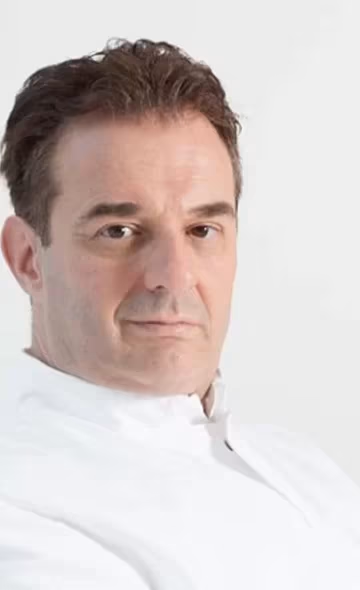
Dr. Ihab El-Bably is a renowned ophthalmologist with over 28 years of distinguished experience in eye care. Graduating from Alexandria University, he specialized in ophthalmology at Kiel University and completed a pediatric ophthalmology fellowship in London. Dr. El-Bably’s expertise extends to research and advanced surgical techniques, particularly in vision defects. He has trained and worked across prestigious institutions such as University Hospital Kiel, Moorfields Eye Hospital in London, and Bonn Eye Institute, which he founded. Known for his leadership and dedication, Dr. Ihab El-Bably is a celebrated figure in ophthalmology circles, contributing groundbreaking research published in leading journals. He is a proud member of the German Society of Ophthalmology, European Society of Cataract Surgery, and German Association for Retina. Currently affiliated with the Bonn Eye Institute, Dr. El-Bably continues to provide world-class care and innovative treatments to his patients.
Price upon request

Dr. Klaus Luque is a leading ophthalmologist in Germany with more than 20 years of experience in treating complex eye conditions. Known as one of the top eye doctors in Germany, he earned his medical degree and specialization in ophthalmology from Cape Town University. He further sharpened his skills with a fellowship in Germany, focusing on LASIK and advanced laser technologies. His international exposure also includes a diploma from the USA. Over the years, Dr. Klaus Luque has become a famous eye doctor in Germany, respected for his dedication to eye health and continuous learning.
Currently practicing at Bremen Clinic in Germany, he is multilingual, fluent in English, German, and Russian, making him accessible to a diverse range of patients. Dr. Luque is actively involved in international eye care communities, including the American Society of Ophthalmology and the DGII. His passion for global collaboration and innovation has led him to organize seminars and conferences, ensuring that patients under his care benefit from the latest advancements in ophthalmology.
Price upon request
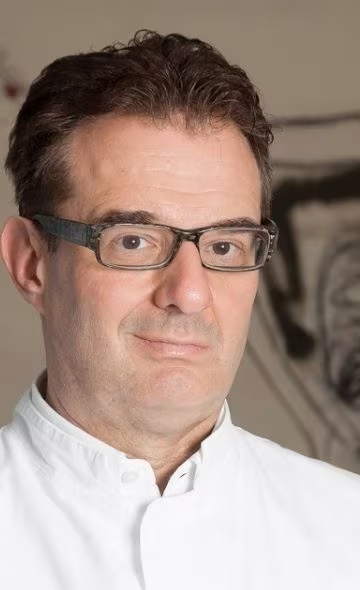
Dr. Manfred Tetz is a famous ophthalmologist in Germany with over 36 years of dedicated service in vision care and optical surgery. A graduate of Heidelberg, he is a pioneer in non-invasive techniques to treat visual impairment. Known as one of the top eye specialists in Germany, Dr. Tetz built his expertise through advanced research training in Singapore and a career that includes key roles at Heidelberg University and Eye Clinic Hospital. Currently practicing at Spreebogen Ophthalmology Clinic, he has performed over 71,000 successful eye surgeries, a testament to his unmatched surgical precision and commitment to excellence. As the founder of the Berlin Eye Research Institute, he’s a celebrated academic, speaker, and innovator. He is consistently featured in Focus Magazine’s top doctor rankings and is an honorary member of prestigious global ophthalmology organizations.
Price upon request
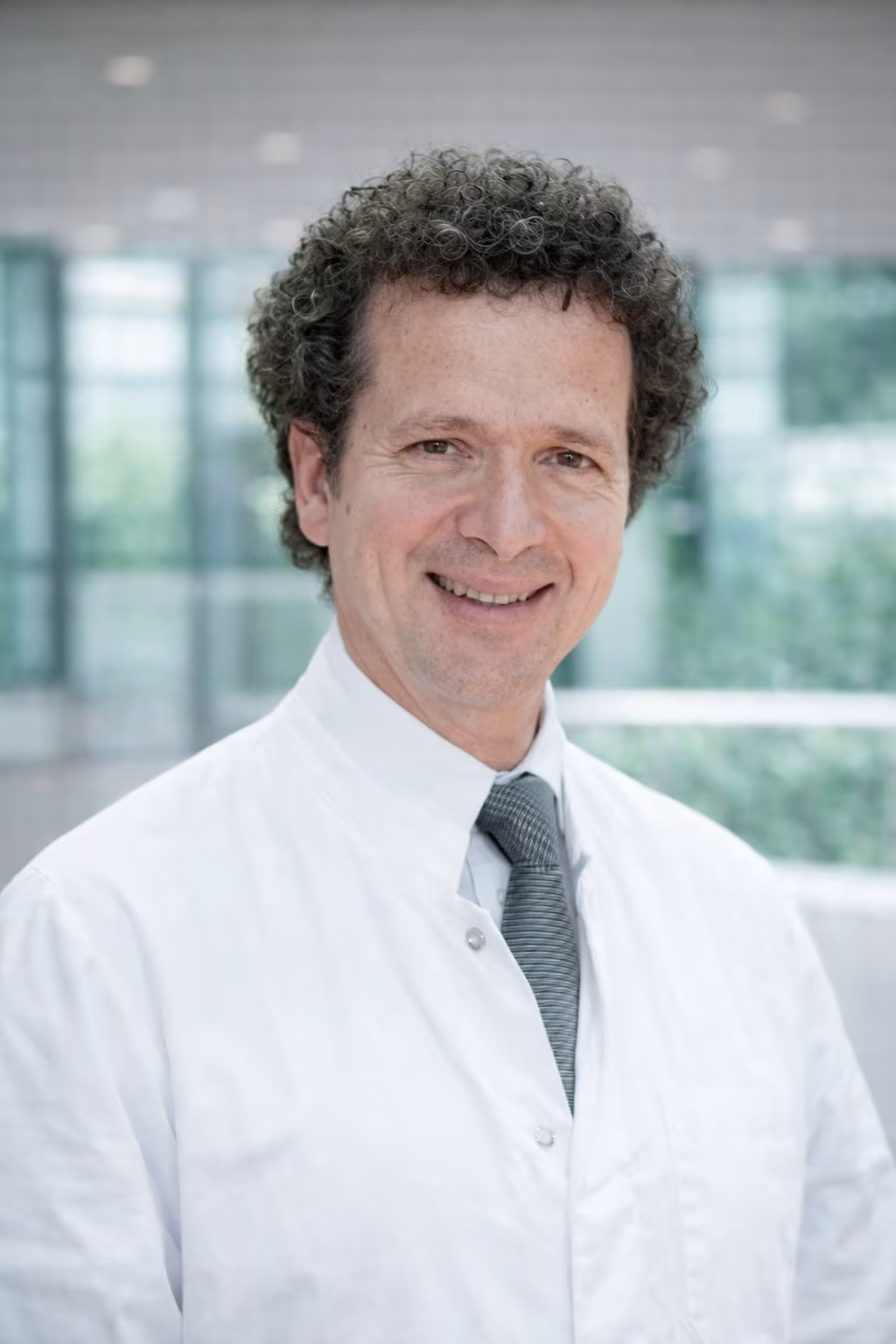
Dr. Ulrich Schaudig, a renowned German ophthalmologist, brings over 25 years of professional experience to the field of eye care. Currently serving as the Chief Physician and Head of the Ophthalmology Department at Asklepios Barmbek Hospital, he is widely celebrated for his leadership and dedication in delivering world-class ophthalmic care. Known as one of the top ophthalmologists in Germany, Dr. Schaudig completed his medical education at the prestigious Universities of Munich and Chicago and went on to specialize in ophthalmology at the University of Hamburg Eppendorf Hospital. He began his career in 1997, focusing on vitreoretinal surgery, and has since published over 67 peer-reviewed articles in leading scientific journals. Dr. Schaudig is a leading eye doctor in Germany, actively involved in global ophthalmic organizations like the American Academy of Ophthalmology and the European Society of Ophthalmic Plastic and Reconstructive Eye Surgery. His commitment to innovation, research, and compassionate care makes him one of the most respected and famous ophthalmologists in Europe.
Price upon request
Eye and vision disorders are a major global health concern. According to estimates from the World Health Organization, more than two billion people worldwide live with some form of visual impairment, and a significant proportion of these cases are either preventable or manageable with timely specialist care. As populations age and chronic conditions such as diabetes become more common, the demand for ophthalmology services continues to rise across both developed and developing healthcare systems.
Germany has long been recognized for maintaining high standards of medical care within a strictly regulated healthcare framework. Ophthalmology in Germany is practiced within a system that emphasizes patient safety, evidence-based decision-making, and adherence to internationally recognized clinical guidelines. German eye care services are delivered across university hospitals, tertiary referral centers, and specialized outpatient clinics, all operating under federal and state medical regulations. These standards apply equally to publicly funded and privately delivered care.
Clinical practice in ophthalmology in Germany follows established European and international guidelines, including those aligned with organizations such as the European Society of Ophthalmology and other globally recognized professional bodies. Diagnostic and treatment decisions are typically made through structured clinical assessments, supported by modern imaging technologies and multidisciplinary consultation where needed. This approach helps ensure that care is individualized while remaining consistent with accepted medical standards.
From an infrastructure perspective, Germany’s healthcare system supports broad access to ophthalmic services, including advanced diagnostics, surgical facilities, and long-term disease management programs. Cost structures are relatively transparent, and while fees vary between public and private settings, patients generally benefit from predictable pricing and clear consent processes. For international patients, Germany offers a stable healthcare environment with established pathways for consultation and follow-up planning.
Equally important is the attention given to the emotional and psychological aspects of vision loss or eye disease. Ophthalmologists in Germany are trained to communicate diagnoses and management options clearly, recognizing that visual health can significantly affect quality of life, independence, and mental well-being. Care is typically delivered with sensitivity to patient concerns, limitations, and individual expectations. In summary, ophthalmology care in Germany reflects a balance of clinical rigor, patient-centered communication, and system-level accountability, making it a frequently considered destination for those seeking specialist eye care abroad.
Prof. Dr. Frank G. Holz, MD
Specialization: Medical retina and degenerative retinal diseases
Years of Experience: Over 25 years
Prof. Dr. Frank G. Holz is a senior ophthalmologist with extensive clinical and academic experience in retinal conditions, including age-related macular degeneration and inherited retinal disorders. His work emphasizes evidence-based diagnostics and long-term disease monitoring. He is actively involved in clinical research and guideline development. He practices at the University Eye Hospital Bonn, a tertiary academic center with a strong focus on ophthalmic research and patient care.
Prof. Dr. Antonia Joussen, MD
Specialization: Retinal surgery and diabetic eye disease
Years of Experience: Over 20 years
Prof. Dr. Antonia Joussen is an experienced ophthalmologist known for her clinical focus on complex retinal diseases and surgical retina care. Her work integrates medical retina management with surgical decision-making, following established European treatment protocols. She is based at Charité - Universitätsmedizin Berlin, one of Germany’s largest university hospitals, where ophthalmology services are delivered within a multidisciplinary academic environment.
Prof. Dr. Thomas Kohnen, MD
Specialization: Cataract and refractive eye surgery
Years of Experience: Over 25 years
Prof. Dr. Thomas Kohnen has long-standing experience in cataract surgery, lens-based procedures, and refractive ophthalmology. His clinical practice focuses on careful patient selection, risk assessment, and realistic outcome counseling. He works at the Goethe University Eye Clinic in Frankfurt, an academic ophthalmology department equipped for both routine and complex eye care within a regulated hospital setting.
Doctor profiles are provided for informational purposes only and are not presented as rankings or endorsements.
| Consultation Type | Estimated Cost Range (USD) |
| Ophthalmologist consultation | $150-$400 |
Note: Costs are approximate and provided for general guidance only. Prices vary depending on the healthcare provider, hospital type, city, and consultation format (in-person or remote). Diagnostic tests, imaging, or additional evaluations are not included. Final fees are determined by the provider after an individual clinical assessment and may be affected by currency fluctuations.
Choosing to consult an ophthalmologist outside your home country can feel complex and sometimes overwhelming. Many patients seek clarity, reliable medical standards, and a healthcare system they can trust when considering care abroad. Germany is often considered because of its structured approach to specialist medicine and patient protection.
➤ Availability of English-speaking medical staff and professional medical translators in many facilities
➤ Specialized clinics that manage a high volume of international patients
➤ Government regulations and oversight mechanisms supporting medical tourism safety and international patient protection
➤ Structured hospital documentation, patient-safety protocols, and informed consent practices
For international patients, there are practical considerations to keep in mind. Visa or entry requirements depend on your nationality and length of stay. In cases where procedures or ongoing monitoring are required, a postoperative stay of approximately 7-14 days may be advised, depending on clinical needs. While major cities and university hospitals commonly offer English-language support, language barriers may still exist in smaller centers. Planning follow-up care after returning home is important and should be discussed with your local healthcare provider in advance.
Patients considering ophthalmologist care in Germany can share their medical reports with Best Clinic Abroad to receive coordinated support, guidance on consultation options, and a clear starting point for treatment planning. Best Clinic Abroad acts solely as a medical travel facilitator, helping patients navigate information and coordination without providing medical care directly.
Which country is best for ophthalmologists?
The answer depends on what you are looking for as a patient. Countries such as Germany, the United Kingdom, the United States, and Japan are often recognized for strong ophthalmology training systems, advanced infrastructure, and adherence to international clinical guidelines. Germany is frequently considered because of its regulated healthcare environment, university-based eye clinics, and emphasis on evidence-based practice. What matters most is whether the country’s healthcare system aligns with your medical needs, language preferences, and follow-up care plans.
How many ophthalmologists are there in Germany?
Germany has several thousand licensed ophthalmologists practicing across public hospitals, university medical centers, and private clinics. Exact numbers change over time due to training, retirement, and workforce planning, but ophthalmology is a well-established specialty within the German medical system. For patients, this means that eye care services are widely available, with subspecialists accessible in major cities and academic hospitals.
Disclaimer
“This content is provided for informational purposes only and does not constitute medical advice. Diagnosis and treatment decisions should be made in consultation with a licensed medical specialist based on individual clinical evaluation.”


