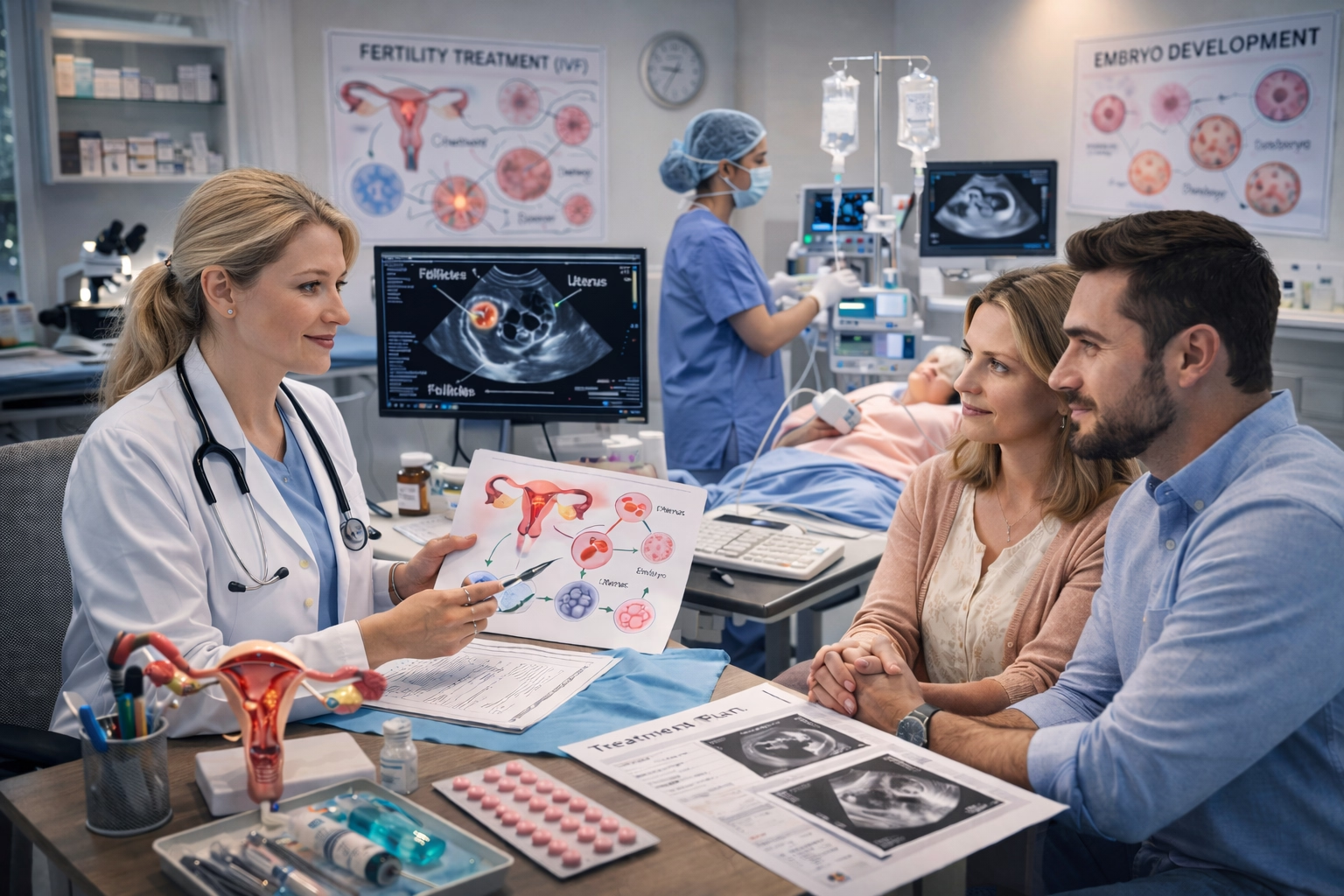









Bestclinicabroad
Connect with the world's Best Clinic and doctors at Best Clinic Abroad. Your well-being is our priority, with personalized care every step of the way.


Connect with the world's Best Clinic and doctors at Best Clinic Abroad. Your well-being is our priority, with personalized care every step of the way.



Acıbadem Healthcare Group's Cardiology Department provides comprehensive services for various cardiovascular conditions. These include coronary artery disease, arrhythmias, heart failure, and valvular heart diseases.
The department employs advanced diagnostic tools and treatment methods to provide precise and efficient care. These include advanced imaging systems, catheterization labs, and minimally invasive surgical techniques.
Acıbadem's Cardiology Department is staffed by internationally recognized specialists who leverage the latest techniques and medical advancements. This expertise ensures that patients receive comprehensive care tailored to their individual needs.
Its state-of-the-art facilities and patient-centric approach reflect the department's commitment to excellence. By integrating advanced medical technology with a team of leading experts, Acıbadem's Cardiology Department continues to set high standards in cardiovascular care.
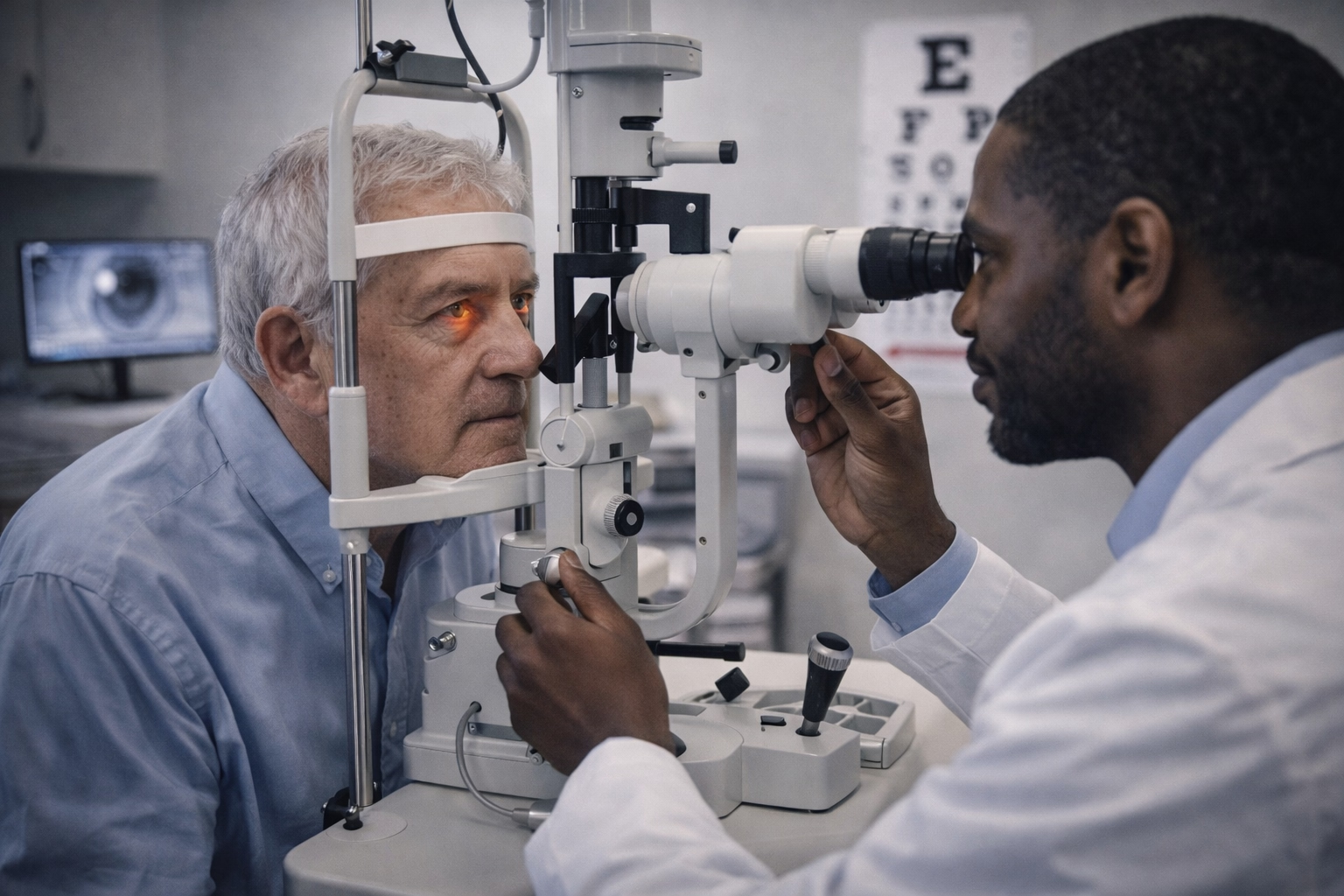
Acibadem Hospital Group is a leading center for ophthalmology, offering a full spectrum of eye care services using the latest technologies and techniques. Their experienced ophthalmologists provide comprehensive diagnosis and treatment for various eye conditions, including cataracts, glaucoma, macular degeneration, diabetic retinopathy, and refractive errors. Acibadem offers advanced surgical procedures, including laser cataract surgery with premium intraocular lenses, LASIK and other refractive surgeries, and vitreoretinal surgery. The hospital has advanced diagnostic equipment, including optical coherence tomography (OCT), fundus cameras, and visual field analyzers. Acibadem's commitment to patient comfort and satisfaction is evident in its personalized care approach and focus on clear communication. They provide detailed explanations of procedures and treatment options, ensuring patients are well-informed and empowered to make decisions about their eye health. Acibadem offers comprehensive support services for international patients, including assistance with travel arrangements, accommodation, and language interpretation, making their experience as convenient and stress-free as possible.
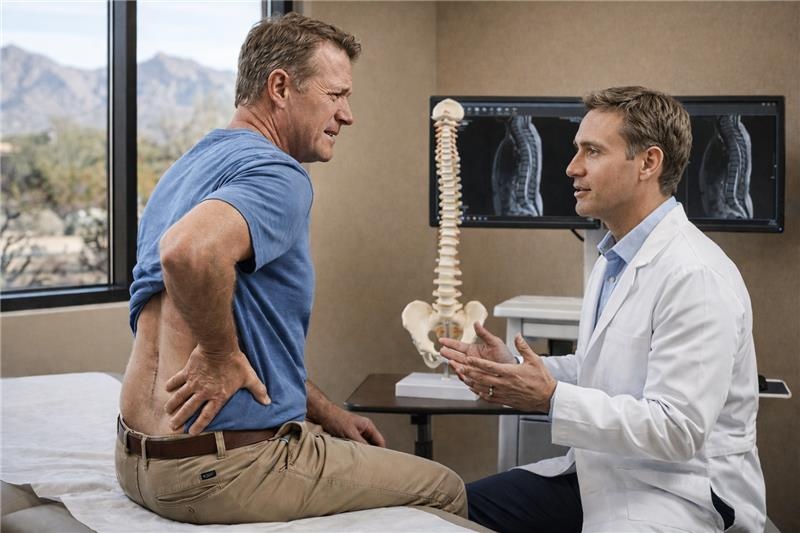
Acibadem Hospital Group provides comprehensive and advanced spine surgery services, addressing various spinal conditions. Their expert spine surgeons utilize the latest techniques and technologies to offer personalized treatment plans for each patient. From minimally invasive procedures like microdiscectomy and endoscopic surgery for herniated discs to complex spinal fusions and scoliosis correction, Acibadem provides a full range of surgical options. The hospital group also specializes in treating spinal stenosis, vertebral fractures, and spinal tumors. Acibadem's commitment to minimally invasive surgery translates to smaller incisions, reduced pain, faster recovery times, and shorter hospital stays. Advanced imaging technologies, such as intraoperative CT and navigation systems, enhance surgical precision and safety. The multidisciplinary team includes neurosurgeons, orthopedic surgeons, pain management specialists, and rehabilitation therapists, working collaboratively to provide integrated care. Acibadem's focus on patient education and post-operative rehabilitation ensures optimal recovery and long-term spinal health. International patients can benefit from dedicated support services, including travel, accommodation, and translation assistance, providing a seamless and comfortable experience.
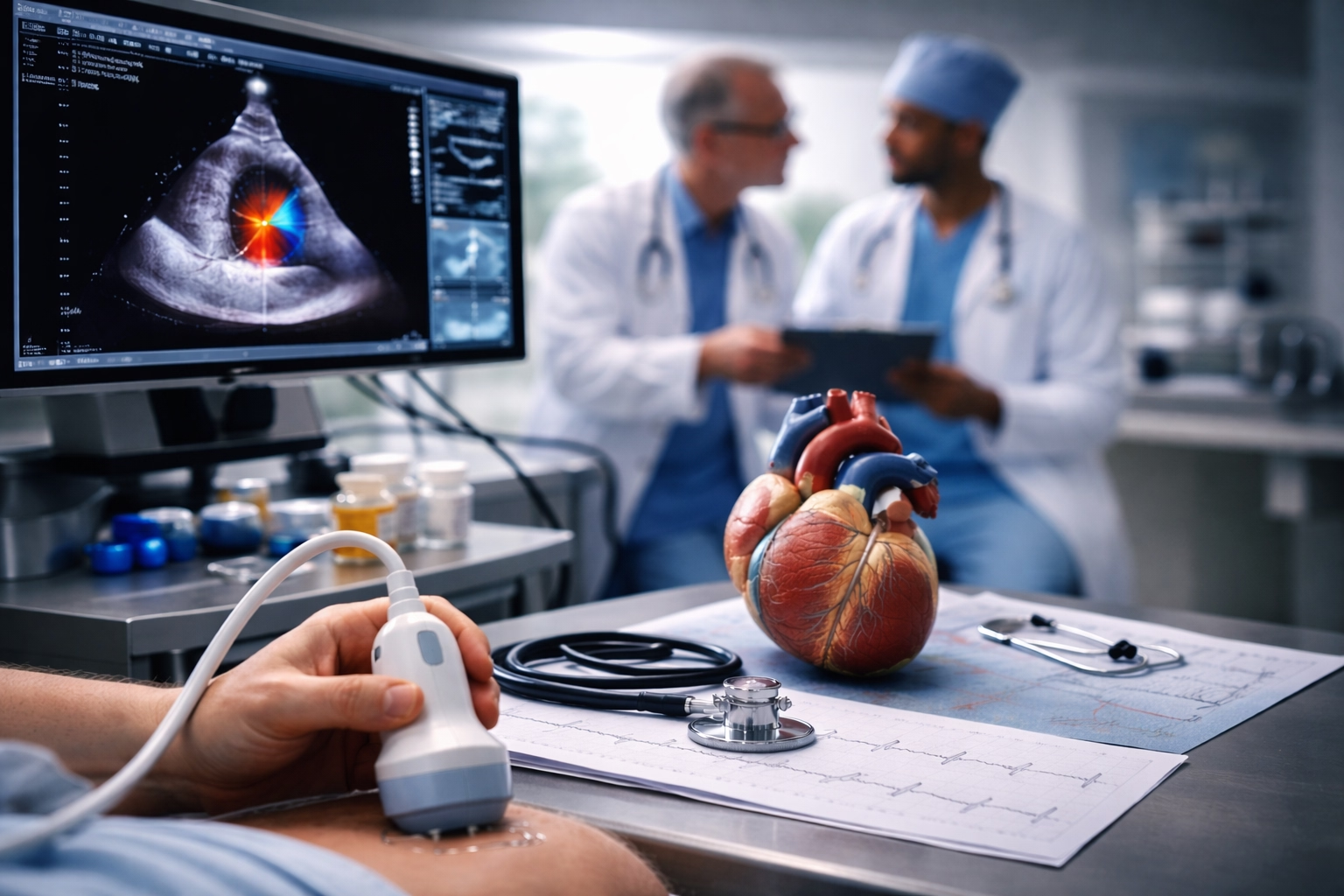
Acibadem Hospital Group stands at the forefront of cardiac care, offering world-class cardiac surgery services. Acibadem provides comprehensive treatment for a wide range of heart conditions with highly skilled cardiothoracic surgeons, anesthesiologists, and support staff. Acibadem utilizes the latest advancements in medical technology from coronary artery bypass grafting (CABG) using both traditional and minimally invasive techniques to complex valve repair and replacement procedures. The hospital group also specializes in the treatment of congenital heart defects, aortic aneurysms, and heart rhythm disorders. Acibadem's modern facilities include advanced operating rooms, intensive care units for post-operative care, and dedicated cardiac rehabilitation programs. The focus is on personalized treatment plans, ensuring patients receive the most appropriate and effective care. Acibadem's commitment to innovation and research provides access to advanced procedures and therapies. Acibadem offers comprehensive support services for international patients, including assistance with travel arrangements, accommodation, and language interpretation, making the entire experience as smooth and stress-free as possible. This commitment to patient-centered care makes Acibadem a leading destination for cardiac surgery.
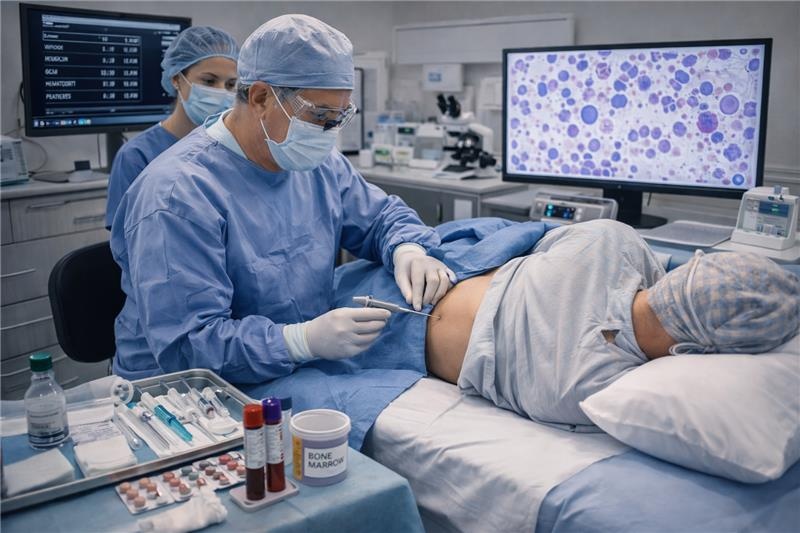
Acibadem Hospital Group's Onco-Hematology department offers comprehensive and advanced care for patients with blood cancers and other hematological disorders. A team of experienced hematologists, oncologists, and specialized nurses provides personalized treatment plans tailored to each patient's condition. Acibadem offers various treatment modalities, including chemotherapy, immunotherapy, targeted therapies, and stem cell transplantation. The hospital has modern facilities for diagnosis, treatment, and supportive care. Acibadem's commitment to research and innovation ensures patients have access to the latest clinical trials and advancements in cancer care. The multidisciplinary team works closely with other specialists, such as pathologists, radiologists, and radiation oncologists, to provide integrated and holistic care. Acibadem's patient-centered approach extends beyond medical treatment, offering psychological support, nutritional counseling, and rehabilitation services. Acibadem provides comprehensive support services for international patients, including assistance with travel arrangements, accommodation, and language interpretation, easing the burden during a challenging time.
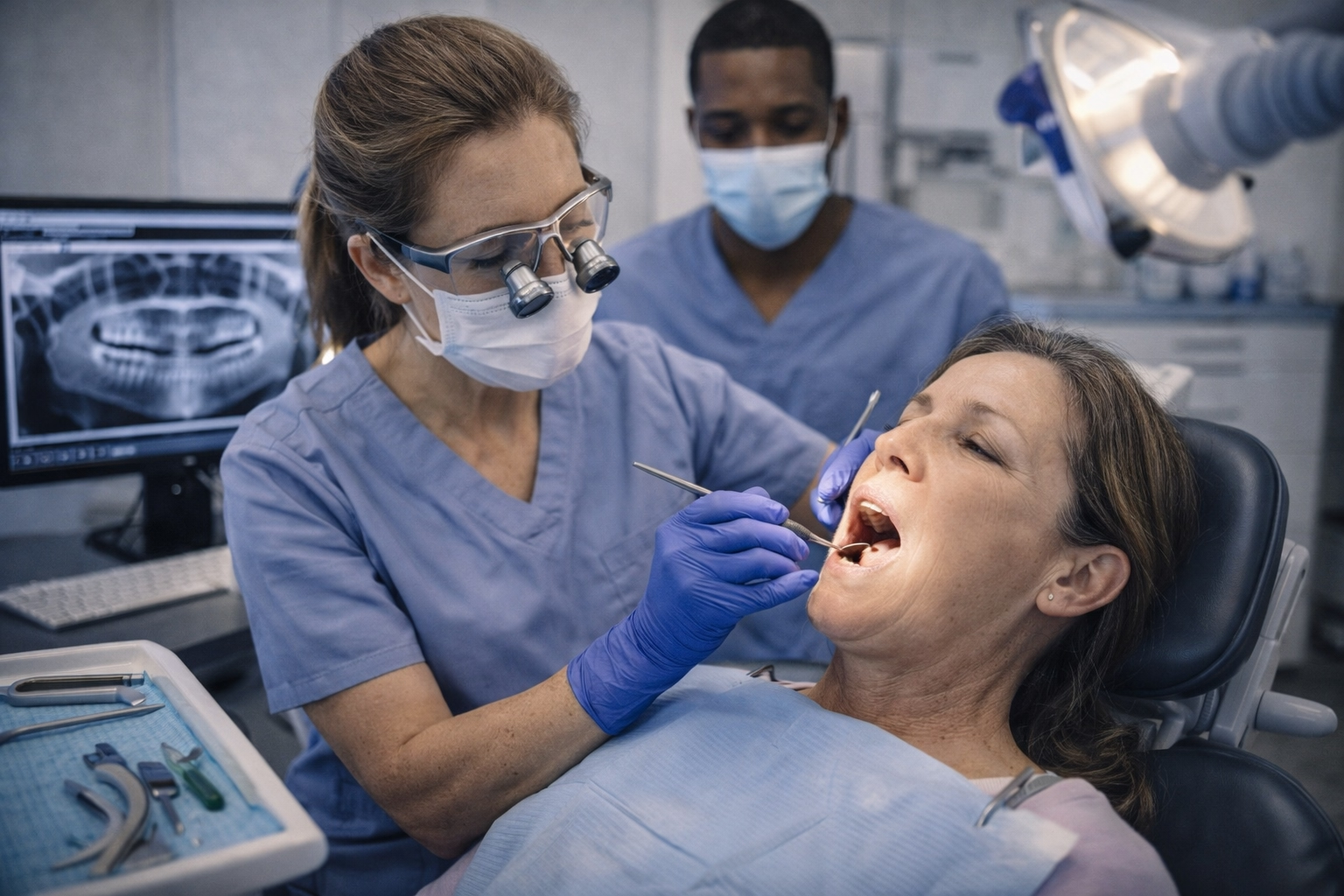
Dental treatment encompasses a broad spectrum of medical procedures focused on maintaining and improving oral health. From routine check-ups and cleanings to more complex interventions, such as fillings, extractions, and root canals, dental treatment plays a crucial role in preventing and addressing various oral health issues. Professional dental care not only addresses common problems like cavities and gum disease but also provides cosmetic treatments like teeth whitening and orthodontic procedures to enhance the aesthetics of a patient's smile. Dentists utilize state-of-the-art technology and evidence-based practices to diagnose, treat, and prevent oral health issues, ensuring that patients can enjoy optimal dental well-being and maintain a confident, healthy smile throughout their lives.
In addition to addressing immediate concerns, dental treatment often emphasizes preventive care to avoid future complications. Regular dental check-ups and cleanings, along with patient education on proper oral hygiene practices, form essential components of preventive dental care. By promoting a proactive approach to oral health, dental treatment not only helps individuals maintain strong teeth and healthy gums but also contributes to overall well-being, as there is a growing understanding of the interconnectedness between oral health and systemic health. With advancements in dental technology and a focus on patient-centered care, dental treatment strives to provide comprehensive solutions that prioritize both the functional and aesthetic aspects of oral health, ensuring a positive and lasting impact on an individual's overall quality of life.
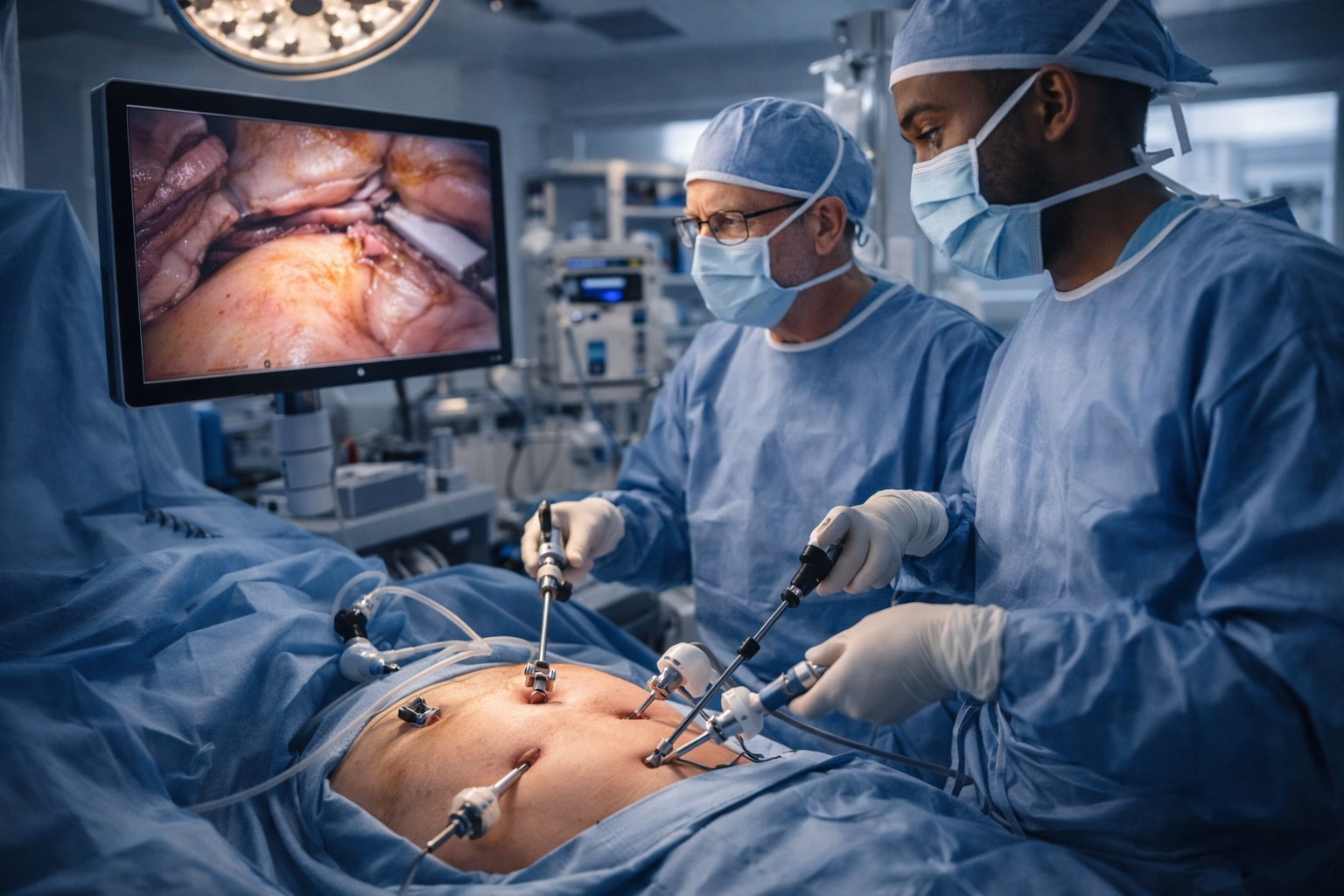
General surgery is a broad surgical specialty that focuses on the diagnosis, preoperative, operative, and postoperative management of a wide range of conditions affecting various parts of the body. General surgeons perform procedures involving the gastrointestinal tract, endocrine system, breast, skin, and soft tissues. Common surgeries include appendectomies, hernia repairs, gallbladder removals, and colorectal surgeries. General surgeons are trained to handle emergencies, trauma, and critical care situations, providing comprehensive surgical care to patients with diverse medical needs.
The field of general surgery is continually evolving with advancements in surgical techniques and technologies. Minimally invasive procedures, such as laparoscopic and robotic-assisted surgeries, have revolutionized the field by reducing recovery times and minimizing complications. General surgeons work closely with other specialists to provide multidisciplinary care, ensuring that patients receive the most appropriate and effective treatments. Patient education, postoperative care, and follow-up are integral components of general surgery, aiming to achieve optimal outcomes and improve patients' quality of life.
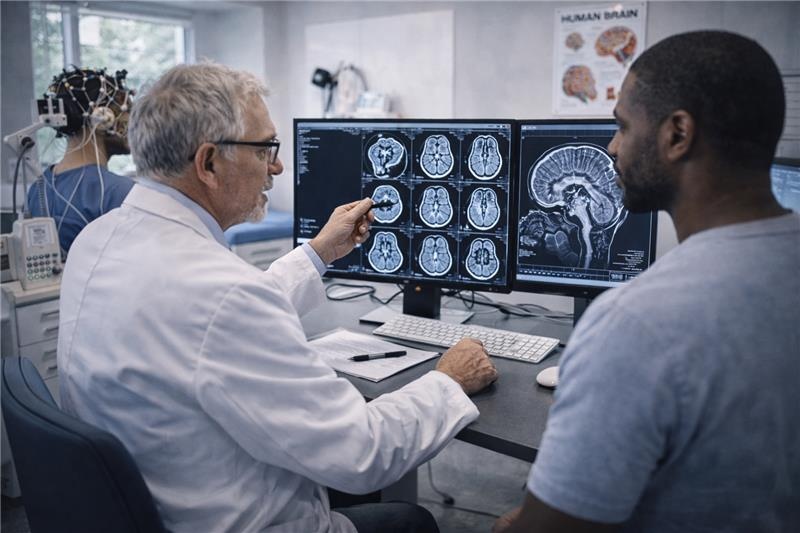
Neurology and neurosurgery are medical specialties dedicated to the diagnosis and treatment of disorders affecting the nervous system, which includes the brain, spinal cord, and peripheral nerves. Neurology focuses on non-surgical approaches to managing conditions such as epilepsy, multiple sclerosis, Parkinson's disease, and migraines, utilizing medications, physical therapy, and other non-invasive treatments. Neurosurgery involves surgical interventions to address issues like brain tumors, spinal disorders, traumatic brain injuries, and congenital abnormalities. Both specialties aim to improve neurological function, alleviate symptoms, and enhance patients' quality of life through comprehensive care and advanced treatment modalities.
Recent advancements in neurology and neurosurgery have significantly improved the prognosis for many neurological conditions. Techniques such as minimally invasive spine surgery, deep brain stimulation, and advanced neuroimaging have expanded treatment options and improved patient outcomes. The interdisciplinary approach involving neurologists, neurosurgeons, physical therapists, and other healthcare professionals ensures that patients receive holistic care tailored to their specific needs. By focusing on early diagnosis, innovative treatments, and ongoing management, neurology and neurosurgery strive to provide optimal neurological health and improve the overall well-being of patients.
Oncology is a medical specialty focused on the diagnosis, treatment, and management of cancer. Oncologists are experts in identifying various types of cancer, understanding their progression, and devising personalized treatment plans to combat the disease. Treatment modalities in oncology include surgery, chemotherapy, radiation therapy, immunotherapy, and targeted therapy, each tailored to the specific needs of the patient and the type of cancer being treated. Oncologists work closely with a multidisciplinary team to provide comprehensive care that addresses both the physical and emotional aspects of cancer, aiming to improve survival rates and enhance the quality of life for patients undergoing cancer treatment.
Preventive measures and early detection play a pivotal role in oncology. Regular screenings, such as mammograms, colonoscopies, and PSA tests, are essential for identifying cancers at an early, more treatable stage. Oncologists also focus on patient education, lifestyle modifications, and genetic counseling to reduce cancer risk and promote early intervention. With the rapid advancements in cancer research and treatment, oncology is continually evolving, offering new hope through innovative therapies and clinical trials. The goal of oncology is not only to treat cancer but also to provide holistic care that supports patients and their families throughout the cancer journey, ensuring compassionate and effective treatment that improves outcomes and fosters resilience.
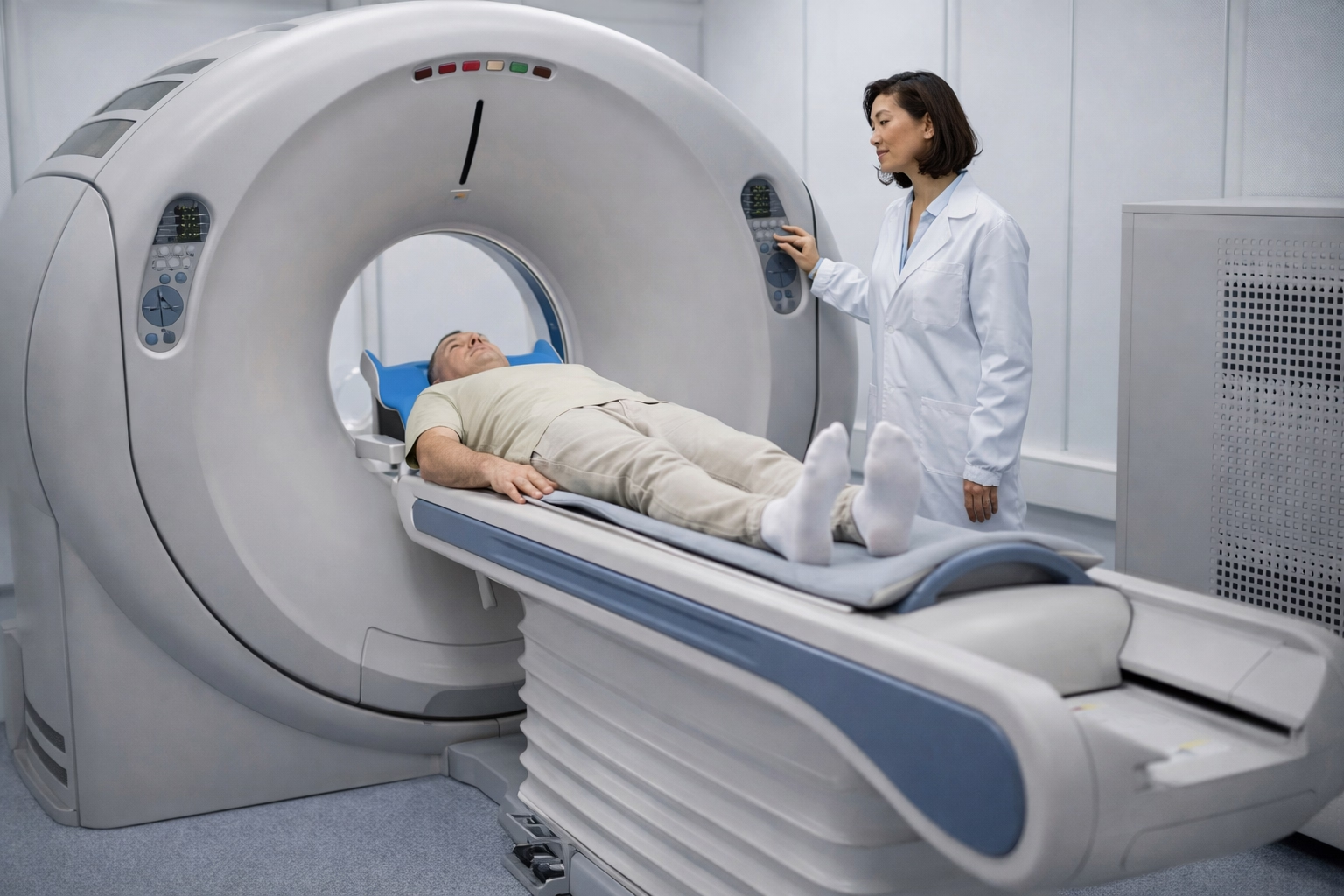
Orthopedic surgery is a medical specialty that focuses on the diagnosis, treatment, and prevention of musculoskeletal disorders, including injuries and diseases of the bones, joints, ligaments, tendons, and muscles. Orthopedic surgeons perform procedures such as joint replacements, arthroscopic surgeries, fracture repairs, and corrective surgeries for congenital deformities. The goal of orthopedic surgery is to restore mobility, alleviate pain, and improve the functional abilities of patients with musculoskeletal conditions.
Orthopedic surgery has seen significant advancements with the development of minimally invasive techniques, advanced imaging technologies, and biologic treatments. These innovations have enhanced the precision of surgical interventions and reduced recovery times. Orthopedic surgeons work closely with physical therapists, pain management specialists, and other healthcare providers to deliver comprehensive care that addresses the unique needs of each patient. By combining surgical expertise with rehabilitation and preventive strategies, orthopedic surgery strives to improve the overall quality of life for patients with musculoskeletal disorders.

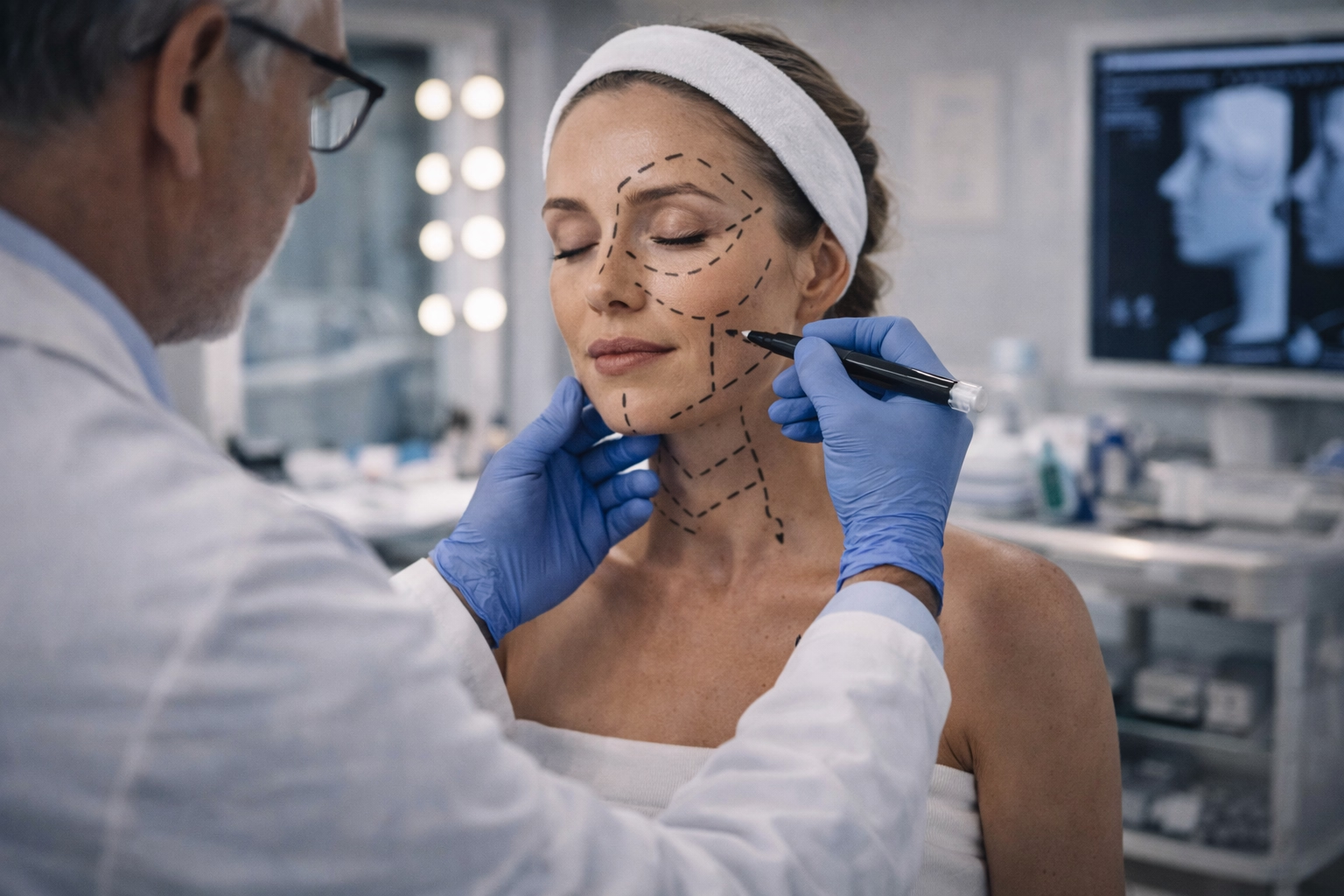
Plastic surgery is a specialized medical field dedicated to the correction or restoration of form and function. It includes both reconstructive surgery, which addresses physical abnormalities caused by birth defects, trauma, disease, or aging, and cosmetic surgery, which aims to enhance appearance. Reconstructive procedures might involve breast reconstruction after mastectomy, cleft lip and palate repair, and hand surgery. Cosmetic surgery includes facelifts, rhinoplasty, liposuction, and breast augmentation. Plastic surgeons employ advanced techniques and technologies to achieve natural-looking results, focusing on improving patients' confidence and quality of life by addressing their physical concerns and functional impairments.
Plastic surgery emphasizes meticulous planning and a deep understanding of human anatomy to achieve optimal outcomes. Surgeons work closely with patients to understand their goals and develop individualized treatment plans. The field continuously evolves with advancements in minimally invasive techniques, regenerative medicine, and biomaterials, enhancing the safety and effectiveness of procedures. By combining artistic vision with surgical precision, plastic surgery not only addresses aesthetic desires but also restores functionality and improves overall well-being. Patient education and post-operative care are integral to the process, ensuring long-term satisfaction and health.
Reproductive medicine is a branch of medicine that focuses on the diagnosis and treatment of reproductive health issues, including infertility, hormonal imbalances, and disorders of the reproductive system. Specialists in reproductive medicine provide a range of treatments, such as in vitro fertilization (IVF), intrauterine insemination (IUI), hormone therapy, and surgical interventions. The goal of reproductive medicine is to help individuals and couples achieve successful pregnancies and address conditions that affect reproductive health, such as polycystic ovary syndrome (PCOS), endometriosis, and male infertility.
Reproductive medicine emphasizes personalized care and advanced technologies to improve the chances of conception and successful pregnancy outcomes. Techniques such as genetic testing, egg and sperm preservation, and minimally invasive surgery have expanded the options available to patients. Specialists work closely with patients to develop individualized treatment plans that address their specific needs and goals. By combining medical expertise with compassionate care, reproductive medicine aims to provide comprehensive solutions that enhance reproductive health and fulfill the dreams of parenthood for many individuals and couples.