









Bestclinicabroad
Connect with the world's Best Clinic and doctors at Best Clinic Abroad. Your well-being is our priority, with personalized care every step of the way.


Connect with the world's Best Clinic and doctors at Best Clinic Abroad. Your well-being is our priority, with personalized care every step of the way.


 Via Corriera, 1, 48033 Cotignola RA, Ravenna, Italy;
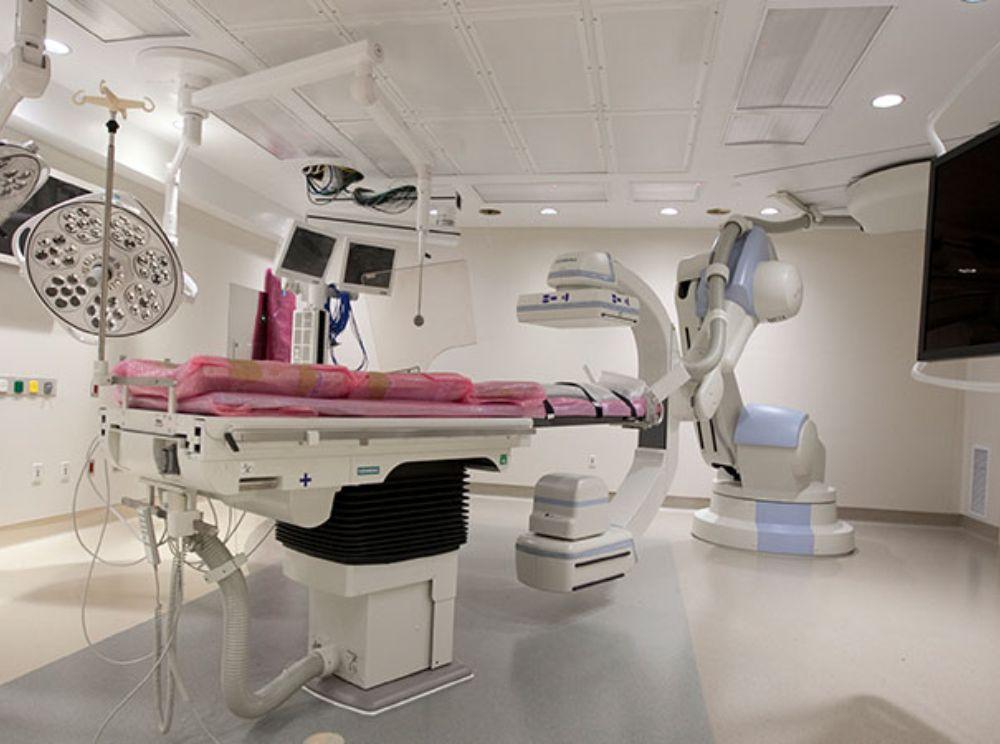
Maria Cecilia Hospital, part of the GVM Care & Research Group, is a leading cardiology hospital in Italy specializing in advanced diagnostics, interventional procedures, and surgical treatments. Established in the 1970s, Maria Cecilia Hospital has gained recognition in cardiac surgery in Italy, electrophysiology treatment, neurosurgery in Italy, and diabetic foot treatment in Italy. Maria Cecilia Hospital is known for its highly specialized medical services, innovative procedures, and collaborative approach to healthcare.
Key Features of Maria Cecilia Hospital
With its highly specialized treatments and comprehensive medical services, Maria Cecilia Hospital Italy is a preferred destination for international patients seeking quality healthcare in Italy. Maria Cecilia Hospital's collaborative medical approach, dedicated research efforts, and advanced procedures make it one of the best hospitals in Italy for cardiology, neurosurgery, and diabetic foot treatment.


 Via Aurelia, 275, 00165 RM, Rome, Italy
Established in 1932, Ospedale San Carlo di Nancy is a renowned healthcare facility in Rome, Italy. Since 1976, it has been classified as a General Hospital of the Area, providing high-quality care to approximately 15,000 inpatients annually. Strategically located near Vatican City, the hospital has developed into a multi-specialty center with a strong surgical and oncological focus. Accredited by the Italian National Health Service, it ensures comprehensive medical care across various disciplines, including cardiology, general surgery, obstetrics, gynecology, and rehabilitation.
Advanced Technology & Facilities
Ospedale San Carlo di Nancy continues to uphold its reputation as a leading medical institution, combining innovative technology, multidisciplinary expertise, and patient-focused services to deliver world-class healthcare in the heart of Rome.
 Via di Roncrio, 25, 40136, Bologna, Italy
Clinica Privata Villalba, located in the peaceful hills of Bologna, Italy, has been providing excellent healthcare services since 1966. As part of the respected GVM Healthcare network in Italy since 2000, the Clinica Privata Villalba has undergone significant reorganization and reconstruction to enhance the quality of patient care. In 2006, the Clinica Privata Villalba expanded, doubling its capacity to 71 beds and offering a comfortable, hotel-like environment for patients seeking private healthcare in Bologna.
Key Highlights of Clinica Privata Villalba
Clinica Privata Villalba remains one of the leading private hospitals in Bologna, Italy, offering expert medical care in a peaceful environment. Whether patients seek trusted neurology treatments in Bologna or specialized surgical procedures, the Clinica Privata Villalba ensures a high standard of healthcare supported by modern technology and experienced professionals.
 Italy, Rome
GVM Health Group is a well-established medical network in Europe, recognized for its expertise in cardiology, cardiovascular surgery, orthopedics, and neurology. Headquartered in Italy, GVM Health Group operates 49 medical and diagnostic facilities across Western and Eastern Europe, ensuring high-quality healthcare services that meet European and international standards. As part of its commitment to excellence, GVM International hospitals provide specialized care in areas such as robotic surgery, cancer treatment, and post-COVID rehabilitation.
Key Features of GVM Health Group
Extensive Network of Hospitals
Renowned Medical Facilities
High-Tech Medical Equipment
Highly Qualified Medical Staff
Medical Tourism in Italy & International Patient Services
With its extensive hospital network, highly skilled specialists, and advanced medical technology, GVM Health Group is a trusted choice for patients seeking top cardiology hospitals in Europe, orthopedic surgery in Italy, and cancer treatment in Italy. GVM Health Group's commitment to medical excellence, patient care, and accessibility makes it a preferred destination for private healthcare in Italy and international medical travelers.
 Via Camillo Rosalba, 35/37, 70124, Bari, Italy
Anthea Hospital, located in Bari, Italy, has been an integral part of GVM Care & Research since 2001. It stands as a prominent healthcare institution in the Puglia region and is recognized nationally and internationally for its excellence in treating heart diseases. The hospital's cardiac surgery specialists have been invited to prestigious conferences, such as "Eurovalve," to present innovative techniques in mitral valve repair.
Advanced Technology & Facilities
Key Services at Anthea Hospital
Anthea Hospital exemplifies medical excellence by combining research-driven healthcare, innovative treatments, and compassionate patient care, making it a top destination for specialized medical services in Italy and beyond.
 Via Olgettina, 60, 20132 Milano MI, Italy
Founded in 1969 by Don Luigi Maria Verzé, Ospedale San Raffaele is an esteemed academic teaching hospital affiliated with the Vita-Salute San Raffaele University. The hospital offers a comprehensive range of medical services, including oncology, neurology, orthopedics, cardiology, and general surgery. It integrates modern research with high-quality patient care, ensuring innovative treatment approaches and advanced medical technologies. With a multidisciplinary team of experts, the hospital delivers personalized and patient-centered healthcare to both national and international patients.
Advanced Technology & Facilities
Key Services at Ospedale San Raffaele
Ospedale San Raffaele is a pioneer in medical excellence, combining research-driven healthcare, innovative treatments, and compassionate patient care, making it a top destination for specialized medical services worldwide.

 Via Antonio de Ferrariis, 22, 70124 BA, Bari, Italy
Established in the 1960s as an obstetric clinic, Ospedale Santa Maria has evolved into a renowned medical institution in Bari. The hospital provides a wide range of medical services, including cardiology, bariatric surgery, reproductive medicine, and more. With a team of highly specialized doctors and advanced healthcare facilities, it ensures personalized and patient-centered care for both national and international patients.
Advanced Technology & Facilities
Key Services at Ospedale Santa Maria
Ospedale Santa Maria is dedicated to delivering exceptional healthcare through innovation, expertise, and a patient-centered approach, making it a top destination for specialized medical services in Italy.
 Piazza Edmondo Malan, 2
Policlinico San Donato, established in 1969, is a renowned medical institution located in San Donato Milanese, Italy. Policlinico San Donato has earned a distinguished reputation in cardiovascular medicine. The hospital offers a comprehensive range of services, including cardiology, cardiac surgery, vascular surgery, and anesthesiology, providing tailored clinical pathways for patients from prenatal diagnosis to rehabilitation. Specializing in the treatment of congenital heart diseases, the hospital cares for patients of all ages, from newborns to the elderly, ensuring personalized and patient-centered healthcare for both national and international patients.
IRCCS Policlinico San Donato is a leading medical institution renowned for its specialization in cardiovascular care. The hospital performs over 1,500 cardiac surgeries annually, making it one of the top centers in Italy for both the number and complexity of cardiac procedures. With a dedicated team of over 100 professionals committed to scientific research, the hospital integrates clinical excellence with innovative medical advancements.
IRCCS Policlinico San Donato is a pioneer in medical excellence. It combines research-driven healthcare, innovative treatments, and compassionate patient care, making it a top destination for specialized cardiovascular services worldwide.




 Prof. Dr. Alessandro Castiglioni
 Cardiology & Cardiovascular Surgery



Italy has a long-established, highly regulated healthcare system that integrates public and private medical services under national oversight by the Italian Ministry of Health. Cardiology and cardiovascular surgery services are delivered within this framework, following European Union medical regulations, national clinical governance standards, and internationally recognized patient-safety principles. In recent years, Italian cardiac centers have continued to modernize by adopting advanced imaging platforms, minimally invasive and catheter-based techniques, digital health records, and multidisciplinary heart-team care models that reflect current international practice in cardiovascular medicine.
Cardiology specialists and cardiovascular surgeons in Italy typically complete a full medical degree, followed by structured postgraduate training in cardiology or cardiac surgery. This includes hospital-based residency programs, supervised procedural experience, and national board examinations before independent clinical practice is permitted. Ongoing professional development is required through accredited Continuing Medical Education activities, with many specialists participating in European and international cardiology societies, research initiatives, and academic teaching. Hospitals offering cardiovascular services commonly function as tertiary-care centers with access to intensive care units, advanced operating theaters, hybrid catheterization laboratories, and university affiliations that support clinical research and training.
In practice, international patients exploring cardiology and cardiovascular surgery treatment in Italy often begin by gathering information about hospital credentials, specialist training, and regulatory oversight. Hospitals commonly request prior medical records such as diagnostic reports, imaging studies, laboratory results, and referral letters to support an initial clinical review. Communication is typically coordinated through international patient departments that handle administrative questions, appointment scheduling, and documentation, while clinical decisions remain with licensed physicians. For foreign patients, considerations may include visa or entry requirements related to medical travel, the need for a postoperative stay that can range from one to several weeks depending on the procedure, and planning follow-up care after returning home. Language support is commonly available in major centers, and professional medical interpreters are often arranged to support clear communication throughout the care process.
Throughout Italy, cardiology and cardiovascular surgery services operate within defined patient-safety frameworks that emphasize infection control, diagnostic accuracy, anesthesia safety, and post-procedure monitoring. These systems are aligned with international clinical governance principles promoted by organizations such as the World Health Organization and European professional societies, supporting a structured and transparent approach to complex cardiovascular care.
Cardiology and cardiovascular surgery services in Italy continue to evolve through the integration of contemporary diagnostic and therapeutic technologies. Many centers utilize advanced digital diagnostics, including high-resolution echocardiography, cardiac CT, and cardiac MRI, to support accurate assessment and treatment planning. Hybrid operating rooms and catheterization laboratories allow for minimally invasive and catheter-based interventions alongside conventional surgical approaches, supporting individualized care pathways based on clinical evaluation.
Clinical practice follows established international standards for patient safety and quality assurance. Hospitals maintain strict protocols for infection prevention, radiology and imaging safety, anesthesia management, and perioperative monitoring. Multidisciplinary heart teamstypically involving cardiologists, cardiac surgeons, anesthesiologists, radiologists, and critical care specialistscommonly review complex cases to ensure that diagnostic findings and treatment options are carefully evaluated. Informed consent is a standard requirement, and treatment plans are tailored to individual clinical needs rather than standardized pathways.
Continuous professional development is an integral part of cardiovascular care delivery in Italy. Specialists regularly participate in international conferences, structured training programs, and accredited CME activities to remain aligned with current evidence-based practice. At a country level, Italy is recognized for maintaining regulated cardiovascular services that balance technological innovation with national oversight and patient-safety accountability.
Coronary angiography is a diagnostic procedure used to visualize the coronary arteries and assess blood flow to the heart muscle. In Italian cardiac centers, it is commonly performed in specialized catheterization laboratories using digital fluoroscopy and contrast imaging. The procedure supports clinical decision-making by identifying arterial narrowing or blockages, with strict protocols in place for radiation safety, contrast management, and patient monitoring under cardiology supervision.
Percutaneous coronary intervention is a minimally invasive technique used to restore blood flow in narrowed coronary arteries. The procedure typically involves balloon angioplasty and stent placement, guided by real-time imaging technologies. Italian hospitals apply standardized safety measures, including anticoagulation management and post-procedure observation, within regulated cardiology units to ensure appropriate clinical oversight.
Coronary artery bypass grafting is a surgical procedure designed to improve blood supply to the heart by bypassing blocked coronary arteries. In Italy, CABG is performed in tertiary-care hospitals with dedicated cardiac surgery teams, advanced operating theaters, and intensive care support. Preoperative planning commonly includes detailed imaging and functional assessment, while perioperative care follows national and international cardiac surgery safety protocols.
Heart valve repair and replacement procedures address structural valve diseases affecting cardiac function. Italian centers employ both conventional open surgery and minimally invasive or transcatheter techniques, depending on clinical evaluation. Diagnostic planning often includes echocardiography and CT imaging, with multidisciplinary oversight to ensure procedural safety and appropriate postoperative monitoring.
Electrophysiology studies and catheter ablation are used to diagnose and manage cardiac rhythm disorders. These procedures are conducted in specialized electrophysiology laboratories using advanced mapping systems. Italian hospitals apply strict procedural protocols to support diagnostic accuracy, minimize complications, and ensure continuous cardiac monitoring during and after the intervention.
The implantation of cardiac devices such as pacemakers or implantable cardioverter-defibrillators supports the management of specific heart rhythm conditions. In Italy, these procedures are performed by trained specialists within regulated hospital environments, with standardized follow-up protocols and device monitoring aligned with international cardiology guidelines.
San Raffaele Hospital, Milan
Accreditations:
Accredited under national healthcare regulations
Affiliated with a university medical faculty
Specializations:
San Raffaele Hospital functions as a large tertiary-care academic center with comprehensive cardiology and cardiovascular surgery services. Clinical activity includes interventional cardiology, cardiac surgery, electrophysiology, and advanced imaging, supported by multidisciplinary teams and active clinical research programs.
Policlinico Gemelli, Rome
Accreditations:
National Ministry of Health oversight
University teaching hospital affiliation.
Specializations:
This institution provides a broad range of cardiovascular services within an academic medical environment. Subspecialties include heart failure management, valve disease, coronary interventions, and complex cardiac surgery, integrated with research and postgraduate medical training.
Humanitas Research Hospital, Milan
Accreditations:
Joint Commission International (JCI)
National regulatory oversight
Specializations:
Humanitas Research Hospital combines clinical cardiology and cardiovascular surgery with structured research activity. Services include interventional cardiology, electrophysiology, and cardiac surgery within a multidisciplinary and evidence-based care framework.
Ospedale Niguarda, Milan
Accreditations:
National Ministry of Health regulation
Teaching hospital status
Specializations:
Ospedale Niguarda offers tertiary-level cardiovascular care, including emergency cardiology, cardiac surgery, and advanced diagnostics. The hospital operates within a large public healthcare network with strong clinical governance systems.
Careggi University Hospital, Florence
Accreditations:
National healthcare system accreditation
University affiliation
Specializations:
Careggi University Hospital delivers comprehensive cardiology and cardiovascular surgery services with a focus on academic medicine. Clinical areas include coronary disease, heart valve disorders, and cardiac imaging, supported by multidisciplinary collaboration.
IRCCS Policlinico San Donato, Milan
Accreditations:
National research hospital designation
Ministry of Health oversight
Specializations:
This specialized cardiovascular center focuses on cardiology and cardiac surgery, including complex interventions and research-based clinical practice. The hospital is recognized for its structured training programs and regulated care pathways.
Molinette Hospital, Turin
Accreditations:
National healthcare accreditation
University teaching affiliation
Specializations:
Molinette Hospital provides advanced cardiovascular diagnostics and surgical services within a university-linked environment. Multidisciplinary teams support cardiology, cardiac surgery, and postoperative cardiac care.
| Procedure | Estimated Cost Range |
| Coronary Angiography | $2,000–$3,500 |
| Percutaneous Coronary Intervention (PCI) | $7,000–$12,000 |
| Coronary Artery Bypass Grafting (CABG) | $25,000–$40,000 |
| Heart Valve Repair or Replacement | $22,000–$38,000 |
| Electrophysiology Study and Ablation | $6,000–$10,000 |
| Cardiac Device Implantation | $5,000–$9,000 |
Note: The prices listed above are approximate, non-binding estimates provided for general informational purposes only. Actual treatment costs may vary based on individual clinical requirements, diagnostic findings, treatment complexity, materials or technology used, physician expertise, facility type, and duration of care. Final pricing is determined only after a professional evaluation by a licensed specialist or accredited medical institution.
Italy’s approach to cardiology and cardiovascular surgery is grounded in national healthcare regulation, institutional accountability, and adherence to evidence-based medicine. Clinical services operate under defined legal and professional frameworks that emphasize patient safety, informed consent, and transparent documentation. Hospitals are subject to regular oversight by national authorities, and many also pursue international accreditation to align with global quality standards.
Specialist training pathways in Italy are standardized at a national level, ensuring that cardiologists and cardiac surgeons meet uniform educational and licensing requirements before independent practice. The integration of modern medical technologiessuch as advanced imaging systems, digital health records, and minimally invasive techniquessupports accurate diagnosis and structured care delivery. Documentation and reporting standards are designed to facilitate continuity of care, which is particularly relevant for international patients coordinating follow-up after returning home.
Government oversight of medical tourism includes regulations intended to protect foreign patients, clarify institutional responsibilities, and support ethical cross-border care. Practical considerations may still apply, including eligibility criteria for certain procedures, required postoperative observation periods, and coordination of long-term follow-up with healthcare providers in the patient’s home country. Understanding these factors in advance can help patients and families plan care in a more informed and structured way.
Best Clinic Abroad acts as a medical travel facilitator, helping patients understand how to navigate international healthcare systems without providing medical care. It does not offer diagnoses, treatment recommendations, or influence clinical decisions, which remain the sole responsibility of licensed physicians and accredited hospitals. Its role focuses on coordination and clarification for patients who may be unfamiliar with cross-border medical processes.
➤ Hospital coordination – Support communication and coordination with accredited hospitals
➤ Appointment support – Assist with scheduling and organizing consultations
➤ Communication assistance – Help patients understand next steps without replacing medical advice
➤ Logistical guidance – Offer non-clinical support related to travel planning
Patients who wish to explore their options may choose to engage with Best Clinic Abroad to better understand administrative steps and available pathways before communicating directly with medical institutions.
How do international patients typically manage travel and visa requirements for heart treatment in Italy?
If you are traveling to Italy for cardiology or cardiovascular surgery care, you may need a medical visa or appropriate entry authorization depending on your nationality. Hospitals or facilitators often provide appointment confirmations or invitation letters that support visa applications, but final approval depends on embassy or consular authorities.
Will hospitals in Italy provide language support for international cardiac patients?
Many major hospitals offering cardiovascular services have English-speaking medical staff and access to professional medical interpreters. This support is commonly arranged through international patient departments to help you understand administrative processes and clinical discussions.
Is online consultation available before traveling, and how is it usually arranged?
In practice, online consultations are often coordinated through Best Clinic Abroad as a medical facilitator. This typically involves sharing existing medical records with the hospital for preliminary review, after which a specialist may provide general clinical feedback without replacing an in-person evaluation.
What kind of follow-up planning is usually considered after returning home?
Hospitals commonly provide discharge summaries and documentation to support follow-up care with your local healthcare provider. Planning for medications, rehabilitation, and routine monitoring is an important consideration discussed before travel, although ongoing care is managed by licensed specialists in your home country.
Disclaimer: This content is provided for informational purposes only and does not constitute medical advice. It reflects non-clinical observation of healthcare coordination processes and institutional practices in Italy and does not represent direct medical practice. Diagnosis and treatment decisions should always be made in consultation with a licensed medical specialist based on individual clinical evaluation.
Last updated: February 2026