









Bestclinicabroad
Connect with the world's Best Clinic and doctors at Best Clinic Abroad. Your well-being is our priority, with personalized care every step of the way.


Connect with the world's Best Clinic and doctors at Best Clinic Abroad. Your well-being is our priority, with personalized care every step of the way.



 Rodziny Poganów 106C, 32-080 Zabierzów, Poland
HALDENT Clinic, Established in 2014, has rapidly become a leader in dental care, particularly in implantology. The clinic specializes in immediate prosthetic restorations using the All-on-4 method, having restored smiles for over 700 patients worldwide, often in just one day. Led by Dr. Hubert Trzepatowski, a Nobel Biocare All-on-4 Key Expert and the only certified trainer of this method in Poland, the clinic ensures innovative treatment approaches and advanced medical technologies. With a multidisciplinary team of experts, HALDENT Clinic delivers personalized and patient-centered dental care to both national and international patients.
Advanced Technology & Facilities
Key Services at HALDENT Clinic
HALDENT Clinic is a pioneer in dental excellence, combining research-driven healthcare, innovative treatments, and compassionate patient care, making it a top destination for specialized dental services worldwide.


 aleja Jana Kochanowskiego 20, 51-601 Wrocław, Poland
Unident Union Dental Spa & Aesthetic Medicine is a premier facility in Wroclaw, Poland, offering advanced implantology, orthodontics, and non-invasive aesthetic procedures. Recognized as a pioneer in Polish dentistry, the clinic emphasizes holistic treatments that enhance both oral health and facial aesthetics. With a 98.9% success rate, internationally certified specialists, and an award-winning infrastructure, Unident Union provides a tranquil and modern environment for both local and international patients.
Advanced Technology & Facilities
High-tech equipment:
Key Services
Specialties:
Comprehensive Patient Services:
Unident Union Dental Spa & Aesthetic Medicine is dedicated to redefining dental and aesthetic healthcare, combining luxury, technology, and expertise to ensure every patient achieves their ideal smile and appearance in a stress-free, world-class environment.
 Katowicka 81E/111, 61-131 Poznan, Poland
Exclusive Dental Studio Poznan is a well-established dental clinic in Poland, known for its expertise and patient-focused care. With over 14 years of experience, Exclusive Dental Studio Poznan has built a strong reputation for delivering affordable dental care in Europe to both local and international patients. The multilingual team in Exclusive Dental Studio Poznan, fluent in English, Polish, French, German, and Russian, ensures a seamless experience for visitors from different countries.
Key Features of Exclusive Dental Studio
Exclusive Dental Studio meets European dental standards, offering a welcoming atmosphere, modern facilities, and a dedicated library for precision dental tools. As one of the top-rated dental clinics in Europe, it provides high-quality and cost-effective treatments, making it a preferred choice for both local and international patients.
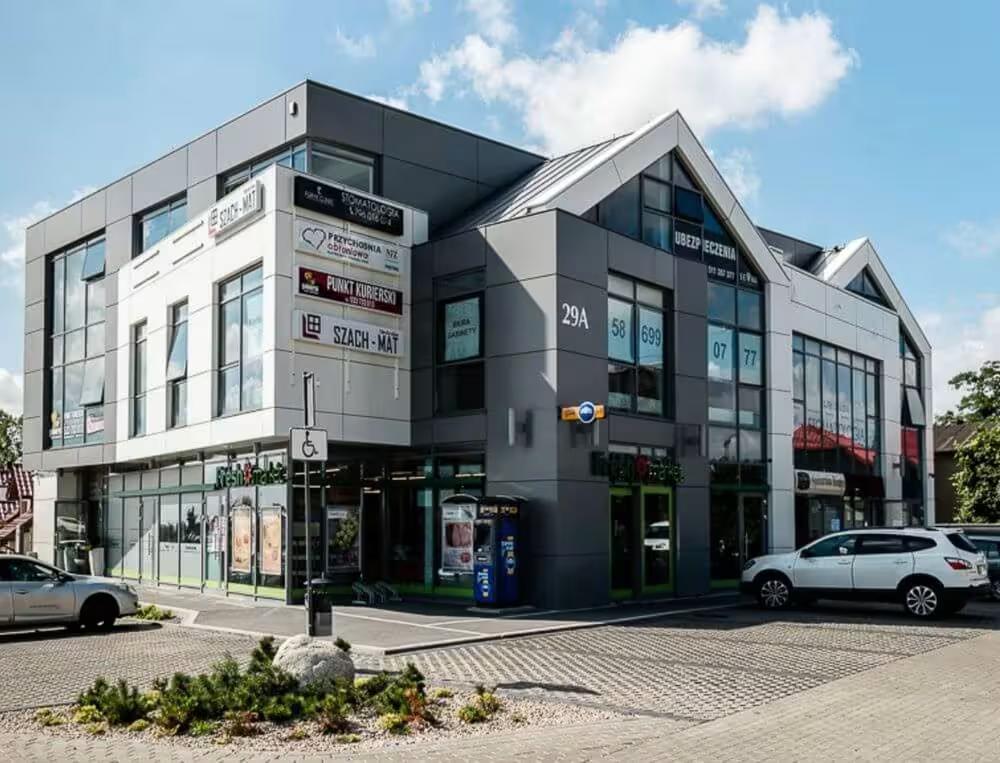 Jabłoniowa 29A/9, 80-175, Gdansk, Poland
Furyk Clinic Poland is a well-established dental hospital known for its dedication to high-quality dental care. With over 17 years of experience, the clinic has earned a strong reputation as a leading center for comprehensive dental treatments. Thousands of patients from around the world have entrusted their oral health to Furyk Clinic, benefiting from its expertise in teeth restoration and smile makeovers. As a sought-after destination for dental tourism in Poland, the clinic provides exceptional care at affordable rates.
Key Features of Furyk Clinic Poland
Furyk Clinic Poland has established itself as a trusted name in professional dental treatments, offering affordable yet high-quality care for patients worldwide. Its commitment to teeth restoration, smile makeovers, and dental implants makes it a top choice for those seeking reliable and effective dental solutions.
 Bankowa 5/7, 58-500 Jelenia Góra, Poland
KCM Clinic in Poland is a top private hospital, established in 2006. It is well known for bariatric surgery, orthopedic surgery, spine surgery, and plastic surgery in Poland. Every year, thousands of international patients choose KCM for safe, high-quality, and affordable medical care abroad. The clinic has ISO 9001 certification and is a Center of Excellence with Medtronic, Johnson & Johnson, Allianz, and BUPA.
KCM offers modern facilities, hotel-standard rooms, full rehabilitation, and travel help for patients coming from outside Poland. Prices are clear, reviews are verified, and patients can easily book top doctors online. The clinic also trains surgeons worldwide with live surgery workshops, making it a trusted center for advanced medical care.
With support from Best Clinic Abroad, patients get access to treatment abroad, clinics worldwide, and the best doctors in Poland. KCM Clinic is one of the most trusted hospitals for international patients looking for safe surgery and reliable treatment in Europe.
Advanced Technology & Facilities:
Key Services:
KCM Clinic is dedicated to delivering patient-focused, minimally invasive care. Backed by ISO 9001 certification and partnerships with Medtronic, Johnson & Johnson, and global insurers, the clinic consistently achieves excellent outcomes. It continues to raise healthcare standards in Poland by integrating advanced medical technology with personalized treatment in a modern, comfortable environment.

Poland has developed a well-regulated and steadily modernizing healthcare system that includes a strong network of dental clinics serving both domestic and international patients. Dental care in Poland operates under national health legislation and professional oversight from the Ministry of Health and relevant medical chambers, with clear standards for licensing, infection control, patient documentation, and clinical governance. In recent years, dental services across the country have continued to evolve through the adoption of digital diagnostics, chairside CAD/CAM systems, cone-beam CT imaging, and updated sterilization and patient-safety protocols aligned with international clinical governance principles referenced by organizations such as the World Health Organization.
Specialist dentists in Poland typically complete a formal medical or dental degree followed by structured postgraduate training in recognized dental subspecialties such as prosthodontics, oral and maxillofacial surgery, orthodontics, or periodontology. Licensing and professional registration are overseen by national medical and dental chambers, with requirements for continuing professional development and periodic recertification. Many dentists participate in international conferences and Continuing Medical Education (CME) programs, reflecting ongoing engagement with evidence-based practice and updated treatment methodologies.
Hospital and clinic infrastructure supporting dental treatment in Poland ranges from large university-affiliated medical centers to specialized dental clinics equipped with advanced imaging, digital planning software, and modern procedural suites. Academic hospitals often integrate dental departments within broader tertiary-care environments, allowing for collaboration with anesthesiology, radiology, and other specialties when needed. Across both public and private sectors, facilities operate within structured quality-assurance frameworks that emphasize informed consent, traceable documentation, and standardized infection-control processes.
In practice, international patients typically begin exploring dental treatment options by reviewing publicly available clinic information, accreditation status, and the scope of services offered. Hospitals and clinics commonly request prior dental records, recent radiographs, or treatment summaries to support an initial review before any appointment is scheduled. Communication with international patient departments often takes place via email or secure online portals, where administrative staff help clarify appointment availability, documentation requirements, and estimated timelines without providing medical advice. Patients and families commonly ask practical questions related to appointment duration, expected length of stay, and coordination of follow-up care after returning home.
For foreign patients, it is also important to consider logistical and regulatory factors alongside clinical planning. Entry into Poland for medical travel typically follows standard Schengen visa requirements, depending on nationality and length of stay. Dental procedures may require a short postoperative observation period, while more complex or staged treatments often involve multiple visits over several days or weeks. Although many clinics offer services in English, language barriers can still arise, and professional interpreters or bilingual coordinators are commonly available upon request. Planning for follow-up care after returning home is an important part of the overall process, and patients are generally advised to discuss continuity of care with both their treating dentist abroad and their local healthcare provider.
Dental treatment in Poland increasingly reflects the integration of modern technologies and structured safety frameworks commonly used across regulated European healthcare systems. Many clinics have adopted digital diagnostic tools such as intraoral scanners, cone-beam computed tomography (CBCT), and computerized treatment-planning software to support diagnostic accuracy and procedural precision. These technologies are used within established protocols for imaging safety, data protection, and documentation, helping clinicians plan care systematically and transparently.
Clinical practice is guided by national regulations and internationally referenced patient-safety standards, with strict protocols for infection control, sterilization, anesthesia administration, and postoperative monitoring. Dental facilities are required to maintain documented quality-assurance systems, and staff training typically includes regular updates on radiology safety, emergency preparedness, and procedural oversight. Informed consent is a mandatory component of care, and treatment plans are individualized based on professional clinical evaluation rather than standardized pathways.
Continuous professional development plays an important role in maintaining clinical standards. Dentists in Poland commonly participate in accredited CME activities, hands-on training workshops, and international scientific meetings to remain current with evolving techniques and materials. Overall, Poland is recognized at a country level for its structured regulatory environment, emphasis on patient safety, and ongoing modernization within dental care delivery.
Dental Implant Placement
Dental implant placement is performed to support fixed or removable prosthetic restorations where natural teeth are missing. The procedure typically involves pre-treatment assessment using digital imaging, such as CBCT scans, to evaluate bone structure and anatomical considerations. Implant placement follows standardized surgical protocols with attention to sterile technique, precise positioning, and clinical oversight. Safety measures include preoperative planning, intraoperative monitoring, and postoperative review to support functional oral rehabilitation.
CAD/CAM-Based Crowns and Bridges
Computer-aided design and computer-aided manufacturing (CAD/CAM) systems are commonly used to fabricate dental crowns and bridges. Digital impressions are taken using intraoral scanners, reducing the need for traditional impression materials. The design and milling process allow for an accurate fit and standardized material processing. Clinical protocols emphasize diagnostic accuracy, proper occlusal assessment, and controlled laboratory workflows under professional supervision.
Root Canal Treatment (Endodontic Therapy)
Root canal treatment addresses infection or inflammation within the tooth’s pulp chamber. In Poland, endodontic therapy often incorporates digital radiography, magnification systems, and rotary instrumentation to support precision and canal visualization. Treatment planning includes diagnostic imaging and assessment of tooth structure, while safety protocols focus on aseptic technique, controlled instrumentation, and follow-up evaluation.
Orthodontic Treatment with Fixed or Clear Appliances
Orthodontic care aims to correct malocclusion and alignment issues through controlled tooth movement. Diagnostic planning typically includes digital photographs, radiographs, and three-dimensional models. Both fixed braces and clear aligner systems are used within structured monitoring schedules. Clinical oversight involves periodic assessment of tooth movement, oral hygiene status, and appliance integrity, with adjustments made based on professional evaluation.
Periodontal Therapy
Periodontal therapy focuses on the management of gum and supporting-bone conditions. Diagnostic assessment may involve periodontal charting and imaging to evaluate bone levels. Treatment approaches include non-surgical scaling and root planing or, where indicated, surgical interventions. Infection-control protocols, patient monitoring, and documentation are integral components of periodontal care delivery.
Oral and Maxillofacial Surgical Procedures
Oral and maxillofacial surgery addresses conditions involving the jaws, facial bones, and surrounding structures. Procedures are planned using advanced imaging and multidisciplinary consultation when necessary. Surgical care follows hospital-grade safety standards, including anesthesia oversight, sterile operating environments, and postoperative monitoring focused on functional and anatomical objectives.
Medical University of Warsaw – Dental University Hospital
Accreditations:
National oversight by the Ministry of Health of Poland
University-affiliated teaching hospital
Specializations:
This academic dental hospital provides comprehensive dental and oral-health services within a university-based environment. Clinical activities include restorative dentistry, prosthodontics, orthodontics, and oral surgery, supported by research programs and interdisciplinary collaboration with medical specialties.
Jagiellonian University Medical College Dental Clinic, Kraków
Accreditations:
National regulatory oversight
University teaching affiliation
Specializations:
The clinic integrates dental education with patient care, offering services across general and specialized dentistry. Multidisciplinary teams support complex cases within a structured academic and research-oriented framework.
Poznań University of Medical Sciences – Dental Center
Accreditations:
Ministry of Health supervision
University hospital affiliation
Specializations:
This center provides a broad range of dental services, including prosthodontics, periodontology, and maxillofacial surgery. Care is delivered within a tertiary-care environment emphasizing evidence-based practice and clinical training.
Gdańsk Medical University Dental Clinics
Accreditations:
National healthcare regulation
Academic institutional oversight
Specializations:
Dental clinics associated with Gdańsk Medical University focus on diagnostic accuracy, restorative care, and oral surgery, supported by modern imaging facilities and academic research initiatives.
Lux Med Stomatologia, Warsaw
Accreditations:
National regulatory oversight
Specializations:
This specialized dental clinic provides comprehensive outpatient dental services, including implantology, prosthetic dentistry, and preventive care within a structured clinical governance framework.
Enel-Med Dental Clinics, Multiple Cities
Accreditations:
National healthcare regulation
Specializations:
Enel-Med dental facilities offer general and specialized dental services supported by standardized protocols, digital diagnostics, and coordinated care pathways across multiple locations.
Dentim Clinic, Katowice
Accreditations:
National regulatory supervision
Specializations:
Dentim Clinic focuses on advanced restorative and surgical dentistry, utilizing digital planning tools and multidisciplinary consultation within a regulated private-clinic setting.
| Procedure | Estimated Cost |
| Dental Implant (per implant) | $1,200–$2,000 |
| CAD/CAM Crown | $400–$800 |
| Root Canal Treatment | $250–$600 |
| Orthodontic Treatment (full course) | $2,500–$5,000 |
| Periodontal Therapy (per quadrant) | $300–$700 |
| Oral Surgical Extraction | $200–$500 |
Note: The prices listed above are approximate, non-binding estimates provided for general informational purposes only. Actual treatment costs may vary based on individual clinical requirements, diagnostic findings, treatment complexity, materials or technology used, physician expertise, facility type, and duration of care. Final pricing is determined only after a professional evaluation by a licensed specialist or accredited medical institution.
Poland’s dental care system operates within a clearly defined regulatory framework that emphasizes patient safety, professional accountability, and transparency. National oversight by the Ministry of Health and professional chambers establishes requirements for licensing, facility standards, and ongoing professional education. These structures help ensure that dental services are delivered within ethically governed and documented clinical environments.
Specialist training pathways and continuing education requirements support consistency in clinical practice. Dentists are expected to maintain up-to-date knowledge through CME activities and adherence to evidence-based guidelines. The widespread use of digital diagnostics, standardized sterilization systems, and electronic record-keeping contributes to traceability and quality assurance across dental services.
From a medical tourism perspective, Poland has established administrative processes that support international patients while maintaining regulatory safeguards. Government frameworks address patient rights, data protection, and professional liability, helping foreign patients understand how care is organized and monitored.
Restrictions and practical considerations:
Foreign patients may be subject to visa or stay-duration limitations depending on nationality. Some dental treatments require staged visits or postoperative monitoring, which can affect travel planning. Coordination of follow-up care after returning home remains an important consideration, as ongoing maintenance or adjustments may be required in the patient’s local healthcare system.
Best Clinic Abroad acts as a medical travel facilitator that helps patients understand how to navigate cross-border dental care in a structured and informed way. It does not provide medical treatment, make diagnoses, or influence clinical decisions, which remain entirely the responsibility of licensed dentists and accredited hospitals. Its role focuses on coordination and clarity rather than medical guidance.
➤ Hospital coordination – Support communication and coordination with accredited hospitals
➤ Appointment support – Assist with scheduling and organizing consultations
➤ Communication assistance – Help patients understand next steps without replacing medical advice
➤ Logistical guidance – Offer non-clinical support related to travel planning
Patients who wish to better understand the administrative and coordination aspects of seeking dental treatment in Poland may choose to engage with Best Clinic Abroad to explore available options and next steps.
Is dental treatment in Poland regulated and safe for international patients?
Yes. Dental treatment in Poland is delivered within a nationally regulated healthcare system overseen by the Ministry of Health and professional medical chambers. Clinics follow standardized infection-control protocols, licensing requirements, and patient-safety frameworks aligned with international clinical governance principles. As an international patient, you can expect care to be provided within these established regulatory structures.
Do clinics in Poland assist international patients with visas and travel documentation?
Dental clinics typically do not issue visas, but international patient departments often provide supporting documents such as appointment confirmations or treatment summaries that may be used during visa applications. You are generally responsible for meeting entry requirements, and it is common to review visa regulations well in advance of travel.
Can I have an online consultation before traveling for dental treatment, and how does Best Clinic Abroad support this?
Online consultations are commonly used for preliminary case review and administrative discussion. Best Clinic Abroad, as a medical travel facilitator, can help coordinate online consultation requests with suitable clinics abroad by assisting with document submission and communication. The consultation itself and all clinical decisions remain the responsibility of the treating dental professionals.
Will language be a barrier when receiving dental treatment in Poland?
Many dental clinics that treat international patients offer services in English, and professional interpreters are often available if needed. It is common for international patient departments to clarify language support options in advance, helping you feel prepared for consultations and administrative discussions.
Disclaimer: This content is provided for informational purposes only and does not constitute medical advice. It reflects non-clinical observation of healthcare coordination processes and institutional practices in Poland and does not represent direct medical practice. Diagnosis and treatment decisions should always be made in consultation with a licensed medical specialist based on individual clinical evaluation.
Last updated: January 2026








 Dr. Kamil Szewczyk
 Dental Treatment


