









Bestclinicabroad
Connect with the world's Best Clinic and doctors at Best Clinic Abroad. Your well-being is our priority, with personalized care every step of the way.


Connect with the world's Best Clinic and doctors at Best Clinic Abroad. Your well-being is our priority, with personalized care every step of the way.



 South Korea, Seoul, Daesagwan-ro, 59, Hannam-dong, Yongsan-gu
Soon Chun Hyang University Hospital is a leading medical facility and the flagship branch of the Soon Chun Hyang University Medical Center Network. Established as the first Korea Medical Corporation, it aims to promote wellness and respect for humanity. The hospital network is renowned globally, treating over 100,000 patients in the last decade and earning the title of one of the best healthcare centers in South Korea and the world.
Advanced Technology & Facilities
Key Services


 South Korea, Busan, Saha-gu, Dadae-ro 145
Kang Dong Hospital, located in Busan, South Korea, is a well-regarded orthopedic hospital specializing in a wide range of treatments, including joint replacement surgery in Korea and spine surgery in South Korea. Established in 1993, Kang Dong Hospital has built a strong reputation for offering comprehensive care for musculoskeletal disorders. Kang Dong Hospital is officially recognized by the Ministry of Health and Welfare as a healthcare provider for international patients, making it a top choice for medical tourism in South Korea.
Key Features and Achievements
Each year, Kang Dong Hospital performs more than 4,000 orthopedic surgeries, making it one of the best hospitals for orthopedics in Asia. Its dedication to continuous improvement, patient care, and medical advancements ensures Kang Dong Hospital remains a trusted choice for both local and international patients seeking affordable orthopedic surgery in South Korea.

 South Korea, Seoul, 88, OLYMPIC-RO 43-GIL, SONGPA-GU,
Asan Medical Center South Korea is one of the largest and most well-respected healthcare institutions in South Korea. Established 32 years ago, Asan Medical Center serves as the flagship hospital of the ASAN Foundation, which has been actively involved in social welfare, medical support, scholarships, and research initiatives since 1977. Asan Medical Center spans 280,000 square meters, housing 2,764 patient beds, and provides medical care to approximately 926,794 inpatients and 13,260 outpatients daily.
Key Features of Asan Medical Center
With its strong emphasis on patient care, research, and medical advancement, Asan Medical Center South Korea is recognized as one of the best hospitals in South Korea. Its dedication to innovation, collaboration, and comprehensive healthcare solutions makes Asan Medical Center a preferred choice for international patients seeking top-quality treatments in Seoul.
 1071, Anyangjeon-roh, Yangcheon-gu, Seoul, 07985, Korea
Established in 1887, Ewha Womans University Medical Center (EUMC) has grown into one of South Korea’s most respected hospitals, blending over a century of academic excellence with compassionate, patient-first care. With its main campus in Seoul, Ewha is known for its advanced treatment facilities and a strong commitment to women's health and beyond. Internationally recognized for quality, the hospital continues to serve patients from across the globe through top-tier medical and surgical services, earning trust through a balanced combination of innovation, safety, and a warm approach to healthcare.
Advanced Technology & Amenities
Key Services
Ewha Womans University Medical Center continues to lead with compassion, skill, and science, providing high-standard healthcare to every patient, whether for a general check-up or life-saving treatment.
 South Korea, 26, Daesingongwon-ro, Seo-gu, Busan
Established in March 1990, Dong-A University Hospital is a renowned multispecialty medical center in Busan, South Korea. The hospital is committed to providing high-quality healthcare services, integrating advanced medical technologies with a team of highly skilled specialists. Dong-A University Hospital accommodates over 1,000 inpatient beds and operates 30 specialized centers along with 36 clinical departments, ensuring comprehensive medical care across various fields.
Dong-A University Hospital is widely recognized for its commitment to innovation and excellence in medical treatment. The hospital actively engages in international medical collaborations and has provided healthcare services at major global events like the Asian Games and the FIFA World Cup. Its team of more than 1,700 medical professionals undergoes advanced training at top institutions worldwide, ensuring the highest standards of patient care.
Dong-A University Hospital is strategically located in Southern Busan, surrounded by numerous cafes, restaurants, and shops. Its convenient access—within an hour’s drive from the city center and Gimhae International Airport—ensures seamless travel for both local and international patients. The hospital’s dedication to medical excellence and patient-centered care continues to solidify its reputation as a leading healthcare provider in South Korea and beyond.
 731 Eonju-ro, Nonhyeon-dong, Gangnam-gu, Seoul, Republic of Korea
Founded in 2003, Nanoori Hospital has become one of South Korea’s leading specialty hospitals for spine and joint care. Recognized by the Ministry of Health and Welfare as a Spine Specialty Hospital, Nanoori is renowned for treating complex spinal disorders, performing minimally invasive neurosurgical procedures, and delivering advanced orthopedic treatments.
The hospital operates multiple branches in Seoul, Incheon, and Suwon, serving nearly 60,000 patients each year. Its clinical expertise spans neurosurgery, orthopedic surgery, joint replacement, arthroscopy, and pain management. By focusing on minimally invasive approaches, Nanoori helps patients recover faster and with fewer complications.
For international patients, Nanoori offers comprehensive support through its global care department. Services include multilingual interpretation in English, Russian, and Mongolian, airport transfers, hotel and accommodation arrangements, and personalized concierge care. These facilities make Nanoori Hospital a trusted choice for patients worldwide seeking advanced orthopedic and spine solutions.
● Minimally invasive surgical platforms - Specialized equipment for endoscopic and laparoscopic spine and joint surgeries, designed to reduce hospital stays and improve recovery times.
● Robotic navigation systems - Advanced surgical navigation and robotic guidance tools used for precision in spinal fusion, joint replacement, and complex orthopedic procedures.
● High-resolution imaging - MRI, CT, and digital X-ray systems available on-site for accurate diagnosis and monitoring.
● Pain management center - Equipped with advanced fluoroscopy and nerve-block systems for targeted, non-surgical treatments.
● International patient support unit - Dedicated team providing translation, accommodation coordination, and airport transfers to assist medical travelers.
● Comfort-focused infrastructure - VIP recovery rooms, modern rehabilitation gyms, and free Wi-Fi to enhance patient comfort.
● Spine neurosurgery - Treatment of disc herniation, spinal stenosis, scoliosis, and degenerative spinal diseases.
● Orthopedic surgery - Joint replacement, arthroscopy, fracture repair, and sports medicine.
● Pain clinic services - Non-surgical pain management including nerve blocks and minimally invasive injections.
● Rehabilitation medicine - Customized physiotherapy and post-surgical rehabilitation programs.
● Diagnostic radiology - Comprehensive imaging and diagnostics supporting all departments.
● International patient coordination - End-to-end assistance with travel, interpretation, and medical scheduling for global patients.
 1548-7 Guwol-dong, Namdong-gu, Incheon, South Korea
Founded in 1995, AIN Hospital is one of South Korea’s premier medical institutions specializing in women’s health, infertility, and minimally invasive surgery. Designated by the Ministry of Health and Welfare as the only obstetrics and gynecology hospital in Incheon, AIN has earned a reputation for its excellence in childbirth, advanced fertility treatments, and women-focused medical care.
The hospital operates a wide range of centers, including infertility/IVF, high-intensity focused ultrasound (HIFU), laparoscopic surgery, orthopedics, spine and joint surgery, general surgery, digestive cancer treatment, and obesity management. Its modern infrastructure integrates robotic surgical systems such as the da Vinci Xi and SP, Mako robotic surgery, and 3.0T MRI scanners.
For international patients, AIN Hospital provides comprehensive care coordination with multilingual support in English, Russian, and Mongolian. With its balance of affordability and world-class expertise, it attracts patients seeking advanced women’s health services and fertility solutions abroad. South Korea’s growing reputation as a hub for medical tourism is reinforced by hospitals like AIN that align their clinical practices with global standards promoted by the World Health Organization.
Advanced Technology & Amenities
● Robotic-assisted surgery systems - AIN Hospital is equipped with advanced da Vinci Xi & SP systems and Mako robotic platforms, enabling precise minimally invasive surgeries with faster recovery.
● High-resolution imaging - 3.0T MRI, CT, and digital ultrasound provide accurate diagnostics across all specialties.
● HIFU (High-Intensity Focused Ultrasound) - A non-invasive treatment option for uterine fibroids and other gynecological conditions, reducing the need for traditional surgery.
● Dedicated IVF & fertility labs - Advanced embryology labs designed for high success rates in in vitro fertilization.
● Comprehensive ICUs - Adult, neonatal, and surgical intensive care units for complex cases.
● International patient department - Multilingual coordinators assist with appointments, translation, and recovery planning, making care seamless for foreign patients.
Key Services
● Obstetrics & gynecology - Prenatal monitoring, high-risk pregnancy care, and delivery supported by NICU facilities.
● Infertility & IVF - Comprehensive fertility treatments including IVF, ICSI, and cryopreservation, supported by advanced reproductive technologies.
● Minimally invasive surgery - Laparoscopic and robotic-assisted surgeries for gynecological, general, and orthopedic procedures.
● Orthopedics & spine care - Joint replacements, spinal surgery, sports medicine, and rehabilitation programs.
● Digestive cancer center - Early screening, surgical oncology, and integrated cancer care.
● Obesity & metabolic treatments - Surgical and non-surgical weight management programs.
● Women’s health programs - Preventive screenings, hormone therapies, and chronic disease management tailored for women.
● Emergency care - 24/7 emergency unit with direct access to imaging and surgical teams.




.avif&w=3840&q=100)



South Korea is internationally recognized for its advanced general surgery services, supported by a robust healthcare system, modern hospital infrastructure, and strict government regulation. Leading general surgery clinics in South Korea operate within highly standardized clinical frameworks that prioritize patient safety, ethical medical practice, and evidence-based care. Surgeons are required to complete extensive training, maintain board certification, and comply with national licensing standards regulated by the Ministry of Health and Welfare. Many top hospitals are affiliated with university medical centers and tertiary care institutions, ensuring multidisciplinary collaboration and access to advanced diagnostic and surgical resources.
Internationally oriented general surgery clinics in South Korea often adhere to globally recognized healthcare accreditation standards such as Joint Commission International (JCI) or equivalent quality management systems. These frameworks reflect consistent clinical protocols, infection prevention measures, anesthesia safety standards, and postoperative care guidelines. The scope of general surgery commonly includes gastrointestinal surgery, hepatobiliary surgery, colorectal surgery, hernia repair, thyroid surgery, and emergency surgical care. Clinical decision-making is guided by validated medical guidelines and individualized patient assessment rather than procedural volume or non-medical trends.
Key strengths of general surgery care in South Korea include high procedural success rates, access to experienced specialists, and cost transparency when compared with many other developed medical destinations. Clinics treating international patients typically offer structured care coordination, including preoperative evaluation, diagnostic imaging, language interpretation services, and postoperative follow-up planning. Emphasis is placed on informed consent, clear explanation of treatment options, and risk disclosure in line with ethical medical practice. Long-term follow-up may be supported through teleconsultations or coordinated care with providers in the patient’s home country, ensuring continuity of care after discharge.
South Korea has integrated a wide range of modern general surgery techniques within a highly regulated healthcare environment that emphasizes patient safety, surgical precision, and clinical accountability. Hospitals follow national surgical safety standards and align with international best practices recommended by global health authorities for anesthesia management, infection control, and perioperative care. General surgeons typically undergo fellowship training in subspecialties and participate in continuous professional development, supporting evidence-based surgical planning and appropriate patient selection.
Contemporary general surgery in South Korea is characterized by the widespread use of minimally invasive and laparoscopic techniques, supported by high-resolution imaging, robotic-assisted systems, and advanced energy devices where clinically indicated. These technologies are applied to reduce surgical trauma, shorten hospital stays, and support functional recovery while maintaining strict safety protocols. Surgical care is delivered within multidisciplinary teams involving anesthesiologists, radiologists, pathologists, nursing staff, and rehabilitation specialists.
International patients benefit from coordinated treatment pathways that include thorough preoperative assessments, transparent cost estimates, and clearly defined postoperative care plans. Hospitals prioritize medical appropriateness, realistic outcome expectations, and long-term health considerations over procedural standardization. South Korea’s reputation as a medical tourism destination is supported by clinical quality, regulatory oversight, and patient-centered care rather than solely by affordability or procedural volume.
Appendectomy
Appendectomy is a common general surgical procedure performed to treat acute appendicitis and prevent complications such as perforation or rupture. In South Korea, appendectomy is frequently performed using laparoscopic techniques, allowing for smaller incisions, reduced postoperative pain, and faster recovery when clinically appropriate. Procedures are conducted under standardized anesthesia and surgical safety protocols, with careful postoperative monitoring to support uncomplicated healing.
Hernia Repair
Hernia repair addresses weaknesses in the abdominal wall that may cause pain, discomfort, or risk of complications. South Korean hospitals commonly perform both open and laparoscopic hernia repair, with technique selection based on hernia type, patient health status, and surgical history. The use of approved mesh materials and evidence-based surgical approaches aims to reduce recurrence risk and support long-term outcomes. Preoperative counseling includes discussion of recovery expectations and activity modification.
Gallbladder Surgery (Cholecystectomy)
Cholecystectomy is performed to treat gallstones or gallbladder inflammation that causes pain or digestive complications. In South Korea, laparoscopic cholecystectomy is the standard approach for suitable patients, offering shorter hospital stays and quicker return to daily activities. Surgeons follow established clinical guidelines for patient selection, intraoperative safety, and postoperative care, with attention to minimizing surgical risks and managing comorbid conditions.
Colorectal Surgery
Colorectal surgery addresses conditions affecting the colon, rectum, and anus, including benign disorders and malignant disease. South Korean general surgery departments integrate advanced diagnostic imaging, pathology services, and minimally invasive techniques to support accurate disease management. Treatment planning often involves multidisciplinary teams to ensure appropriate surgical intervention, postoperative rehabilitation, and long-term surveillance when required.
Thyroid Surgery
Thyroid surgery is performed to manage thyroid nodules, hyperthyroidism, or thyroid cancer when indicated. In South Korea, surgeons apply meticulous surgical techniques designed to preserve surrounding structures and support functional outcomes. Preoperative evaluation includes imaging and laboratory testing to ensure accurate diagnosis and appropriate surgical planning. Postoperative care focuses on monitoring hormone levels and supporting recovery in accordance with established endocrine surgery guidelines.
Accreditations:
Joint Commission International (JCI), supervised by the Ministry of Health and Welfare of South Korea, is a university teaching hospital affiliated with the University of Ulsan College of Medicine, a nationally recognized tertiary referral center.
Specializations:
Asan Medical Center provides advanced general surgery services within a high-volume tertiary-care environment. Core areas include hepatobiliary and pancreatic surgery, colorectal surgery, gastric and esophageal surgery, minimally invasive and robotic surgery, endocrine surgery, and complex abdominal procedures. The hospital is internationally known for evidence-based surgical protocols, multidisciplinary tumor boards, and outcomes-driven care for complex surgical conditions.
Seoul National University Hospital
Accreditations:
Joint Commission International (JCI); government-funded national university hospital; regulated under South Korea’s national healthcare system; teaching hospital affiliated with Seoul National University College of Medicine.
Specializations:
Seoul National University Hospital delivers comprehensive general and gastrointestinal surgery services supported by academic research and national clinical guidelines. Specialties include colorectal surgery, upper gastrointestinal surgery, hepatobiliary surgery, endocrine surgery, and minimally invasive laparoscopic procedures. The hospital is widely regarded for its role in surgical education, clinical research, and complex case management.
Accreditations:
Joint Commission International (JCI); teaching hospital under Yonsei University College of Medicine; accredited and regulated by South Korean national healthcare authorities.
Specializations:
Severance Hospital offers advanced general surgery care with subspecialized divisions including gastrointestinal surgery, colorectal surgery, hepatopancreatobiliary surgery, breast and endocrine surgery, and minimally invasive techniques. Surgical care is delivered through a multidisciplinary model integrating oncology, radiology, pathology, and critical care, ensuring patient-centered and outcomes-focused treatment.
Accreditations:
Joint Commission International (JCI), affiliated with Sungkyunkwan University School of Medicine, and regulated by South Korea’s Ministry of Health and Welfare.
Specializations:
Samsung Medical Center is a leader in high-precision general surgery, offering advanced laparoscopic and robotic surgical procedures. Key focus areas include colorectal cancer surgery, gastric cancer surgery, hepatobiliary surgery, endocrine surgery, and complex abdominal operations. The center is known for adopting innovative surgical technologies and adhering to international clinical safety standards.
Accreditations:
Joint Commission International (JCI); fully licensed and regulated by South Korean healthcare authorities; specialty hospital designation with international patient services.
Specializations:
ID Hospital provides general surgical procedures within a regulated specialty-hospital framework, with a focus on minimally invasive abdominal surgery, gastrointestinal procedures, hernia repair, and elective general surgery. The hospital emphasizes patient safety, transparent treatment planning, and coordinated care for international patients seeking treatment in South Korea.
Cost of General Surgery Procedures in South Korea
| Procedure | Cost |
| Robotic-Assisted Surgery | $12,000 - $18,000 |
| Laparoscopic Surgery | $8,000 - $12,000 |
| Hernia Repair Surgery | $3,500 - $4,500 |
| Colorectal Surgery | $10,000 - $14,000 |
| Bariatric Surgery | $6,000 - $10,000 |
| Thyroid and Endocrine Surgery | $4,000 - $5,000 |
| Oncological Surgery | $18,000 - $22,000 |
| Cholecystectomy | $3,500 - $4,500 |
| Liver Surgery | $18,000 - $22,000 |
| Pancreatic Surgery | $12,000 - $18,000 |
| Emergency Surgeries | $2,500 - $3,500 |
Note: The prices listed above are approximate, non-binding estimates provided for general informational purposes only. Actual treatment costs may vary based on individual clinical requirements, diagnostic findings, treatment complexity, materials selected, the dentist's expertise, facility type, and the duration of care. Final pricing is determined only after a professional dental examination by a licensed dentist or accredited dental hospital.
South Korea is internationally recognized as a highly regulated destination for general surgery, supported by a nationally governed healthcare system, strict licensing requirements, and hospital-based surgical care. All hospitals and clinics providing general surgical procedures operate under national medical laws, with surgeons required to hold accredited medical degrees, complete residency trainingand be professionally registered. This regulatory framework is particularly important for international patients seeking safe, ethical, and transparent surgical care abroad.
General surgeons in South Korea undergo extensive education, including medical school, multi-year surgical residency programs, and mandatory continuing medical education. Many surgeons have international clinical exposure or fellowship training, which contributes to familiarity with global treatment protocols and evidence-based surgical practices. General surgery care is commonly delivered within multidisciplinary hospital environments, allowing collaboration with anesthesiology, radiology, internal medicine, intensive care, and pathology departments when required.
Hospitals offering general surgery in South Korea are equipped with modern operating theaters, advanced diagnostic imaging, minimally invasive and laparoscopic technologies, and comprehensive anesthesia monitoring systems. Infection control policies, perioperative safety checklists, and standardized clinical protocols are routinely implemented to support patient safety and continuity of care, without implying guaranteed outcomes.
From a medical tourism perspective, South Korea is often viewed as a cost-efficient option for general surgery when compared with several Western healthcare systems. Depending on the procedure, facility, and length of hospitalization, international patients may observe estimated cost differences of approximately 40–60%. These differences are typically attributed to healthcare system structure and operational efficiencies rather than reduced quality of care. Transparent treatment plans and itemized cost estimates support informed financial planning.
Shorter waiting times for consultations and elective general surgery procedures are another practical consideration. Many hospitals operate dedicated international patient centers that coordinate preoperative evaluations, diagnostics, surgical scheduling, and postoperative follow-up. This organized approach can be especially beneficial for patients traveling abroad who need predictable timelines for surgery and recovery.
Although South Korea follows its own national healthcare regulations rather than EU medical law, many hospitals align internal policies with internationally recognized patient safety and ethical care principles. Emphasis on informed consent, evidence-based decision-making, realistic expectations, and postoperative monitoring supports responsible medical tourism for general surgery patients.
Arranging general surgery in another country can feel complex, especially when procedures require careful evaluation, pre-operative planning, and follow-up care. Best Clinic Abroad works only as a medical travel support service, helping patients understand how to access general surgery care in South Korea. The company does not provide medical treatment, make diagnoses, or recommend surgical procedures. All clinical decisions are made by licensed general surgeons.
➤ Hospital coordination – Help patients connect with accredited hospitals and general surgery departments in South Korea
➤ Appointment support – Assist with arranging consultations and evaluations with licensed general surgeons
➤ Communication assistance – Help patients understand general hospital processes and information requests without replacing medical advice
➤ Logistical guidance – Provide non-medical support related to travel planning and coordination
If you would like general information about how general surgery clinic coordination typically works or what details medical centers may request, you can choose to contact Best Clinic Abroad for informational support.
Yes. South Korea operates under a nationally regulated healthcare system where hospitals and clinics providing general surgery must be licensed and regularly monitored. General surgeons are required to complete formal medical education, accredited surgical residency training, and ongoing professional development. Many large hospitals also follow internationally recognized patient safety standards and surgical protocols.
South Korea is known for its well-structured hospital systems, advanced surgical infrastructure, and strong emphasis on evidence-based medicine. The availability of minimally invasive and laparoscopic techniques, multidisciplinary hospital care, and dedicated international patient services contributes to its popularity for general surgery among overseas patients.
The cost of general surgery in South Korea varies depending on the type of procedure, surgical complexity, hospital setting, length of stay, and individual medical needs. In many cases, costs are lower than in Western countries due to system-level efficiencies, not reduced clinical standards. Final costs are typically provided after medical evaluation and should be considered individualized estimates rather than fixed prices.
Yes. Licensed general surgeons in South Korea must complete accredited medical education and surgical residency programs. Board certification indicates that the surgeon meets national professional standards and is qualified to perform general surgical procedures within regulated healthcare facilities.
Most hospitals offering general surgery have structured postoperative care pathways, including inpatient monitoring, follow-up appointments, and discharge planning. International patient departments often assist with the coordination of follow-up care and communication before patients return to their home country.
Medical Disclaimer:
This content is provided for informational purposes only and does not constitute medical advice. Diagnosis and treatment decisions should be made in consultation with a licensed medical specialist based on individual clinical evaluation.
Last updated: January 2026

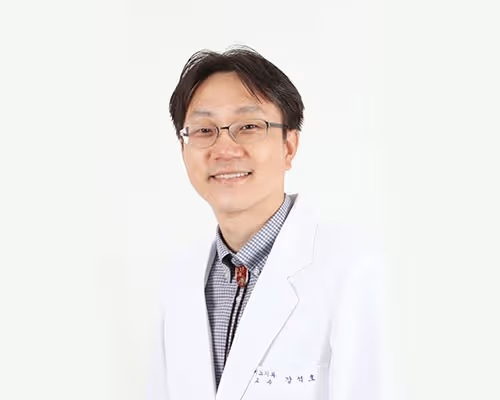
 Dr. Um Soon Ho
 General Surgery
.avif&w=3840&q=75)


