








Bestclinicabroad
Connect with the world's Best Clinic and doctors at Best Clinic Abroad. Your well-being is our priority, with personalized care every step of the way.


Connect with the world's Best Clinic and doctors at Best Clinic Abroad. Your well-being is our priority, with personalized care every step of the way.


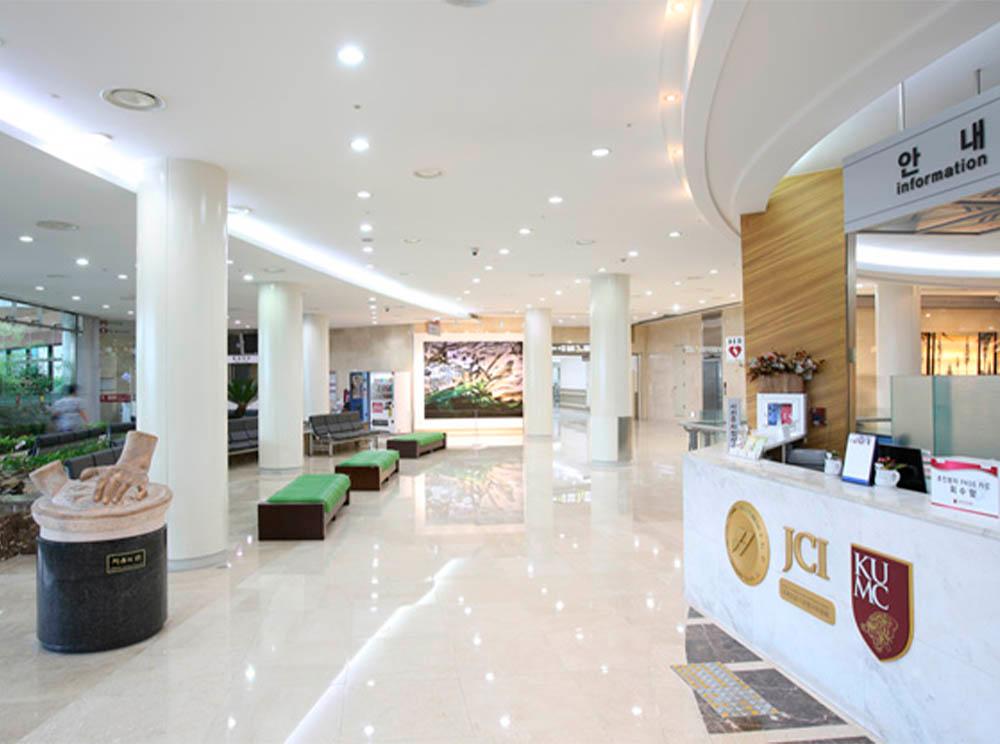
 South Korea, Seoul, Seongbuk-gu, Anam-dong, 고려대로 73
Established as a leading multidisciplinary medical center, Korea University Anam Hospital is a prominent healthcare institution in South Korea. Since its expansion with a new building in 2005, the hospital has strengthened its reputation internationally. Known for patient-centered care, the hospital serves both local and international patients with excellence across 42 specialized departments. Korea University Anam Hospital is also recognized for its eco-friendly initiatives and state-of-the-art medical technologies.
Advanced Technology & Facilities
Key Services
With its commitment to excellence and innovation, Korea University Anam Hospital continues to stand out as a premier healthcare provider in South Korea.


 South Korea, Seoul, 612, Seolleung-ro, Gangnam-gu, MAP
Founded in 2004, Cheongdam Oracle Clinic is a renowned medical center in South Korea, specializing in dermatology and plastic surgery. As part of the Oracle Medical Group, the clinic operates within a vast network of over 70 branches across different countries. It is highly recognized for its innovative treatments and commitment to excellence in aesthetic medicine.
Cheongdam Oracle Clinic is home to a team of more than 80 experienced dermatologists and plastic surgeons who provide a wide range of surgical and non-surgical procedures. The clinic integrates advanced medical technology with personalized treatment plans to ensure optimal results for each patient.
Advanced Technology & Facilities
Key Services
Cheongdam Oracle Clinic continues to be a trusted destination for high-quality aesthetic treatments, ensuring excellent patient outcomes through innovation and expertise in dermatology and plastic surgery.
 South Korea, Seoul, 14th and 15th floors, address 108, Toesun-ro, Gangnam-gu
Established in 2001, Cheongdam Deesse Plastic Surgery Clinic has garnered recognition for its high-quality medical services and personalized approach. The clinic offers a comprehensive range of aesthetic procedures, including eye surgery, rhinoplasty, facial contouring, breast augmentation, and anti-aging treatments. With a team of highly skilled plastic surgeons, the clinic is dedicated to delivering top-notch medical services and ensuring patient satisfaction. The facility integrates modern research with high-quality patient care, ensuring innovative treatment approaches and advanced medical technologies. Catering to both local and international patients, Cheongdam Deesse Plastic Surgery Clinic emphasizes a patient-centered approach, providing individualized treatment plans tailored to each patient's unique needs.
Advanced Technology & Facilities
Key Services at Cheongdam Deesse Plastic Surgery Clinic
Cheongdam Deesse Plastic Surgery Clinic is a pioneer in aesthetic excellence, combining research-driven healthcare, innovative treatments, and compassionate patient care, making it a top destination for specialized cosmetic services worldwide.
 South Korea, Seoul, 107, Bongeunsa-ro, Gangnam-gu
View Plastic Surgery is a well-established plastic surgery clinic in Seoul. Founded in 2005, It has built a strong domestically and internationally reputation, attracting patients from around the world. The clinic is housed in a 19-floor modern facility and is recognized as a SAFE plastic surgery hospital, ensuring high safety standards for all procedures.
Key Highlights of View Plastic Surgery Hospital
With its commitment to patient safety, advanced procedures, and international recognition, View Plastic Surgery Hospital remains a trusted choice for those seeking high-quality cosmetic enhancements in South Korea.
 South Korea, Seoul, 517 Nonhyeon-ro, Yeoksam-dong, Gangnam-gu, Seoul, South Korea
Banobagi Plastic and Aesthetic Clinic is a leading center for cosmetic and reconstructive procedures in South Korea, known for its high-quality services and patient-centric approach. Founded by four Seoul University alumni in 2000, the clinic officially adopted the name Banobagi Plastic Surgery Clinic Korea in 2007. A major renovation in 2013 expanded its surgical units and modernized its facilities to enhance patient care. The clinic attracts a global clientele, with most European and Asian visitors. Banobagi ensures comprehensive support for international patients, offering transportation, visa arrangements, and accommodation assistance. The clinic also provides complimentary meals during treatment, making the patient experience as comfortable as possible. Banobagi Plastic and Aesthetic Clinic is associated with multiple insurance providers and offers telemedicine services for preliminary consultations. However, surgeons recommend an in-person visit to finalize procedures for the best results. During online consultations, patients can discuss their goals and potential interventions with experienced surgeons.
Services Offered
Key Features
For those seeking world-class aesthetic care, Banobagi Plastic and Aesthetic Clinic remains a top choice in South Korea.

 South Korea, Seoul, Daesagwan-ro, 59, Hannam-dong, Yongsan-gu
Soon Chun Hyang University Hospital is a leading medical facility and the flagship branch of the Soon Chun Hyang University Medical Center Network. Established as the first Korea Medical Corporation, it aims to promote wellness and respect for humanity. The hospital network is renowned globally, treating over 100,000 patients in the last decade and earning the title of one of the best healthcare centers in South Korea and the world.
Advanced Technology & Facilities
Key Services
 South Korea, Seoul, 102 Heukseok-ro, Heukseok-dong, Dongjak-gu, Seoul, South Korea
Chung-Ang University Hospital, located in Seoul, South Korea, is a world-class healthcare provider renowned for its multidisciplinary approach and advanced medical services. Established in 1968, the hospital is funded by the Doosan Corporation, enabling continuous upgrades in technology, research, and patient care. Spanning over 78,965.53㎡, it features two ultra-modern buildings and offers 23 specialized departments, including cardiology, gastroenterology, and spinal surgery.
Advanced Technology & Facilities
Key Services
Chung-Ang University Hospital continues to be a pioneer in healthcare, combining advanced technology, a highly skilled team, and patient-centric services. Its reputation as a leading medical institution in South Korea is solidified by its innovative treatment approaches and outstanding patient outcomes.
 South Korea, Incheon, Namdong-gu, Yesul-ro 126, LINK 126
Guwol Oracle Dermatology & Plastic Surgery Clinic is a trusted dermatology clinic in Incheon, South Korea, providing high-quality treatments for both local and international patients. Specializing in skin care treatments and cosmetic procedures, Guwol Oracle Dermatology & Plastic Surgery Clinic is known for its team of professional dermatologists in Korea and experienced plastic surgeons. With modern medical techniques and a patient-centered approach, Guwol Oracle Clinic offers comprehensive skin care and aesthetic surgery in Incheon, helping individuals achieve their beauty and wellness goals.
Key Services & Specialties
Key Highlights of Guwol Oracle Dermatology & Plastic Surgery Clinic
Whether for plastic surgery for international patients, non-surgical beauty treatments, or advanced skincare, Guwol Oracle Dermatology & Plastic Surgery clinic prioritizes safety, comfort, and effective results.
 South Korea, Seoul, 1306-6 Seocho 4(sa)-dong, Seocho-gu
Wonjin Plastic Surgery Clinic is a renowned medical center in South Korea, specializing in plastic surgery, dermatology, cosmetic procedures, and dental treatments. With a mission to enhance and preserve natural beauty, the clinic attracts international patients from the US, UK, Canada, and beyond. Wonjin's highly skilled team provides personalized consultations and treatments using advanced technology and the latest aesthetic advancements to deliver safe, precise, and natural-looking results. Holistic approach
Advanced Technology & Facilities
Key Services
Wonjin Plastic Surgery Clinic is dedicated to offering world-class aesthetic solutions with a strong emphasis on patient safety, comfort, and natural results. Combining expertise, advanced technology, and exceptional care, the clinic remains a leading choice for cosmetic procedures in Korea.
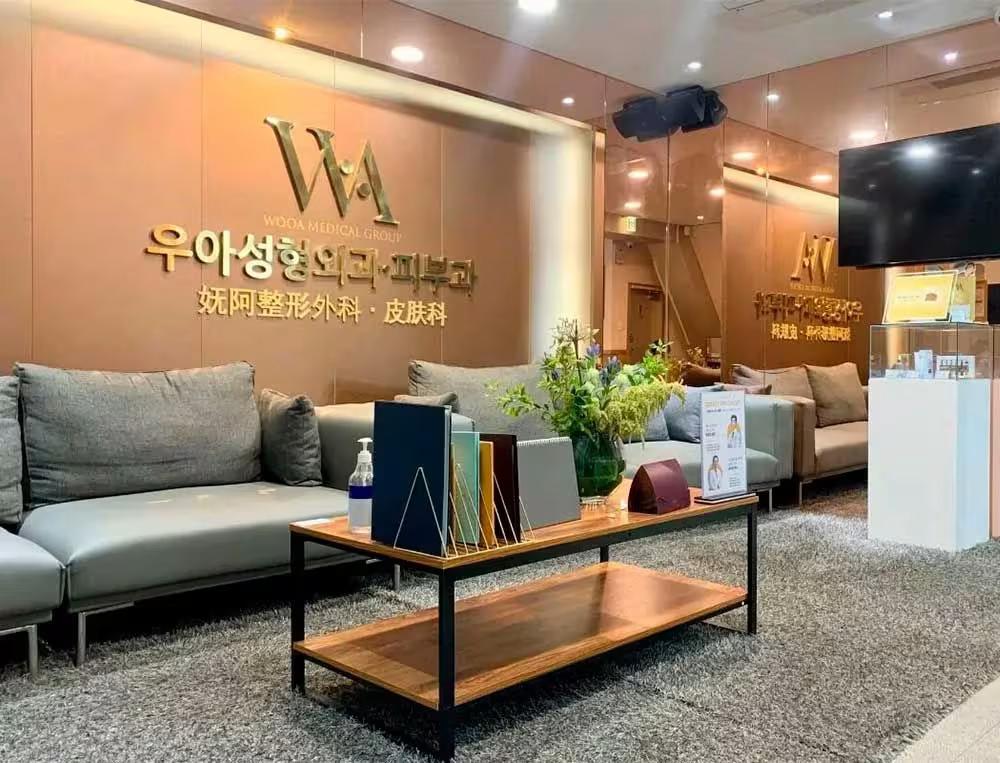 South Korea, Seoul, Gangnam-gu, Nonhyeon-ro, 825 우아성형외과
Wooa Plastic Surgery & Dermatology Clinic is a well-known plastic surgery and dermatology clinic in South Korea, recognized for its excellence in cosmetic surgery in Seoul. With 20 years of experience, Wooa Plastic Surgery & Dermatology Clinic has established itself as a leading specialized clinic in the country. The expertise of Wooa’s plastic surgeons has gained international recognition, drawing numerous medical tourists seeking top plastic surgeons in Korea for various procedures.
Key Highlights of Wooa Clinic
With Wooa Plastic Surgery & Dermatology Clinic’s commitment to quality care and a global reputation for plastic surgery and dermatology, Wooa Plastic Surgery & Dermatology Clinic continues to be a trusted destination for medical tourists seeking top plastic surgeons in Korea and expert dermatological treatments.





.avif&w=3840&q=100)


South Korea is widely recognized for its specialization in plastic and reconstructive surgery, supported by a mature healthcare system, advanced hospital infrastructure, and strict medical regulation. Leading plastic surgery clinics in South Korea operate within a highly competitive environment that emphasizes surgeon training, board certification, ethical standards, and patient safety. Many clinics are affiliated with large medical centers or operate under national healthcare laws that require transparent licensing and ongoing quality oversight. Internationally oriented clinics often adhere to recognized accreditation frameworks such as Joint Commission International (JCI) or ISO-based quality management systems, reflecting standardized clinical protocols, infection control, and risk management. The scope of care typically includes facial contouring, rhinoplasty, breast procedures, and reconstructive surgery, with clinical decisions guided by established medical standards rather than cosmetic trends.
Key differentiators for plastic surgery clinics in South Korea include relative affordability compared with other high-income medical destinations, efficient access to specialized surgeons, and the integration of modern medical technology such as 3D imaging and digital surgical planning. Clinics serving international patients commonly provide structured care coordination, including pre-treatment consultations, language support, and postoperative monitoring plans designed to support continuity of care after patients return home. Emphasis is placed on informed consent, realistic outcome discussions, and complication management within regulated clinical pathways. Long-term follow-up is typically offered through telemedicine or coordinated referrals, helping international patients maintain clinical oversight while balancing travel considerations, recovery timelines, and overall treatment value.
South Korea has adopted a wide range of contemporary plastic surgery techniques within a highly regulated healthcare environment that prioritizes patient safety, clinical governance, and standardized care. Clinics typically operate in accordance with national medical regulations and align their practices with internationally recognized clinical principles reflected in guidance from organizations such as the WHO and FDA, particularly in areas of surgical safety, anesthesia, and infection control. Many surgeons undergo extensive specialist training and participate in continuous medical education, supporting evidence-based decision-making and appropriate patient selection. The integration of minimally invasive methods, refined surgical planning, and structured recovery protocols aims to support predictable outcomes while minimizing procedural risk and recovery burden for suitable candidates.
Modern Plastic Surgery in South Korea is characterized by the use of advanced medical technologies, including digital imaging, simulation software, endoscopic systems, and energy-based devices that support surgical accuracy and postoperative monitoring. These tools are applied across both aesthetic and reconstructive procedures, often within multidisciplinary care models that involve anesthesiology, nursing, and postoperative rehabilitation teams. International patients commonly receive coordinated care pathways that include preoperative evaluation, clear informed consent processes, and follow-up arrangements that extend beyond the initial treatment period. Cost transparency, access to specialized expertise, and established international patient services contribute to South Korea’s role as a medical tourism destination, while clinical decisions remain individualized and based on medical appropriateness rather than standardized cosmetic outcomes.
Rhinoplasty
A surgical procedure intended to modify nasal structure for aesthetic balance or functional improvement. In South Korea, rhinoplasty is planned using digital imaging tools to support preoperative assessment and patient–surgeon communication, with techniques selected based on anatomical findings and clinical indications. Procedures are performed under regulated surgical and anesthesia protocols, with attention to airway safety and postoperative monitoring.
Breast Augmentation
This procedure focuses on enhancing breast volume or contour using implants or autologous fat transfer, depending on patient suitability and clinical evaluation. Clinics in South Korea commonly use approved implant materials and established surgical approaches designed to reduce tissue trauma and support recovery. Care planning includes discussion of potential risks, long-term considerations, and follow-up needs in line with accepted clinical guidance.
Liposuction
Liposuction addresses localized fat deposits that may not respond to lifestyle measures, and it is performed in South Korea using techniques such as power-assisted or energy-assisted systems where clinically appropriate. These methods are applied to improve precision while maintaining safety standards related to fluid management and postoperative care. Patient selection and realistic outcome expectations are emphasized as part of preoperative assessment.
Facelift (Rhytidectomy)
A facelift is performed to address age-related changes in facial soft tissues through surgical repositioning and tightening. In South Korea, surgeons may combine conventional facelift methods with adjunctive technologies to support tissue handling and recovery, based on individual patient anatomy. Procedures are planned with a focus on natural anatomical alignment and long-term tissue health rather than exaggerated aesthetic change.
Tummy Tuck (Abdominoplasty)
Abdominoplasty involves the removal of excess abdominal skin and fat with reinforcement of the abdominal wall when clinically indicated. South Korean clinics apply refined suturing techniques and structured postoperative care pathways to support healing and reduce complication risk. The procedure is typically considered after thorough evaluation of general health, body weight stability, and recovery capacity.
Asan Medical Center (Seoul, university-affiliated tertiary hospital)
Accreditations:
Joint Commission International (JCI); oversight by the Ministry of Health and Welfare of South Korea; university teaching hospital status affiliated with the University of Ulsan College of Medicine.
Specializations:
Reconstructive and aesthetic plastic surgery within a tertiary-care framework, including craniofacial reconstruction, microsurgery, hand surgery, burn reconstruction, oncologic reconstruction, and multidisciplinary care for complex congenital and acquired conditions.
Seoul National University Hospital (Seoul, National University Hospital)
Accreditations:
Joint Commission International (JCI); national public university hospital governance; regulated under South Korean national healthcare standards; teaching hospital affiliated with Seoul National University College of Medicine.
Specializations:
Comprehensive plastic and reconstructive surgery services, including craniofacial surgery, cleft and congenital anomaly reconstruction, breast reconstruction, trauma-related reconstruction, and collaboration with oncology and neurosurgical services.
Severance Hospital (Seoul, university-affiliated tertiary hospital)
Accreditations:
Joint Commission International (JCI); teaching hospital under Yonsei University College of Medicine; regulated by South Korean national healthcare authorities.
Specializations:
Plastic and reconstructive surgery encompasses craniofacial surgery, microsurgical reconstruction, breast and trunk reconstruction, hand surgery, and reconstructive care following trauma or oncologic treatment within a multidisciplinary academic setting.
Samsung Medical Center (Seoul, university-affiliated tertiary hospital)
Accreditations:
Joint Commission International (JCI), affiliated with Sungkyunkwan University School of Medicine, and national regulatory oversight by South Korea’s Ministry of Health and Welfare.
Specializations:
Reconstructive and aesthetic plastic surgery services are integrated into tertiary care, including microsurgical reconstruction, craniofacial procedures, breast reconstruction, and complex soft-tissue reconstruction coordinated with oncology and trauma services.
ID Hospital (Seoul, a specialty private hospital)
Accreditations:
Joint Commission International (JCI); licensed and regulated by South Korean healthcare authorities; specialty hospital designation focused on plastic and reconstructive surgery.
Specializations:
Aesthetic and reconstructive plastic surgery with defined subspecialty departments, including facial contouring, rhinoplasty, breast surgery, body contouring, and reconstructive procedures, delivered within a regulated specialty-hospital framework serving domestic and international patients.
| Procedures | Cost |
| Jawline Contouring | $7,000 – $9,000 |
| Laser Skin Resurfacing | $4,500 – $5,500 |
| Facelift | $11,000 – $13,000 |
| Cool Sculpting | $2,500 – $3,500 |
| Fat Grafting | $4,500 – $5,500 |
| Liposuction | $3,500 – $4,500 |
| Breast Augmentation | $9,000 – $11,000 |
| Rhinoplasty | $5,500 – $6,500 |
| Eyelid Surgery | $4,500 – $5,500 |
Note: The prices listed above are approximate, non-binding estimates provided for general informational purposes only. Actual treatment costs may vary based on individual clinical requirements, diagnostic findings, treatment complexity, materials selected, the dentist's expertise, facility type, and the duration of care. Final pricing is determined only after a professional dental examination by a licensed dentist or accredited dental hospital.
South Korea is internationally recognized as a regulated destination for plastic and reconstructive surgery, supported by a structured healthcare system, licensed medical facilities, and formally trained plastic surgeons. All hospitals and clinics providing surgical care operate under national healthcare regulations, with specialist physicians holding board certification in plastic and reconstructive surgery. For international patients considering cosmetic surgery abroad, this regulatory environment supports informed decision-making and patient safety.
South Korean plastic surgeons typically complete extensive medical education, specialty residency training, and ongoing professional development. Many have international clinical exposure or fellowship training, contributing to familiarity with diverse anatomical considerations and global clinical standards. Care is commonly delivered within multidisciplinary hospital settings, allowing coordination with anesthesiology, radiology, dermatology, and other relevant specialties when required.
Healthcare facilities offering plastic surgery services are equipped with modern surgical technologies, including advanced imaging, anesthesia monitoring systems, and infection control protocols aligned with internationally recognized standards. These systems support procedural planning, perioperative safety, and postoperative monitoring without implying specific clinical outcomes. Structured care pathways and standardized protocols help ensure continuity of care for both domestic and international patients.
From a medical tourism perspective, South Korea is often considered cost-effective compared with several Western healthcare systems. Depending on the procedure and facility, international patients may observe estimated cost differences of approximately 40–60%, reflecting variations in operational and system-level costs rather than differences in clinical standards. Transparent cost frameworks and itemized treatment plans support financial clarity without guaranteeing results.
Shorter waiting times for consultations and elective procedures are another practical consideration. Coordinated scheduling and dedicated international patient departments enable timely access to assessments, diagnostics, and surgery. This structured approach can be particularly relevant for patients seeking plastic surgery abroad while balancing travel and recovery planning.
While South Korea operates under its own national regulatory framework rather than EU healthcare regulations, many facilities align operational policies with internationally accepted patient safety principles common across regulated healthcare systems, including those within the European Union. Emphasis on licensed providers, informed consent, realistic expectations, and postoperative follow-up supports ethical clinical practice within medical tourism in South Korea.
Planning plastic surgery in another country can feel overwhelming, especially when trying to understand hospitals, doctors, and travel requirements. Best Clinic Abroad works only as a medical travel support service, helping patients understand how to access plastic surgery care in South Korea. The company does not provide medical treatment, give medical advice, or influence medical decisions, which are made by licensed plastic surgeons.
➤ Hospital coordination – Help patients connect with accredited hospitals and plastic surgery clinics in South Korea
➤ Appointment support – Assist with arranging consultations with licensed plastic surgeons
➤ Communication assistance – Help patients understand general clinic processes and information requests without replacing medical advice
➤ Logistical guidance – Provide non-medical help related to travel planning and coordination
If you would like general information about how coordination usually works or what details clinics may request, you can choose to contact Best Clinic Abroad for informational support.
Is South Korea safe for plastic surgery?
South Korea operates under a regulated healthcare system in which hospitals and clinics providing plastic surgery must be licensed by national authorities. Board-certified plastic surgeons complete formal medical education, specialty residency training, and ongoing professional development. Many large hospitals and specialty clinics also follow internationally recognized safety standards, such as those reflected in Joint Commission International (JCI) accreditation.
Why is plastic surgery popular in South Korea?
Plastic surgery in South Korea is supported by a combination of specialized medical training, advanced hospital infrastructure, and a competitive healthcare environment that emphasizes technical refinement and patient-centered care. The country has developed strong expertise in both reconstructive and aesthetic surgery, with structured clinical pathways and access to modern medical technologies.
How much does plastic surgery cost in South Korea?
The cost of plastic surgery in South Korea varies depending on the procedure type, surgical complexity, hospital or clinic setting, and surgeon experience. Prices are typically lower than in some Western healthcare systems due to structural and operational differences, not reduced clinical standards. Cost estimates are usually provided after a medical evaluation and should be considered indicative rather than fixed, as individual treatment plans may differ.
Are plastic surgeons in South Korea board-certified?
Yes, licensed plastic surgeons in South Korea are required to complete accredited medical training and specialty residency programs. Board certification in plastic and reconstructive surgery indicates formal qualification and compliance with national professional standards.
Medical Disclaimer:
This content is provided for informational purposes only and does not constitute medical advice. Diagnosis and treatment decisions should be made in consultation with a licensed medical specialist based on individual clinical evaluation.
Last updated: January 2026

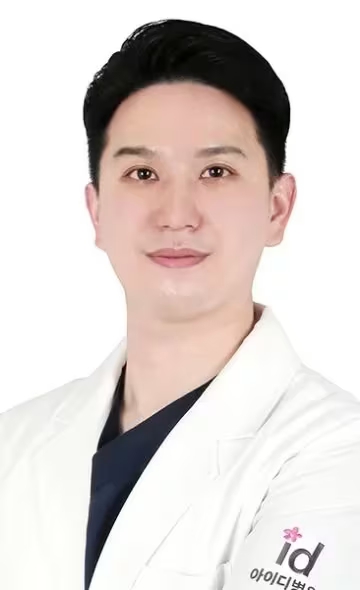
 Dr. Sung Jae Ahn
 Plastic Surgery
.avif&w=3840&q=75)


