








Bestclinicabroad
Connect with the world's Best Clinic and doctors at Best Clinic Abroad. Your well-being is our priority, with personalized care every step of the way.


Connect with the world's Best Clinic and doctors at Best Clinic Abroad. Your well-being is our priority, with personalized care every step of the way.



 Turkey, Istanbul, Street 10, Davutpaşa Caddesi No: 434010 Topkapi
Koç University Hospital, established in 2014, is a non-profit research and education hospital located within the prestigious Koç University Health Sciences Campus in Topkapı, Istanbul. Closely associated with Koç University and collaborating with the American Hospital Istanbul and MedAmerican Ambulatory Care Surgery Center, the hospital is a trusted name in Istanbul healthcare. Accredited by Joint Commission International (JCI) and certified by ISO, Koç University Hospital upholds international standards in quality, safety, and patient care, making it one of the leading JCI-accredited hospitals and ISO-certified hospitals in Turkey.
Location and Facilities
Capacity and Infrastructure
Specialized Services and Centers
Global and Local Impact
International Recognition and Standards


 Turkey, Istanbul, Güzelbahçe Sok, No:20, 34365 Nişantaşı
Founded in 1924, the American Hospital Istanbul is one of the most extensively equipped hospitals in the region. Operated as a non-profit organization under the Vehbi Koc Foundation (VKV), the hospital occupies a vast 214,000 m² and encompasses numerous departments and research centers. VKV has invested approximately $300 million to enhance its professional capabilities and infrastructure, solidifying its reputation as a premier medical institution in Turkey.
Advanced Technology & Facilities:
Key Services:
Ranked first in “Turkey’s Top 500 Companies in the Healthcare Sector.”
Won the 18th Golden Spider Awards for best healthcare website.
Patient-Centric Services: The hospital is dedicated to providing international patients with unparalleled services, including advanced diagnostics, innovative treatments, and luxurious accommodations.

 Kaptan Paşa, Kaptan Paşa Mah. Piyale Paşa Bulv, Okmeydanı Cd. No: 4, 34384 Şişli/İstanbul, Türkiye
Memorial Şişli Hospital, located in Istanbul, Turkey, stands as a distinguished leader in healthcare in Istanbul, known for its exceptional medical services and international reach. Established in 2000 under the Memorial Medical Group, Memorial Şişli Hospital is the first in Turkey and the 21st globally to achieve JCI-accredited hospital status. Memorial Şişli is widely respected for its commitment to adopting modern medical practices and offering a broad spectrum of specialized services. Serving international patients from 92 countries annually, Memorial Şişli Hospital has become a trusted name for medical tourism in Turkey. Memorial Şişli Hospital provides expert care with advanced medical techniques and highly skilled doctors, ensuring a global standard of healthcare.
Key Features of Memorial Şişli Hospital
With impressive success rates, advanced technologies, and comprehensive care options, Memorial Şişli Hospital is a key destination for medical tourism in Turkey. Memorial Şişli Hospital continues to build on its reputation as a reliable provider of specialized healthcare in Istanbul, ensuring that both local and international patients receive exceptional medical treatment.

 Fevzi Çakmak, D100, Eski Karakol Sk. No:9, 34899 Pendik/İstanbul, Türkiye
VM Medical Park Pendik Hospital, located in Istanbul, Turkey, is part of the Medical Park Group Hospitals and has become a beacon of excellence in healthcare in Istanbul. This advanced medical facility, spanning over 62,000 square meters, known for its comprehensive healthcare services, especially in cardiology treatment in Istanbul, gynecology and obstetrics in Turkey, general surgery in Istanbul, and pediatric care in Turkey. The hospital is equipped with the latest diagnostic tools and treatment methods to ensure optimal care for its patients, both local and international. As an ISO-certified hospital in Turkey and a JCI-accredited hospital in Istanbul, it stands out for its dedication to providing high-quality medical services in a patient-centered environment.
Key Features of VM Medical Park Pendik Hospital
 Yukarı Dikmen, Tevfik Kış Cd No:6, 06450 Çankaya/Ankara, Türkiye
Acıbadem Ankara Hospital, a prominent member of the Acıbadem Healthcare Group, has been delivering reliable and affordable healthcare in Ankara since 2012. Situated in the heart of Çankaya-Oran, the hospital is renowned for its comprehensive healthcare services in Ankara, catering to diverse medical needs. As one of the ISO-certified hospitals in Turkey and a JCI-accredited hospital in Ankara, it maintains exceptional standards of high-quality patient care while offering advanced treatments across specialties. With a focus on international patient care, the hospital is also a key player in medical tourism in Turkey, serving patients from around the globe.
Key Features of Acıbadem Ankara Hospital
 Turkey, Istanbul, İnönü, Nizamiye Cd. No:9 D:No: 1, 34373 Şişli
Established in October 2015, Acıbadem Taksim Hospital is a modern healthcare facility within the Acıbadem Healthcare Group. It spans approximately 24,000 square meters and is designed to provide comprehensive medical services across various specialties. The facility includes a General Intensive Care Unit with 10 beds, including 2 isolation rooms, and a Neonatal Intensive Care Unit with 7 beds, including 1 isolation room.
Advanced Technology & Facilities
Acıbadem Taksim Hospital is committed to delivering high-quality healthcare services, combining advanced medical technology with a patient-centered approach to meet the diverse needs of its patients.
 Turkey, Istanbul, Yeşilköy, İstanbul Caddesi No:82, 34149 Bakırköy/İstanbul, Turkey
Established in 1991, Acıbadem Healthcare Group has become one of the leading healthcare providers in Turkey and internationally. Headquartered in Istanbul, the group operates a vast network of 24 hospitals and 15 medical centers across various countries, including Turkey, Bulgaria, and the Netherlands. With a commitment to providing world-class healthcare, Acıbadem caters to a diverse range of specialties, from general surgery to complex procedures in fields like oncology, cardiology, and neurosurgery.
Acıbadem Healthcare Group has earned a reputation for its advanced medical technologies and high standards in patient care. The group is recognized for using cutting-edge diagnostic tools and surgical techniques. It is also renowned for its multidisciplinary approach to healthcare, ensuring that patients receive comprehensive treatment from various specialists. Acıbadem hospitals are accredited by several international organizations, ensuring they meet global healthcare standards.
Advanced Technology & Facilities
Key Services
Acıbadem Healthcare Group is committed to offering personalized care and consistently sets high standards in the medical field. By integrating advanced medical technology and a team of highly skilled professionals, the group ensures that patients receive the highest quality treatments in a modern, comfortable environment.
.avif&w=2048&q=75) Vedat Günyol Cd. No:28-30, 34750 Ataşehir, Istanbul, Turkey
Vedat Günyol Cd. No:28-30, 34750 Ataşehir, Istanbul, TurkeyAcıbadem International Hospital, located in Istanbul’s scenic Yeşilköy district, has symbolized world-class healthcare since 1989. As part of the Acıbadem Healthcare Group, the hospital provides patient-centered care, advanced technology, and expert medical professionals. It is 40 minutes from Istanbul Airport near cultural and natural attractions like the Florya Atatürk Forest and Istanbul Aquarium, providing a serene recovery environment.
Accreditation & Expertise
Advanced Technology & Facilities
Key Services
With a strong commitment to research, education, and innovation, Acıbadem International Hospital offers a blend of expertise, compassion, and advanced treatments. As a leading healthcare destination, the hospital attracts international patients seeking quality care and exceptional outcomes.
 Cumhuriyet Cad. No: 66 Seyhan, Adana, Turkey
Acibadem Adana Hospital, located in Turkey on Cumhuriyet Cad. No: 66 Seyhan, Adana, is a prominent healthcare facility within the well-known Acibadem Healthcare Network, one of the largest in Turkey. Established in 2009, it is dedicated to offering high-quality healthcare and personalized care through a multispecialty approach. The hospital caters to both residents and international patients, providing advanced diagnostic methods, modern medical technologies, and personalized treatment plans. Acibadem Adana Hospital has earned recognition for its cancer treatment expertise and is accredited by JCI (Joint Commission International), ensuring safe and effective healthcare in Adana.
Key Features of Acibadem Adana Hospital
Advanced Medical Technology
 İsmet Gökşen Cd. No: 76, 07160 Muratpaşa/Antalya, Turkey
Memorial Lara Medical Center, located in the heart of Antalya's Lara region, is a satellite clinic of Memorial Antalya Hospital, part of Turkey's renowned Memorial Healthcare Group. The center is designed with a patient-centered approach, ensuring both comfort and safety. It offers a wide range of medical services, including gynecology and obstetrics, pediatrics, internal medicine, otorhinolaryngology, general surgery, and neurology.
Memorial Lara Medical Center is accredited by Joint Commission International (JCI) and holds ISO certifications, reflecting its commitment to international healthcare standards and high-quality care. To cater to the needs of international patients, the center provides seamless services, including collaboration with insurance companies, ensuring easy access to its advanced healthcare solutions.
Advanced Technology & Facilities:
Memorial Lara Medical Center is dedicated to providing personalized healthcare solutions through its highly qualified specialists and advanced medical infrastructure. By prioritizing patient comfort, international standards, and innovation, the center stands out as a trusted choice for individuals seeking high-quality healthcare in Turkey.






Turkey’s onco-hematology services operate within a nationally regulated healthcare system that places strong emphasis on clinical governance, patient safety, and standardized cancer care pathways. All oncology and hematology services are licensed and supervised by the Turkish Ministry of Health, which defines requirements for specialist staffing, chemotherapy preparation units, radiotherapy safety, blood and bone marrow services, and infection control. In recent years, Turkey has continued to modernize cancer care through the expansion of comprehensive cancer centers, wider adoption of molecular diagnostics, and integration of digital tumor boards that support multidisciplinary decision-making.
Physicians specializing in medical oncology and hematology in Turkey follow clearly defined education and certification pathways. After completing medical school, doctors enter internal medicine residency programs, followed by subspecialty training in medical oncology or hematology through nationally accredited fellowship programs. Radiation oncology follows a separate structured residency pathway. Specialists are licensed at the national level and are required to participate in Continuing Medical Education (CME), peer review, and scientific congresses to maintain professional standards. Many senior specialists hold academic appointments at university hospitals, contributing to research activity and evidence-based clinical practice.
Hospital infrastructure supporting onco-hematology care typically includes dedicated oncology wards, day chemotherapy units, bone marrow transplant centers, advanced imaging departments, and intensive care support. Tertiary-care hospitals often house integrated cancer centers where medical oncology, hematology, radiation oncology, pathology, radiology, and surgical oncology collaborate under unified governance frameworks. Several institutions hold international accreditation, including Joint Commission International (JCI), reflecting alignment with international patient-safety and quality benchmarks also recognized by the World Health Organization.
For international patients, practical and non-clinical considerations are an important part of care planning. Patients typically begin by reviewing cancer center credentials, available subspecialties, and academic affiliations. In practice, hospitals commonly request medical records such as pathology reports, imaging studies, laboratory results, and prior treatment summaries for multidisciplinary review. Entry into Turkey for medical care is straightforward for many nationalities, although visa requirements vary and should be confirmed in advance. Length of stay depends on treatment modality; some systemic therapies are delivered over weeks or months, while others may involve shorter, repeated visits. Language support is often provided through English-speaking clinicians or professional interpreters, and patients are usually encouraged to coordinate follow-up care with oncology teams in their home country to support continuity and long-term monitoring.
Onco-hematology care in Turkey increasingly reflects the integration of advanced diagnostic and therapeutic technologies within structured safety frameworks. Many cancer centers now use molecular pathology, cytogenetics, and next-generation sequencing to support diagnostic accuracy and disease classification. Imaging modalities such as PET-CT, high-resolution MRI, and CT are widely used for staging and treatment monitoring, with radiology departments operating under strict radiation-safety regulations. These technologies support individualized treatment planning while maintaining traceable clinical documentation.
Compliance with international clinical and patient-safety standards is central to cancer care delivery. Hospitals implement rigorous infection-control protocols, particularly in hematology units and transplant centers where patients may be immunocompromised. Chemotherapy preparation and administration follow standardized safety procedures, including closed-system drug transfer devices and double-check verification processes. Radiotherapy services operate under nationally regulated dosimetry and quality-assurance programs. Post-treatment monitoring, including laboratory surveillance and imaging follow-up, is documented within institutional governance systems.
Continuous professional development is expected of oncology and hematology specialists. Clinicians frequently participate in international conferences, clinical trials, and CME programs to remain current with evolving standards of care. Treatment plans are individualized, informed consent is mandatory, and all final clinical decisions are made exclusively by licensed specialists following comprehensive professional evaluation. At a national level, Turkey is increasingly recognized for its structured cancer care regulation, multidisciplinary care models, and ongoing investment in oncology infrastructure.
Medical oncology focuses on the use of systemic treatments such as chemotherapy, targeted therapy, and immunotherapy to manage solid tumors. Diagnostic planning typically involves histopathological confirmation, molecular testing, and imaging for staging. Treatments are administered in controlled clinical settings under strict safety protocols for drug handling and patient monitoring, with the functional objective of disease control and symptom management.
Hematologic malignancy management addresses cancers of the blood and bone marrow, including leukemias, lymphomas, and myeloma. Diagnostic evaluation commonly includes bone marrow biopsy, flow cytometry, cytogenetic analysis, and laboratory testing. Care is delivered within specialized hematology units with infection-control oversight and structured transfusion support to maintain hematologic function.
Bone marrow and stem cell transplantation is used for selected hematologic conditions and some solid tumors. Planning involves donor matching, conditioning regimens, and multidisciplinary assessment. Transplant units operate under highly regulated environments with air filtration, infection surveillance, and continuous clinical oversight to support immune system recovery.
Radiation oncology uses ionizing radiation to target malignant tissues while minimizing exposure to surrounding organs. Treatment planning relies on 3D imaging, CT simulation, and computer-based dose calculation. Safety protocols include quality assurance checks, machine calibration, and patient positioning verification, with the medical objective of local disease control.
Surgical oncology addresses the operative management of cancer, often as part of a multimodal treatment plan. Preoperative assessment includes imaging, pathology review, and multidisciplinary discussion. Procedures are performed in tertiary-care operating theaters with anesthesia and postoperative monitoring frameworks designed to support safe recovery and functional outcomes.
Supportive care focuses on managing complications related to cancer or its treatment, such as anemia, infection risk, or nutritional challenges. Diagnostic monitoring includes laboratory surveillance and clinical assessment. Care is delivered under evidence-based protocols aimed at maintaining physiological stability and treatment tolerance.
Accreditations: JCI; regulated by the Turkish Ministry of Health; academic affiliations with universities.
Specializations: Comprehensive oncology and hematology services including medical oncology, bone marrow transplantation, radiation oncology, and multidisciplinary cancer care.
Accreditations: JCI; Ministry of Health oversight; academic collaborations.
Specializations: Integrated cancer centers offering systemic therapy, hematologic malignancy care, advanced imaging, and supportive oncology services.
Accreditations: JCI; national regulatory oversight; academic partnerships.
Specializations: Medical oncology, hematology, and bone marrow transplantation supported by advanced diagnostics and multidisciplinary consultation.
Accreditations: National accreditation; university teaching hospital.
Specializations: Academic oncology and hematology programs with emphasis on research, clinical trials, and subspecialty care.
Accreditations: Ministry of Health regulation; public university affiliation.
Specializations: Tertiary-level oncology and hematology services with strong academic and research orientation.
Liv Hospital
Accreditations: JCI; national regulatory oversight; teaching affiliations.
Specializations: Hospital-based oncology services including systemic therapy, radiation oncology, and coordinated supportive care.
Koç University Hospital
Accreditations: National accreditation; university teaching hospital.
Specializations: Evidence-based oncology and hematology care with multidisciplinary tumor boards and research integration.
| Onco-Hematology Procedure | Estimated Cost Range (USD) |
| Chemotherapy (per cycle) | $1,500-$4,000 |
| Immunotherapy (per cycle) | $4,000-$8,000 |
| Radiation Therapy (course) | $5,000-$10,000 |
| Bone Marrow Transplantation | $40,000-$80,000 |
| Hematologic Diagnostic Workup | $2,000-$5,000 |
| Supportive Oncology Care (monthly) | $1,000-$3,000 |
Note: The prices listed above are approximate, non-binding estimates provided for general informational purposes only. Actual treatment costs may vary based on individual clinical requirements, diagnostic findings, treatment complexity, materials or technology used, physician expertise, facility type, and duration of care. Final pricing is determined only after a professional evaluation by a licensed specialist or accredited medical institution.
Turkey’s onco-hematology services are grounded in national regulation, institutional accountability, and structured patient-safety systems. The Ministry of Health oversees licensing, inspection, and quality reporting for oncology and hematology units, helping ensure consistency in infection control, chemotherapy safety, radiation use, and transfusion practices. These frameworks are aligned with internationally recognized principles of evidence-based medicine and clinical governance.
Specialist training standards contribute to the reliability of care delivery. Oncologists and hematologists are trained through accredited programs and are expected to maintain competence through CME, peer review, and academic engagement. Many hospitals maintain transparent documentation practices, including written treatment plans, informed consent processes, and multidisciplinary review records, which support patient understanding and continuity of care.
Government-supported medical tourism frameworks provide additional oversight for international patients. Regulations address patient rights, data protection, and institutional responsibilities when treating foreign nationals. Dedicated international patient departments within hospitals commonly coordinate appointments, records, and communication while adhering to national standards.
Restrictions and limitations:
International patients may face practical considerations such as visa duration, extended treatment timelines for systemic therapies, or the need for prolonged local accommodation. Some treatments require long-term follow-up that must be coordinated with healthcare providers in the patient’s home country. These factors are typically discussed early to support realistic care planning.
Best Clinic Abroad is a medical travel facilitator that supports patients in understanding how to navigate complex international cancer care pathways. It is not a medical provider, does not diagnose conditions, recommend treatments, or influence clinical decisions, which remain solely with licensed oncologists and accredited hospitals. Its role is limited to non-clinical coordination and information support.
➤ Hospital coordination - Support communication and coordination with accredited hospitals
➤ Appointment support - Assist with scheduling and organizing consultations
➤ Communication assistance - Help patients understand next steps without replacing medical advice
➤ Logistical guidance - Offer non-clinical support related to travel planning
All medical decisions are made exclusively by licensed physicians and accredited hospitals. Those who wish to clarify administrative steps or explore coordination options may choose to engage with Best Clinic Abroad for guidance.
Cancer treatment quality depends on the specific hospital, specialist team, and individual clinical situation. In Turkey, many oncology centers operate under nationally regulated frameworks and follow international clinical guidelines. You may find that care is delivered within multidisciplinary teams using modern diagnostic and treatment technologies, but treatment decisions and effectiveness are always individualized.
Widely accepted medical research indicates that a large proportion of cancers are associated with a combination of environmental, lifestyle, and behavioral factors, such as tobacco use, diet, infections, and environmental exposures. A smaller proportion is linked primarily to inherited genetic factors. Cancer causation is complex and often involves multiple contributing elements.
There is no single cancer that is universally considered the hardest to treat. Treatment complexity varies depending on cancer type, stage at diagnosis, biological characteristics, and available therapies. Your oncology team evaluates these factors together to determine appropriate management based on professional assessment.
Disclaimer: This content is provided for informational purposes only and does not constitute medical advice. It reflects non-clinical observation of healthcare coordination processes and institutional practices in Turkey and does not represent direct medical practice. Diagnosis and treatment decisions should always be made in consultation with a licensed medical specialist based on individual clinical evaluation.
Last updated: January 2026

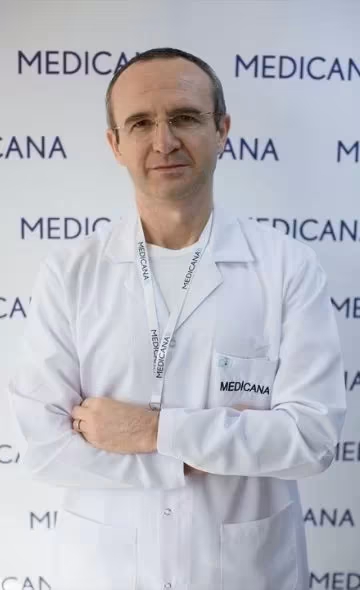
 Dr. Taner Has
 Hematology Oncology
.avif&w=3840&q=75)


