









Bestclinicabroad
Connect with the world's Best Clinic and doctors at Best Clinic Abroad. Your well-being is our priority, with personalized care every step of the way.


Connect with the world's Best Clinic and doctors at Best Clinic Abroad. Your well-being is our priority, with personalized care every step of the way.



 Turkey, Istanbul, Güzelbahçe Sok, No:20, 34365 Nişantaşı
Founded in 1924, the American Hospital Istanbul is one of the most extensively equipped hospitals in the region. Operated as a non-profit organization under the Vehbi Koc Foundation (VKV), the hospital occupies a vast 214,000 m² and encompasses numerous departments and research centers. VKV has invested approximately $300 million to enhance its professional capabilities and infrastructure, solidifying its reputation as a premier medical institution in Turkey.
Advanced Technology & Facilities:
Key Services:
Ranked first in “Turkey’s Top 500 Companies in the Healthcare Sector.”
Won the 18th Golden Spider Awards for best healthcare website.
Patient-Centric Services: The hospital is dedicated to providing international patients with unparalleled services, including advanced diagnostics, innovative treatments, and luxurious accommodations.


 Turkey, Istanbul, Ulus Ahmet Adnan Saygun cad, Canan Sk., 34340 Beşiktaş
Founded in 2013, LIV Hospital Ulus has established itself as a leading multi-specialty hospital in Turkey, offering advanced healthcare solutions across various disciplines. The name "LIV" stands for "Leading International Vision," reflecting its commitment to high medical standards and patient-centered care. LIV Hospital Ulus operates under the philosophy of "The Future of Health," ensuring that each patient receives individualized treatment backed by expert medical professionals and innovative methodologies.
Key Highlights of LIV Hospital
With its Centers of Excellence, internationally accredited facilities, and reputation as one of the best hospitals in Turkey, LIV Hospital Istanbul continues to redefine healthcare. LIV Hospital Ulus offers local and international patients a trusted destination for top-quality medical care in Turkey. Patients seeking treatment at LIV Hospital Ulus, LIV Hospital Vadistanbul, or other branches can explore LIV Hospital reviews and treatment costs in Turkey for informed healthcare decisions.

 Turkey, Istanbul, Otakçılar Cd. No:78 Flat Ofis Aqua Court E Blok 3. Kat Eyüp
Established in 1993, Medical Park Hospital Group has become Turkey's largest private hospital network, offering a comprehensive range of medical services. The group is committed to providing high-quality healthcare across various specialties, including oncology, cardiology, neurology, orthopedics, and general surgery. With a focus on patient-centered care, Medical Park integrates advanced medical technologies and innovative treatment approaches to ensure optimal outcomes for both national and international patients.
Advanced Technology & Facilities
Key Services at Medical Park Hospital Group
Medical Park Hospital Group is dedicated to medical excellence, combining research-driven healthcare, innovative treatments, and compassionate patient care, making it a premier destination for specialized medical services worldwide.
 Turkey, Istanbul, Antalya, Ankara, Ankara, Antalya Diyarbakır, Istanbul, Kayseri
Memorial Hospital Group operates a network of hospitals and satellite clinics, providing a high standard of medical care to thousands of patients annually. Equipped with cutting-edge technology and modern infrastructure, the hospitals offer comprehensive inpatient and outpatient services.
Memorial Hospitals Group is a leading healthcare provider in Turkey, internationally recognized for its high-quality medical services and patient-focused approach. The group specializes in a wide range of disciplines, including cardiology, oncology, organ transplantation, neurology, orthopedics, and in vitro fertilization (IVF). With a team of highly skilled specialists and state-of-the-art medical facilities, Memorial ensures innovative and effective treatments tailored to each patient's needs. The hospital group attracts both local and international patients, offering multilingual support and personalized healthcare services.
Advanced Technology & Facilities
Key Services at Memorial Hospitals Group
Memorial Hospitals Group is a globally recognized leader in healthcare, combining world-class medical expertise, cutting-edge technology, and patient-centered care. With a strong commitment to innovation and excellence, Memorial is a preferred destination for specialized medical treatments for both national and international patients.
 Barış, İzmir Yolu, No:206, 16140 Nilüfer/Bursa, Türkiye
Established in 1999, Estetik International Bursa has evolved into one of the most renowned aesthetic and plastic surgery clinics in Turkey. Strategically located in Bursa, one of the country’s fastest-growing medical hubs, the clinic serves both local residents and thousands of international patients each year. Its location, just a short distance from Istanbul and accessible via major transport routes, makes it an attractive destination for individuals traveling for medical tourism in Turkey.
What sets Estetik International Bursa apart is its combination of medical excellence, innovative procedures, and luxurious hospitality standards. The clinic has been designed to provide a five-star hotel-like experience, blending cutting-edge surgical technology with premium comfort. Patients often highlight the seamless integration of modern medicine with personalized attention, which has become the clinic’s hallmark.
Led by the internationally acclaimed Dr. Bülent Cihantimur-one of Turkey’s most respected plastic surgeons-the clinic has pioneered several revolutionary aesthetic procedures that are now recognized worldwide. Among these are:
Patients from Europe, the Middle East, and North America frequently choose Estetik International Bursa not only for the expertise of its surgeons but also for the clinic’s strong emphasis on patient comfort and post-surgical care. The clinic’s success has also been amplified by its global presence, with representative offices in Germany, Sweden, and Dubai, making it easier for international patients to access consultations and pre-travel support.
The clinic’s services extend across a wide spectrum of treatments, from hair transplants in Turkey and plastic surgery in Turkey to dental aesthetics and stem cell-based anti-aging therapies. By offering such diversity under one roof, patients can undergo multiple treatments in a single trip, a significant advantage for medical tourists seeking convenience and efficiency.
Estetik International Bursa’s reputation has also been strengthened by celebrity endorsements, as several high-profile figures have chosen the clinic for their cosmetic procedures. This has further validated the clinic’s status as one of the best plastic surgery destinations in Turkey.
For a broader understanding of how patients weigh their choices when selecting international hospitals and clinics, you can read our guide on 15 Features to Look for While Selecting a Healthcare Center.
 Merkez, Marmara Cd, Şamlı Sk. No:32, 34310, Avcılar/İstanbul, Türkiye
Medicana Avcılar Hospital, part of the prestigious Medicana Health Group Istanbul, has delivered patient-centered healthcare in Turkey for over 25 years. Strategically located in Istanbul, this modern facility spans 6,331 square meters and offers a wide range of advanced medical services. Equipped with 63 beds, including dedicated intensive care units, Medicana Avcılar provides exceptional care in various medical disciplines, making it a trusted healthcare destination for domestic and international patients.
Key Features of Medicana Avcılar Hospital
Comprehensive Facilities and Capacity
Specialized Medical Services
Focus on Patient Comfort and Safety
Commitment to Holistic Care
Global Recognition and Accreditations
With a strong emphasis on advanced imaging technologies in Istanbul hospitals, patient-focused care, and comprehensive healthcare in Istanbul, Medicana Avcılar Hospital continues to set high standards. Whether you seek high-survival neonatal intensive care units in Turkey or obesity surgery and plastic surgery in Istanbul, Medicana Avcılar Hospital's advanced diagnostic and treatment services in Istanbul ensure a trusted and holistic healthcare experience.
 Turkey, Antalya, Meltem, Akdeniz Üniversitesi Hastanesi, Dumlupınar Blv., 07059 Muratpaşa/Antalya, Turkey
Capacity: Akdeniz University Hospital is a tertiary-level healthcare facility with 1,267 beds across 43 specialized clinical departments, making it one of Turkey's leading medical centers.
Established in 1982, Akdeniz University Hospital has become a premier medical institution, offering comprehensive healthcare services across various specialties. The hospital is staffed by esteemed professors, consultants, specialists, and dedicated healthcare professionals committed to delivering high-quality patient care.
The hospital integrates advanced medical research with patient care, providing personalized treatment plans tailored to individual needs. Its strategic location in Antalya, a city renowned for its cultural, historical, and touristic appeal, makes it easily accessible for international patients. Akdeniz University Hospital is recognized for its patient-centered approach, ensuring compassionate and customized care for every individual.
Advanced Technology & Facilities:
Key Services:
Akdeniz University Hospital is committed to personalized care, utilizing advanced medical technology and a team of leading experts. The hospital continues to set high standards in medical services, ensuring patients receive top-tier treatments in a comfortable and modern environment.
 Turkey, Istanbul, Yeşilköy, İstanbul Caddesi No:82, 34149 Bakırköy/İstanbul, Turkey
Established in 1991, Acıbadem Healthcare Group has become one of the leading healthcare providers in Turkey and internationally. Headquartered in Istanbul, the group operates a vast network of 24 hospitals and 15 medical centers across various countries, including Turkey, Bulgaria, and the Netherlands. With a commitment to providing world-class healthcare, Acıbadem caters to a diverse range of specialties, from general surgery to complex procedures in fields like oncology, cardiology, and neurosurgery.
Acıbadem Healthcare Group has earned a reputation for its advanced medical technologies and high standards in patient care. The group is recognized for using cutting-edge diagnostic tools and surgical techniques. It is also renowned for its multidisciplinary approach to healthcare, ensuring that patients receive comprehensive treatment from various specialists. Acıbadem hospitals are accredited by several international organizations, ensuring they meet global healthcare standards.
Advanced Technology & Facilities
Key Services
Acıbadem Healthcare Group is committed to offering personalized care and consistently sets high standards in the medical field. By integrating advanced medical technology and a team of highly skilled professionals, the group ensures that patients receive the highest quality treatments in a modern, comfortable environment.
 Turkey, Gaziantep, Mücahitler, 52063. Sk. No:2, 27584 Şehitkamil/Gaziantep
Capacity: Medical Park Gaziantep Hospital is a Class A healthcare facility covering 30,000 m², featuring 252 patient beds, 40 outpatient clinics, 8 operating rooms, and 53 intensive care beds, including those for cardiology, cardiovascular surgery, and newborn care.
Established in 2008, Medical Park Gaziantep Hospital serves the Southeastern Anatolia region with advanced medical technology and a team of expert professionals. The hospital integrates advanced research with patient-centered care, offering treatments across various specialties. Designed with patient comfort in mind, it includes modern outpatient areas and specialized facilities for disabled patients.
Advanced Technology & Facilities
Key Services at Medical Park Gaziantep Hospital
Medical Park Gaziantep continues to set the bar for excellence in healthcare, combining advanced technology with compassionate care for patients in a modern, accessible environment.
 Turkey, Kocaeli, Ovacık, Topsahası Sk. No:34, 41140 Başiskele
Established in 1993, VM Medical Park Kocaeli Hospital is part of the esteemed Medical Park Hospitals Group, one of Turkey's largest healthcare networks. The hospital offers comprehensive medical services across 18 specialties and is staffed by over 100 experienced physicians.
Strategically located within the Symbol Shopping, Congress, and Life Center, the hospital provides easy access for local and international patients. VM Medical Park Kocaeli Hospital is dedicated to integrating advanced medical research with patient care, offering personalized treatments in a patient-focused environment.
Advanced Technology & Facilities
Key Services
VM Medical Park Kocaeli Hospital is committed to personalized care, utilizing advanced medical technology and a team of leading experts. The hospital continues to set high standards in medical services, ensuring patients receive top-tier treatments in a comfortable and modern environment.

Plastic surgery services in Turkey are delivered within a nationally regulated healthcare system that emphasizes patient safety, clinical governance, and standardized professional practice. All plastic surgery clinics and hospital departments operate under the supervision of the Turkish Ministry of Health, which defines licensing requirements, operating room standards, infection control protocols, anesthesia regulations, and postoperative monitoring obligations. In recent years, plastic surgery in Turkey has continued to evolve through the integration of digital surgical planning, advanced imaging technologies, refined minimally invasive techniques, and enhanced perioperative safety frameworks aligned with international clinical governance principles.
Plastic surgeons in Turkey follow a clearly structured education and certification pathway. After completing medical school, physicians enter a six-year residency program in plastic, reconstructive, and aesthetic surgery within accredited training hospitals. This pathway includes supervised surgical training, exposure to reconstructive, aesthetic, burn, and microsurgery disciplines, and academic assessment. Surgeons are nationally licensed and are expected to engage in Continuing Medical Education (CME), professional audits, and international scientific meetings to maintain competency and remain aligned with evidence-based surgical standards.
Hospital infrastructure supporting plastic surgery in Turkey ranges from large tertiary-care academic medical centers to specialized plastic surgery hospitals. These facilities typically include fully equipped operating theaters, intensive care units, recovery wards, sterile processing departments, and diagnostic imaging services. Many hospitals are affiliated with universities, supporting research, resident education, and multidisciplinary collaboration. Several institutions hold international accreditation, including Joint Commission International (JCI), reflecting compliance with internationally recognized patient-safety and quality benchmarks consistent with guidance from the World Health Organization.
For international patients, practical considerations are an important part of planning plastic surgery care. Patients typically begin by reviewing surgeon credentials, hospital accreditation status, and the scope of available procedures. In practice, hospitals often request medical records such as prior surgical reports, medical history summaries, laboratory results, or imaging when relevant. Entry into Turkey for medical travel is straightforward for many nationalities, although visa requirements vary and should be confirmed in advance. Postoperative stays commonly range from 7-14 days depending on the procedure and clinical monitoring needs. Language barriers are often addressed through English-speaking staff or professional interpreters, and patients are usually advised to plan follow-up care and wound monitoring after returning home.
Plastic surgery care in Turkey increasingly reflects the adoption of modern surgical technologies within structured patient-safety frameworks. Digital diagnostics, three-dimensional imaging, and computer-assisted surgical planning are commonly used to support procedural accuracy and documentation. Minimally invasive techniques, refined suturing methods, and advanced surgical instruments are increasingly integrated into both reconstructive and aesthetic procedures, helping surgeons align surgical plans with anatomical and functional considerations.
Compliance with international clinical and patient-safety standards is a core element of plastic surgery practice. Hospitals implement strict infection-control measures, sterile operating environments, and perioperative safety checklists. Anesthesia services are delivered by licensed anesthesiologists following nationally approved protocols, with continuous intraoperative and postoperative monitoring. Post-treatment observation, wound care documentation, and follow-up planning are incorporated into institutional clinical governance systems.
Continuous professional development is expected of plastic surgeons and surgical teams. Clinicians commonly participate in international conferences, hands-on training courses, and CME programs to remain current with evolving techniques and safety standards. Treatment plans are individualized, informed consent is required, and final clinical decisions depend on professional evaluation by licensed plastic surgeons. At a national level, Turkey is increasingly recognized for its structured regulation, investment in surgical infrastructure, and emphasis on patient safety.
Reconstructive plastic surgery focuses on restoring form and function following trauma, congenital conditions, or disease. Core techniques include tissue reconstruction, flap surgery, and microsurgical methods. Diagnostic planning may involve imaging, functional assessment, and multidisciplinary consultation. Safety protocols emphasize precise surgical technique, sterile environments, and postoperative monitoring to support anatomical restoration.
Breast surgery in plastic surgery practice includes reconstructive and corrective procedures. Planning typically involves imaging, anatomical assessment, and surgical mapping. Techniques may include implant-based or tissue-based reconstruction, performed under regulated anesthesia and infection-control standards with clinical oversight focused on structural integrity and healing.
Facial plastic surgery addresses structural and functional aspects of the face. Diagnostic evaluation may include imaging and anatomical analysis. Procedures are performed using refined surgical instruments and detailed planning, with safety frameworks emphasizing nerve protection, symmetry, and postoperative observation.
Body contouring surgery addresses changes in body shape related to medical or reconstructive needs. Planning often includes physical assessment and imaging. Techniques involve soft tissue management performed under standardized surgical safety and anesthesia protocols, with functional objectives related to tissue balance and mobility.
Hand and upper extremity surgery focuses on restoring function, structure, and mobility. Diagnostic methods include imaging and functional assessment. Procedures are performed in specialized surgical environments with clinical oversight emphasizing nerve, tendon, and vascular preservation.
Burn and scar reconstruction addresses functional and structural impairment caused by injury. Planning may involve imaging, tissue assessment, and staged surgical approaches. Care is delivered within regulated burn and reconstructive units emphasizing infection control and long-term tissue management.
Accreditations: JCI; regulated by the Turkish Ministry of Health; university affiliations.
Specializations: Comprehensive plastic, reconstructive, and aesthetic surgery services within multidisciplinary hospital environments.
Accreditations: JCI; Ministry of Health oversight; academic collaborations.
Specializations: Plastic and reconstructive surgery supported by advanced diagnostics, surgical technology, and postoperative care units.
Accreditations: National accreditation; university teaching hospital.
Specializations: Academic plastic surgery programs integrating reconstructive, aesthetic, and research-based practice.
Accreditations: Ministry of Health regulation; public university affiliation.
Specializations: Tertiary-level plastic and reconstructive surgery with strong academic and multidisciplinary focus.
Accreditations: JCI; national regulatory oversight; academic partnerships.
Specializations: Plastic and reconstructive surgery integrated with oncology, trauma, and rehabilitation services.
Accreditations: JCI; Ministry of Health oversight; teaching affiliations.
Specializations: Hospital-based plastic surgery services supported by advanced operating theaters and postoperative care units.
Accreditations: National accreditation; university teaching hospital.
Specializations: Evidence-based plastic and reconstructive surgery supported by research, training, and multidisciplinary collaboration.
| Plastic Surgery Procedure | Estimated Cost Range (USD) |
| Reconstructive Plastic Surgery | $5,000-$15,000 |
| Breast Reconstruction Surgery | $6,000-$12,000 |
| Facial Reconstructive Surgery | $4,000-$10,000 |
| Body Contouring Surgery | $4,500-$9,000 |
| Hand Reconstruction Surgery | $3,500-$8,000 |
| Burn Reconstruction Procedures | $6,000-$18,000 |
Note: The prices listed above are approximate, non-binding estimates provided for general informational purposes only. Actual treatment costs may vary based on individual clinical requirements, diagnostic findings, treatment complexity, materials or technology used, physician expertise, facility type, and duration of care. Final pricing is determined only after a professional evaluation by a licensed specialist or accredited medical institution.
Plastic surgery services in Turkey are grounded in national healthcare regulation, structured patient-safety systems, and institutional accountability. The Ministry of Health oversees licensing, inspection, and quality reporting, supporting consistent standards for surgical safety, anesthesia management, infection control, and postoperative care. These systems align with international clinical governance principles and evidence-based surgical practice.
Specialist training standards support transparency and reliability. Plastic surgeons complete accredited residency programs and are expected to maintain professional competence through CME, peer review, and scientific engagement. Hospitals commonly use standardized documentation, including surgical planning records, informed consent forms, and postoperative summaries, helping patients understand care pathways and supporting continuity of care.
Government-supported medical tourism frameworks provide additional oversight for international patients. Regulations address patient rights, data protection, and institutional responsibilities when treating foreign nationals. Dedicated international patient departments often assist with coordination while operating within national regulatory boundaries.
International patients may need to consider visa duration, postoperative recovery timelines, and the availability of follow-up care after returning home. Some procedures require staged assessments or prolonged healing periods, making advance planning and coordination essential.
Best Clinic Abroad is a medical travel facilitator that helps patients understand how international plastic surgery care pathways are coordinated. It is not a medical provider and does not diagnose conditions, recommend treatments, or influence clinical decisions, which remain exclusively with licensed plastic surgeons and accredited hospitals. Its role focuses on non-clinical coordination and information support.
➤ Hospital coordination - Support communication and coordination with accredited hospitals
➤ Appointment support - Assist with scheduling and organizing consultations
➤ Communication assistance - Help patients understand next steps without replacing medical advice
➤ Logistical guidance - Offer non-clinical support related to travel planning
All medical decisions are made exclusively by licensed physicians and accredited hospitals. Readers who wish to clarify administrative steps or explore coordination options may choose to engage with Best Clinic Abroad for guidance.
Surgery in Turkey is regulated by national health authorities, and licensed hospitals operate under established patient-safety and clinical governance frameworks. Whether a specific procedure is appropriate depends on professional evaluation by a licensed surgeon and the standards of the chosen institution.
Plastic surgery in Turkey is delivered within a regulated healthcare system that includes licensing, inspection, and infection-control requirements. Many hospitals also follow international accreditation standards, although safety ultimately depends on the facility, the surgical team, and individual clinical factors.
There is no single “best” location for plastic surgery. Care is provided in multiple cities across Turkey within accredited hospitals and specialized clinics. The appropriate setting depends on the procedure, hospital accreditation, and professional assessment by licensed specialists.
Disclaimer: This content is provided for informational purposes only and does not constitute medical advice. It reflects non-clinical observation of healthcare coordination processes and institutional practices in Turkey and does not represent direct medical practice. Diagnosis and treatment decisions should always be made in consultation with a licensed medical specialist based on individual clinical evaluation.
Last updated: January 2026


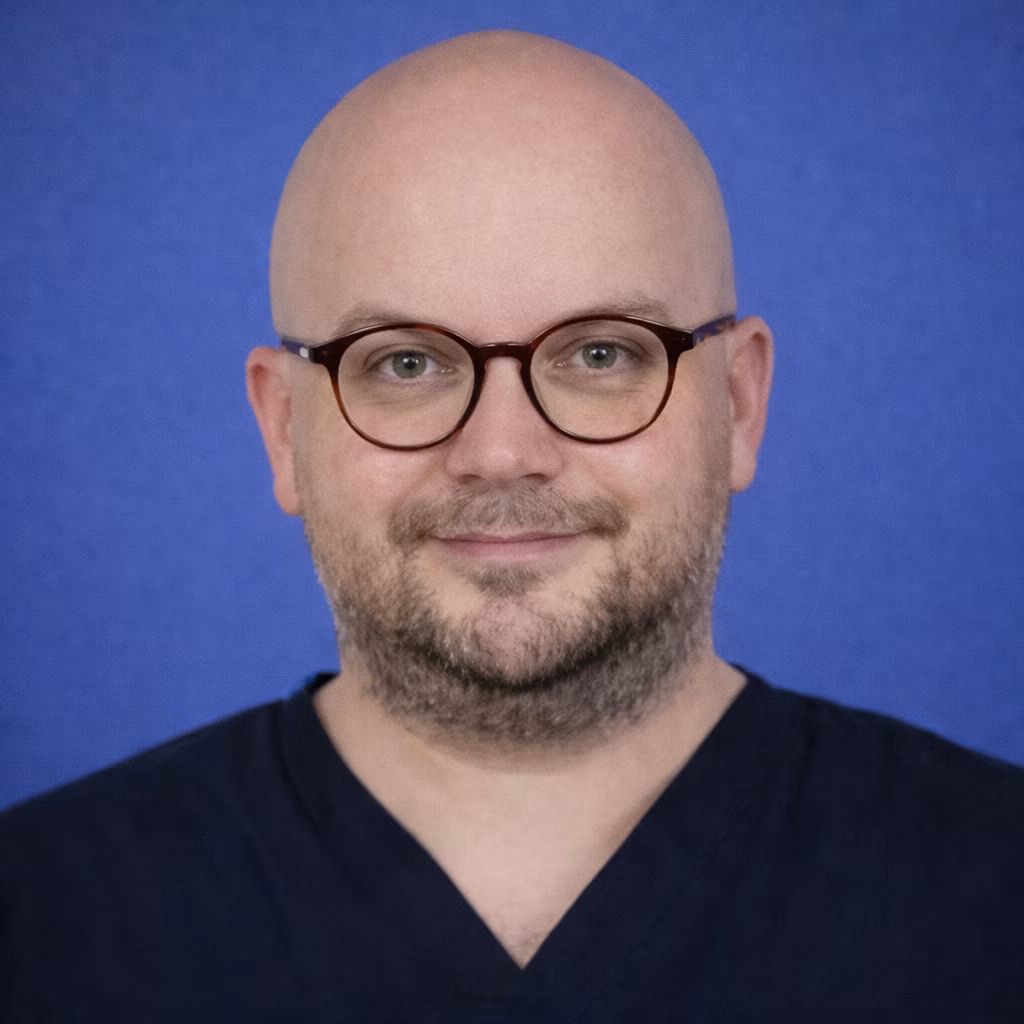



.avif&w=3840&q=100)




 Dr. Alper Kurt
 Plastic Surgery


