








Bestclinicabroad
Connect with the world's Best Clinic and doctors at Best Clinic Abroad. Your well-being is our priority, with personalized care every step of the way.


Connect with the world's Best Clinic and doctors at Best Clinic Abroad. Your well-being is our priority, with personalized care every step of the way.


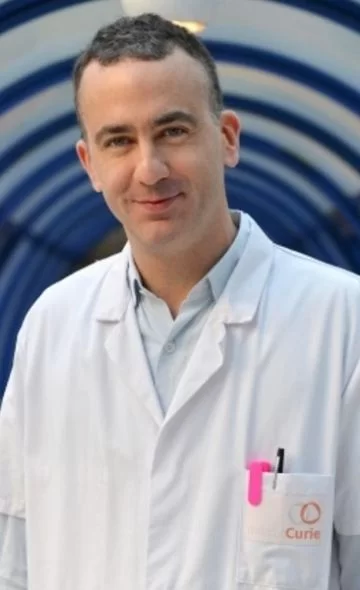
François-Clément Bidard, MD, PhD, is a leading medical oncologist in France, specializing in breast cancer treatment and research. As a Professor of Medicine at Institut Curie & Université Paris-Saclay, he is renowned as one of the best breast cancer specialists in France, with expertise in metastatic breast cancer, tumor biomarkers, and circulating tumor DNA (ctDNA). Dr. Bidard is the co-coordinator of breast cancer research at Institut Curie, the #1 breast cancer center in France, and serves as the Vice-Chair of Unicancer's Breast Cancer Research Group (UCBG). With a distinguished career in oncology, he has contributed extensively to cutting-edge cancer research and personalized treatments, particularly in liquid biopsy techniques and early cancer detection. His pioneering work in ctDNA and circulating tumor cells (CTCs) has positioned him among the top oncologists in Paris and a famous cancer researcher in Europe, making him a trusted name in breast cancer treatment.
Price upon request
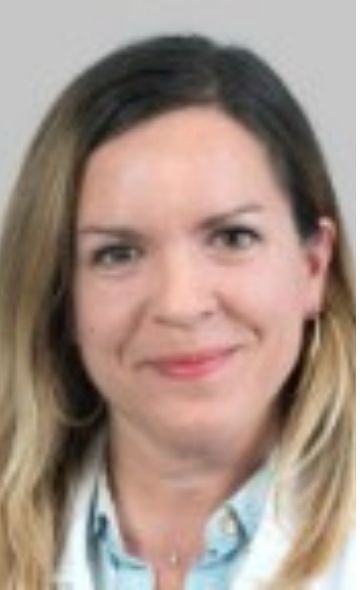
Dr. Sofie Broker, a leading oncologist in France, has over 20 years of experience in oncology and cancer treatment. She practices at the prestigious Institut Curie Hospital in Paris, where she provides comprehensive consultations and cutting-edge therapies for patients battling various forms of cancer. Recognized as one of the top cancer specialists in Paris, she extends her expertise beyond traditional settings by offering online cancer consultations, ensuring accessibility to patients worldwide.
Price upon request

Prof. Nicolas Girard is a leading thoracic oncologist and famous respiratory medicine expert, specializing in the treatment of lung cancer, neuroendocrine tumors, and thymic malignancies. As a top lung cancer specialist, he plays a pivotal role in shaping perioperative strategies, managing locally advanced thoracic cancers, and pioneering targeted therapies for oncogene-addicted tumors. Prof. Girard currently serves as the Head of the Curie-Montsouris Thorax Institute and Chair of the Medical Oncology Department at Institut Curie, Paris, while also holding an academic position as Professor of Respiratory Medicine at Versailles Saint-Quentin University. Recognized as the best thymic tumor doctor in France, his groundbreaking contributions to rare thoracic cancer research and clinical advancements in EGFR-mutant NSCLC treatment have earned him global recognition.
Price upon request
Cancer remains one of the leading causes of illness and death worldwide. According to global health authorities such as the World Health Organization, millions of new cancer cases are diagnosed each year, with rising prevalence linked to aging populations, lifestyle factors, and improved diagnostic detection. The growing complexity of cancer care has increased the need for well-trained oncologists who can manage diagnosis, systemic therapies, radiation coordination, and long-term follow-up within structured clinical pathways.
France delivers oncology care through a nationally regulated healthcare system that places strong emphasis on patient safety, scientific evidence, and equitable access to treatment. Oncologists in France undergo extensive medical education, followed by specialized training in medical oncology, radiation oncology, or related subspecialties. Their clinical practice is guided by European and international oncology guidelines, ensuring consistency in diagnostic standards, treatment planning, and supportive care.
Cancer care in France is typically provided through comprehensive cancer centers, university hospitals, and tertiary referral institutions. These facilities are equipped with advanced diagnostic imaging, pathology services, radiotherapy units, and infusion centers for systemic treatments such as chemotherapy, immunotherapy, and targeted therapies. Treatment decisions are commonly reviewed in multidisciplinary tumor boards, where oncologists collaborate with surgeons, radiologists, pathologists, and supportive care specialists to tailor care to each patient’s diagnosis and overall health status.
For international patients, France’s oncology infrastructure offers transparent documentation, regulated care pathways, and clearly defined informed consent practices. Psychological and emotional support services are increasingly integrated into cancer care, acknowledging the significant stress associated with diagnosis and treatment. Overall, oncology services in France are delivered within a system designed to balance clinical rigor, patient-centered communication, and long-term safety without overstating outcomes or guarantees.
Professor Fabrice Barlesi, MD
Specialization: Medical oncology with focus on thoracic cancers
Years of Experience: Over 25 years
His clinical work focuses on lung cancer diagnosis and systemic treatment using evidence-based protocols, including targeted therapies and immunotherapy. He practices at Gustave Roussy Cancer Campus, a leading comprehensive cancer center.
Professor Jean-Charles Soria, MD
Specialization: Medical oncology and translational cancer research
Years of Experience: Over 25 years
His practice integrates clinical oncology with research-based approaches to cancer treatment within established regulatory frameworks. He has been affiliated with Gustave Roussy Cancer Campus, contributing to multidisciplinary oncology care.
Professor Eric Pujade-Lauraine, MD
Specialization: Gynecologic oncology
Years of Experience: Over 30 years
His clinical focus includes ovarian and other gynecologic cancers, emphasizing guideline-based systemic treatment and coordinated care. He works at Hôpital Hôtel-Dieu, a historic tertiary hospital with oncology services.
Professor Christophe Le Tourneau, MD
Specialization: Early-phase clinical oncology and solid tumors
Years of Experience: Over 20 years
His work centers on the evaluation of novel cancer therapies within regulated clinical trial settings. He practices at Institut Curie, a specialized cancer treatment and research institution.
| Consultation Type | Estimated Cost Range (USD) |
| Initial consultation with a Oncologist | $150-$450 |
Note: Costs are approximate and provided for general guidance only. Prices vary depending on the healthcare provider, hospital type, city, and consultation format (in-person or remote). Diagnostic tests, imaging, or additional evaluations are not included. Final fees are determined by the provider after an individual clinical assessment and may be affected by currency fluctuations.
Seeking cancer care abroad can feel overwhelming, especially when you are managing complex medical information and emotional concerns. Many patients look for healthcare systems that emphasize careful evaluation, multidisciplinary collaboration, and transparent communication. France is often considered because of its regulated oncology framework and structured approach to cancer care.
➤ Availability of English-speaking medical staff and professional medical translators in many facilities
➤ Specialized clinics that manage a high volume of international patients
➤ Government regulations and oversight mechanisms supporting medical tourism safety and international patient protection
➤ Structured hospital documentation, patient-safety protocols, and informed consent practices
For foreign patients, practical considerations should be planned in advance. Visa or entry requirements depend on nationality and length of stay and should be confirmed before travel. Cancer evaluations and treatment initiation may require a stay of 7-14 days or longer, depending on diagnostic needs and treatment planning. While English is commonly spoken in major cancer centers, language barriers may still exist outside large urban hospitals. Planning follow-up care after returning home, including coordination with local oncology providers, is essential for continuity of care.
Patients considering oncology care in France can share their medical reports with Best Clinic Abroad to receive coordinated support, guidance on consultation options, and assistance with organizing the initial stages of care, strictly as a medical travel facilitator.
Is France good for cancer treatment?
France has a well-developed oncology system with comprehensive cancer centers, trained specialists, and nationally regulated treatment pathways. Cancer care is delivered according to European and international clinical guidelines, with emphasis on safety, multidisciplinary review, and patient-centered decision-making.
How much does cancer treatment cost in France?
Cancer treatment costs in France vary widely depending on cancer type, stage, treatment modality, and length of care. Systemic therapies, radiation, and supportive services contribute to overall costs, which are determined after detailed clinical assessment and treatment planning.
Does France cover cancer treatment?
Cancer treatment is covered under France’s public health insurance system for eligible residents. International patients who are not covered by this system are generally required to pay for treatment privately, with costs clarified by the treating institution in advance.
Disclaimer
“This content is provided for informational purposes only and does not constitute medical advice. Diagnosis and treatment decisions should be made in consultation with a licensed medical specialist based on individual clinical evaluation.”


