









Bestclinicabroad
Connect with the world's Best Clinic and doctors at Best Clinic Abroad. Your well-being is our priority, with personalized care every step of the way.


Connect with the world's Best Clinic and doctors at Best Clinic Abroad. Your well-being is our priority, with personalized care every step of the way.


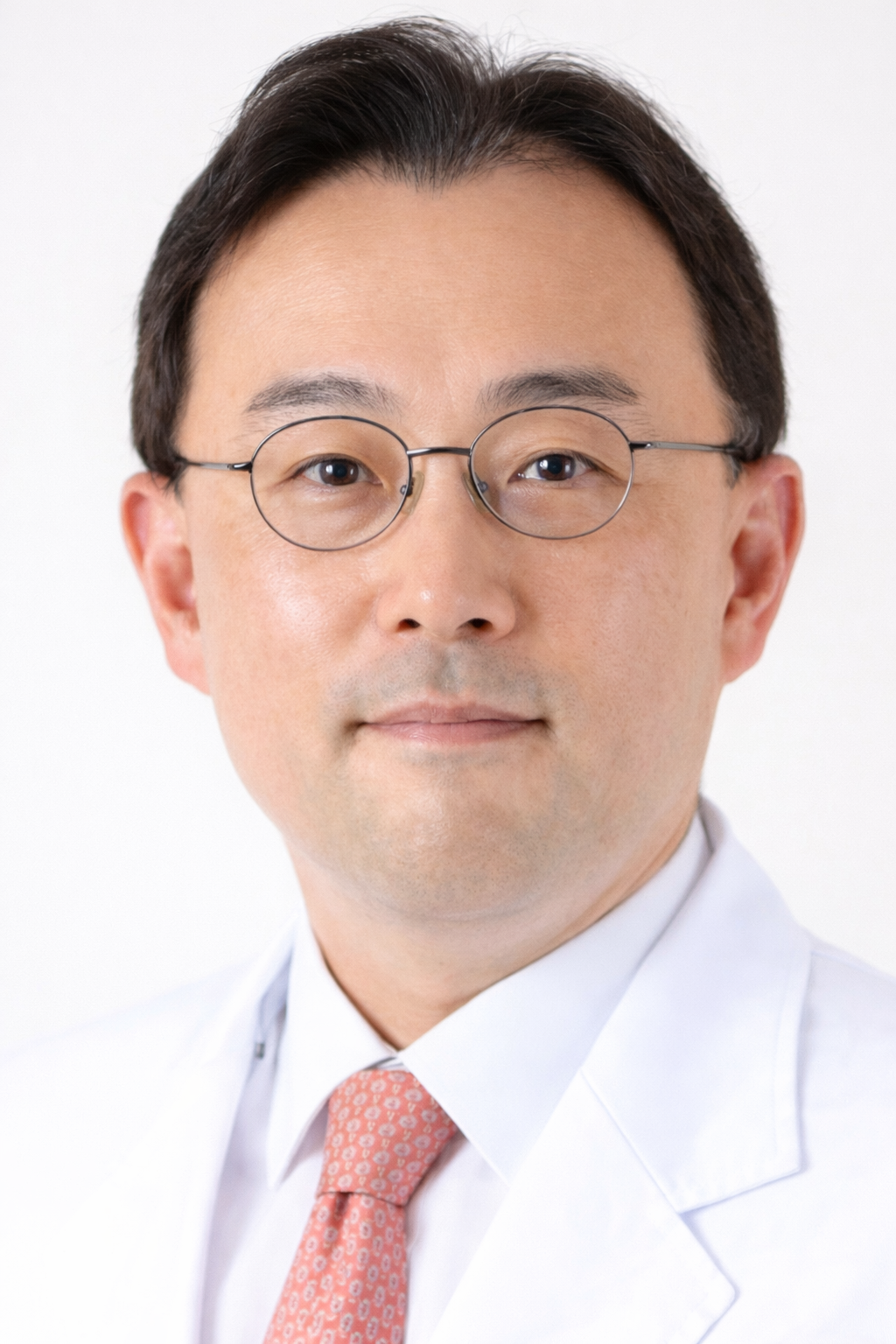
Prof. Dr. Park Si Young, is a leading spine surgeon in South Korea with over 30 years of experience in the field of orthopedic and spinal surgery. Practicing at Korea University Anam Hospital in Seoul, he is widely recognized for his expertise in minimally invasive spinal procedures and his commitment to patient-centered care. As one of the top spine surgeons in Korea, Dr. Park combines clinical excellence with academic distinction, having earned his medical, master’s, and doctoral degrees from Yonsei University. His international training at the University of Berlin and RUSH University Medical Center further enhances his global perspective and surgical approach. Professor Park is also known for offering convenient online consultations for both domestic and international patients, ensuring accessibility to expert care.
Price upon request
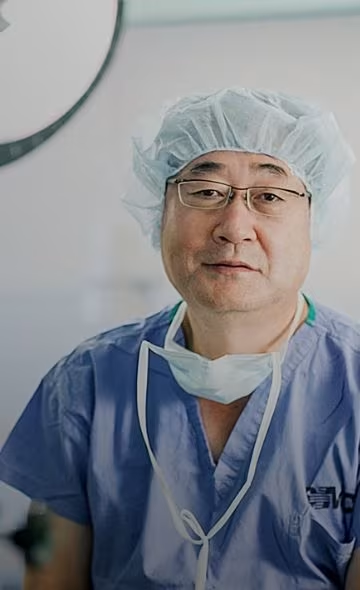
Prof. Dr. Chong-Suh Lee is a renowned spine surgeon and orthopedic specialist based at Samsung Medical Center in Seoul. With over 35 years of experience, he is recognized as one of the top spine surgeons in South Korea. His clinical expertise includes spinal deformities, spinal tumors, and motion preservation technology, making him a leading authority in complex spinal procedures. Dr. Chong-Suh Lee has held multiple leadership roles, including Director of the Spine Center and Chairman of the Department of Orthopedic Surgery at Samsung Medical Center. He is fluent in both Korean and English, and his commitment to surgical excellence and academic research has earned him numerous prestigious awards.
Price upon request
Prof. Dr. Kim Yong Chan is a highly recognized and leading spine surgeon in South Korea with over 24 years of experience in spinal surgery and academic excellence. Currently serving at Kyung Hee University Hospital at Gangdong, Dr. Kim has gained widespread recognition for his precise surgical techniques and commitment to treating complex spinal disorders. His career is marked by a strong academic foundation, including a Ph.D. from Ajou University and postgraduate specialization in spinal diseases from Kyung Hee University. Dr. Kim has also expanded his expertise internationally through his role as a professor at Columbia Medical University in the USA. Known for his innovative approaches, he continues to shape the future of spinal care in Korea and beyond through both clinical practice and academic contributions.
Price upon request
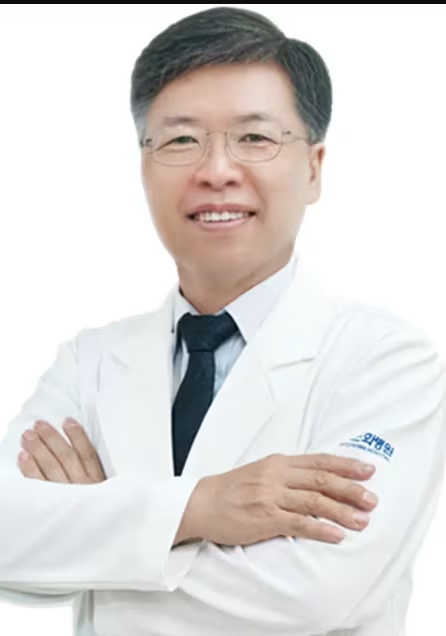
Dr. Son Sang-Gyu is a top spine surgeon in South Korea with over two decades of experience in minimally invasive and endoscopic spinal surgery. As a pioneer in Unilateral Biportal Endoscopy (UBE), Dr. Son has revolutionized spinal care with his innovative techniques and dedication to advancing the field. Currently serving at Good Moonhwa Hospital, he also holds prestigious academic and leadership positions including Chairman of ISUBE and Honorary President of several global endoscopic spine surgery societies. Dr. Son’s global influence, leadership in training, and landmark publications make him one of the best and most famous spinal surgeons in Korea and across Asia.
Price upon request
Major global health agencies report that minimally invasive spinal procedures are becoming increasingly effective for treating herniated discs and chronic back pain while reducing hospital stay and recovery time. This shift reflects a growing emphasis on patient safety and better long-term spinal health outcomes.
South Korea has earned a strong reputation for spine care, combining advanced technology, rigorous standards, and highly skilled specialists. With internationally accredited hospitals and experienced spine surgeons, South Korea offers reliable care for nucleoplasty patients. The use of modern surgical methods and careful patient evaluation helps ensure that the procedure is done safely and effectively.
Spine care in South Korea is led by some of the most experienced and respected surgeons in Asia. Here are two of the top spine specialists who are well-positioned to perform nucleoplasty and related spinal procedures.
Prof. Dr. Kim Yong Chan is one of the most recognized spinal surgeons in South Korea, with over 20 years of experience. He has treated many spine disorders, including herniated discs and degenerative spine conditions, at major hospitals. His background includes academic work on spinal diseases and a history of international training. Patients often highlight his precise planning and measured surgical approach, which helps in achieving functional recovery and pain relief.
Dr. Son Sang Gyu is another highly regarded spinal surgeon with more than two decades of experience. He is the chief of a prominent Spine Center and is known for minimally invasive and microsurgical spine procedures. His patients report positive outcomes, especially after disc-related surgeries. His method emphasizes detailed patient evaluation and personalized treatment plans, which support safe nucleoplasty and a smoother recovery.
If you are considering nucleoplasty in South Korea, a medical tourism facilitator can help coordinate all the logistics to make the process smoother. Services typically include:
➤ Virtual consultation with qualified spinal surgeons to review your case before traveling
➤ Transparent cost estimates including surgeon fees, hospital stay, diagnostics, and procedure costs
➤ Access to internationally accredited hospitals with experienced spine teams
➤ Travel coordination, including visa support, accommodation, and airport transfers
➤ Second-opinion reviews, if needed, to confirm the best treatment plan
➤ Financing assistance or payment plans when available
If you would like help finding and booking a trusted nucleoplasty specialist in South Korea, request a consultation, and a coordinator will connect you with vetted doctors, review your medical history, and assist with scheduling your visit.
Q: What conditions might make me a good candidate for nucleoplasty
A: Nucleoplasty is often considered for herniated or bulging discs, chronic back pain, or disc-related nerve compression.
Q: How soon can I expect back to normal activity after nucleoplasty
A: Most patients find gradual relief and can resume light activity within a few weeks, depending on their overall health and the surgeon’s post-operative plan.


