









Bestclinicabroad
Connect with the world's Best Clinic and doctors at Best Clinic Abroad. Your well-being is our priority, with personalized care every step of the way.


Connect with the world's Best Clinic and doctors at Best Clinic Abroad. Your well-being is our priority, with personalized care every step of the way.


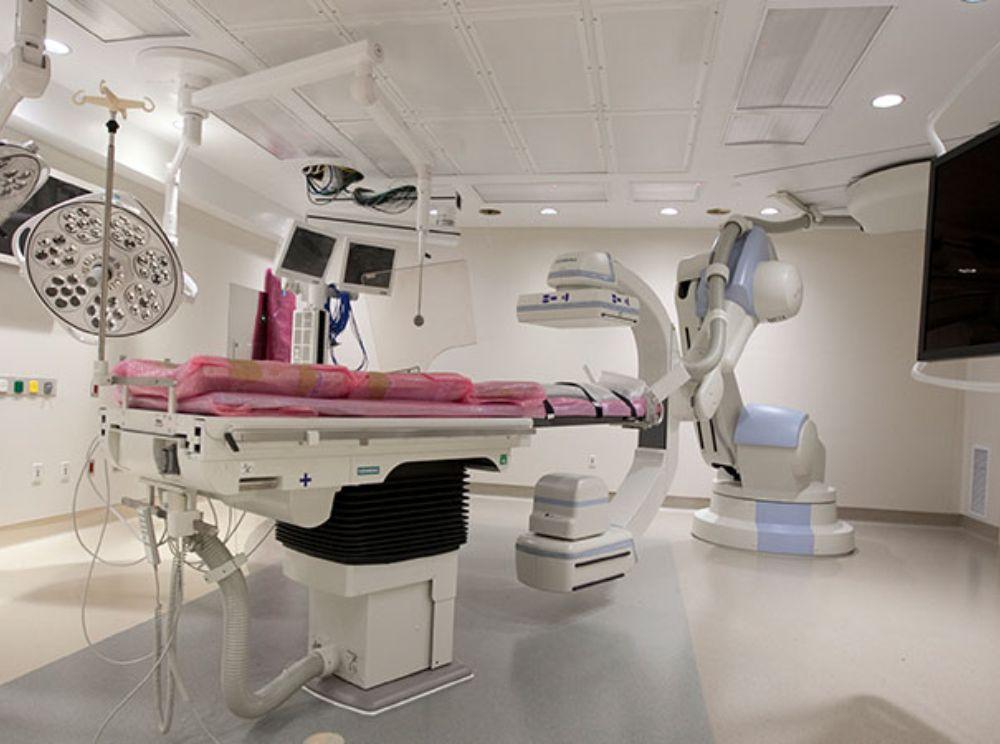
 Via Corriera, 1, 48033 Cotignola RA, Ravenna, Italy;
Maria Cecilia Hospital, part of the GVM Care & Research Group, is a leading cardiology hospital in Italy specializing in advanced diagnostics, interventional procedures, and surgical treatments. Established in the 1970s, Maria Cecilia Hospital has gained recognition in cardiac surgery in Italy, electrophysiology treatment, neurosurgery in Italy, and diabetic foot treatment in Italy. Maria Cecilia Hospital is known for its highly specialized medical services, innovative procedures, and collaborative approach to healthcare.
Key Features of Maria Cecilia Hospital
With its highly specialized treatments and comprehensive medical services, Maria Cecilia Hospital Italy is a preferred destination for international patients seeking quality healthcare in Italy. Maria Cecilia Hospital's collaborative medical approach, dedicated research efforts, and advanced procedures make it one of the best hospitals in Italy for cardiology, neurosurgery, and diabetic foot treatment.


 Via di Roncrio, 25, 40136, Bologna, Italy
Clinica Privata Villalba, located in the peaceful hills of Bologna, Italy, has been providing excellent healthcare services since 1966. As part of the respected GVM Healthcare network in Italy since 2000, the Clinica Privata Villalba has undergone significant reorganization and reconstruction to enhance the quality of patient care. In 2006, the Clinica Privata Villalba expanded, doubling its capacity to 71 beds and offering a comfortable, hotel-like environment for patients seeking private healthcare in Bologna.
Key Highlights of Clinica Privata Villalba
Clinica Privata Villalba remains one of the leading private hospitals in Bologna, Italy, offering expert medical care in a peaceful environment. Whether patients seek trusted neurology treatments in Bologna or specialized surgical procedures, the Clinica Privata Villalba ensures a high standard of healthcare supported by modern technology and experienced professionals.
 Via Camillo Rosalba, 35/37, 70124, Bari, Italy
Anthea Hospital, located in Bari, Italy, has been an integral part of GVM Care & Research since 2001. It stands as a prominent healthcare institution in the Puglia region and is recognized nationally and internationally for its excellence in treating heart diseases. The hospital's cardiac surgery specialists have been invited to prestigious conferences, such as "Eurovalve," to present innovative techniques in mitral valve repair.
Advanced Technology & Facilities
Key Services at Anthea Hospital
Anthea Hospital exemplifies medical excellence by combining research-driven healthcare, innovative treatments, and compassionate patient care, making it a top destination for specialized medical services in Italy and beyond.





Italy has a nationally regulated healthcare system in which neurology and neurosurgery services are delivered under comprehensive legal, professional, and ethical standards. These services are overseen by the Italian Ministry of Health and aligned with European Union healthcare regulations, ensuring consistent clinical governance, patient safety frameworks, and institutional accountability across public and private hospitals. In recent years, neurology and neurosurgery in Italy have continued to advance through the adoption of high-resolution neuroimaging, intraoperative navigation systems, minimally invasive and endoscopic neurosurgical techniques, and multidisciplinary care models that reflect current international practice.
Neurologists and neurosurgeons in Italy follow clearly defined education, certification, and licensing pathways. After completing a full medical degree, physicians undergo specialist residency training in neurology or neurosurgery within accredited teaching hospitals. Neurosurgical training typically involves extended residency periods with progressive responsibility in operative care, while neurology training emphasizes diagnostic evaluation, neurophysiology, and medical management of neurological disorders. National examinations and professional registration are required before independent practice, and ongoing Continuing Medical Education is mandatory to maintain licensure. Many specialists are also involved in academic teaching, clinical research, or international professional societies.
Hospitals offering neurology and neurosurgery services are generally tertiary-care institutions equipped with advanced operating theaters, neuro–intensive care units, digital imaging departments, and comprehensive rehabilitation services. Many are affiliated with universities or research institutes, supporting postgraduate training and evidence-based clinical practice. In practice, patients exploring neurological or neurosurgical care in Italy typically begin by reviewing hospital accreditation, specialist qualifications, and national regulatory oversight. Hospitals commonly request prior medical documentation, such as MRI or CT scans, neurophysiology reports, laboratory results, and referral summaries to support an initial professional review. Communication is often coordinated through international patient departments that handle scheduling, documentation, and general inquiries, while all diagnostic and treatment decisions remain with licensed specialists.
For international patients, practical considerations are an important part of planning care. Visa or entry authorization may be required depending on nationality and expected length of stay. Many neurosurgical procedures involve postoperative monitoring and rehabilitation, with hospital stays and recovery periods that can extend from one to several weeks. Language differences may arise, although major centers frequently provide English-speaking staff or professional medical interpreters. Follow-up care planning after returning home is commonly discussed in advance, with hospitals providing detailed discharge summaries and imaging reports to support continuity of care. Across these processes, neurology and neurosurgery services in Italy emphasize national regulation, patient safety systems, informed consent, and structured clinical governance consistent with international principles recognized by organizations such as the World Health Organization.
Neurology and neurosurgery care in Italy reflects contemporary international standards through the integration of advanced diagnostic and therapeutic technologies. Many centers utilize digital diagnostics, high-field MRI, CT angiography, functional imaging, and neurophysiological monitoring to support accurate diagnosis and treatment planning. In neurosurgery, image-guided navigation systems, minimally invasive approaches, and precision microsurgical techniques are increasingly incorporated into routine practice where clinically appropriate.
Clinical activity is governed by strict protocols addressing infection control, diagnostic accuracy, imaging and radiology safety, anesthesia management, and perioperative monitoring. Neurosurgical procedures are performed within regulated operating environments with multidisciplinary oversight, while neurological care pathways emphasize careful diagnostic evaluation and structured follow-up. Post-treatment monitoring and rehabilitation planning are integral components of care delivery, particularly for complex neurological conditions.
Specialists in neurology and neurosurgery are required to participate in continuous professional development through accredited Continuing Medical Education programs, international conferences, and clinical research initiatives. Treatment plans are individualized based on professional evaluation, diagnostic findings, and patient-specific considerations. Informed consent is mandatory, and final clinical decisions are made exclusively by licensed physicians within accredited institutions. At a national level, Italy is recognized for maintaining a regulated and accountable neurological care environment that integrates technological innovation with patient safety oversight.
Brain tumor surgery aims to remove or biopsy abnormal intracranial lesions while preserving neurological function. In Italy, procedures are planned using advanced imaging such as MRI and CT, often combined with intraoperative navigation and neuro-monitoring systems. Surgical care is delivered under strict anesthesia, infection-control, and intensive monitoring protocols within specialized neurosurgical units.
Spinal surgery addresses conditions affecting the cervical, thoracic, or lumbar spine, including degenerative, traumatic, or compressive disorders. Italian centers commonly use minimally invasive or microsurgical techniques supported by imaging and neurophysiological monitoring. Clinical oversight emphasizes spinal stability, neural protection, and postoperative functional support.
Epilepsy surgery is considered in selected cases of drug-resistant epilepsy aftea r comprehensive diagnostic evaluation. In Italy, planning typically involves prolonged EEG monitoring, advanced neuroimaging, and multidisciplinary review. Procedures are performed in specialized centers with defined safety protocols and long-term neurological follow-up structures.
Cerebrovascular surgery addresses conditions such as aneurysms or vascular malformations. Italian hospitals employ microsurgical and endovascular techniques guided by high-resolution imaging and angiography. Treatment planning and execution are subject to strict clinical governance and multidisciplinary oversight to ensure procedural safety.
Deep brain stimulation involves the implantation of electrodes to modulate specific neural circuits in certain movement disorders. In Italy, this procedure is performed in specialized centers using image-guided planning, neurophysiological testing, and controlled operative environments. Postoperative programming and monitoring are conducted under a neurologist's supervision.
Neurorehabilitation supports recovery and functional adaptation following neurological illness or surgery. Italian hospitals integrate rehabilitation specialists into care pathways, using structured assessment tools and multidisciplinary planning. Services are delivered under regulated clinical frameworks focused on neurological function and patient safety.
San Raffaele Hospital, Milan
Accreditations:
National Ministry of Health oversight
University-affiliated teaching hospital
Specializations:
San Raffaele Hospital provides comprehensive neurology and neurosurgery services within a tertiary-care academic environment, including brain and spine surgery, neuro-oncology, and advanced neurological diagnostics supported by multidisciplinary teams.
Policlinico Gemelli, Rome
Accreditations:
National healthcare system accreditation
University teaching affiliation
Specializations:
This institution offers a broad range of neurological and neurosurgical services integrated into a large academic medical center, with subspecialties in cerebrovascular disease, spine disorders, and complex neurosurgical care.
Humanitas Research Hospital, Milan
Accreditations:
Joint Commission International (JCI)
National regulatory oversight
Specializations:
Humanitas Research Hospital delivers neurology and neurosurgery services within a research-oriented environment, combining clinical care with academic research and structured clinical governance systems.
Careggi University Hospital, Florence
Accreditations:
National healthcare accreditation
University affiliation
Specializations:
Careggi University Hospital provides advanced neurological and neurosurgical care with a focus on academic medicine, specialist training, and multidisciplinary case management.
Ospedale Niguarda, Milan
Accreditations:
Ministry of Health regulation
Teaching hospital status
Specializations:
Ospedale Niguarda offers comprehensive neurology and neurosurgery services as part of a large public healthcare institution, including emergency neurosurgical care and neuro–intensive care support.
IRCCS Istituto Neurologico Carlo Besta, Milan
Accreditations:
National research hospital designation
Ministry of Health oversight
Specializations:
This specialized neurological institute focuses on complex neurological disorders and neurosurgery within a research-driven environment, emphasizing clinical trials, advanced diagnostics, and multidisciplinary care.
| Procedure | Estimated Cost |
| Brain Tumor Surgery | $20,000–$40,000 |
| Spinal Surgery | $12,000–$25,000 |
| Epilepsy Surgery | $18,000–$35,000 |
| Cerebrovascular Surgery | $22,000–$45,000 |
| Deep Brain Stimulation | $30,000–$55,000 |
| Neurorehabilitation Program | $3,000–$8,000 |
Note: The prices listed above are approximate, non-binding estimates provided for general informational purposes only. Actual treatment costs may vary based on individual clinical requirements, diagnostic findings, treatment complexity, materials or technology used, physician expertise, facility type, and duration of care. Final pricing is determined only after a professional evaluation by a licensed specialist or accredited medical institution.
Italy’s neurology and neurosurgery services are grounded in national healthcare regulation, institutional accountability, and adherence to evidence-based medicine. Hospitals operate under defined legal and professional standards that emphasize patient safety, infection control, informed consent, and transparent clinical documentation. National oversight supports consistency in neurological care delivery across regions.
Specialist training standards ensure that neurologists and neurosurgeons meet uniform educational and licensing requirements. The integration of modern neuroimaging, precision surgical technologies, and multidisciplinary care models supports accurate diagnosis and structured treatment planning. Ethical medical tourism principles are reinforced through clear institutional roles, regulated clinical pathways, and respect for patient autonomy.
Government oversight and European Union regulations provide safeguards for international patients, including standards for professional conduct and clinical quality. Restrictions and practical considerations may apply, such as eligibility criteria for certain advanced procedures, extended postoperative monitoring, or rehabilitation requirements. Understanding these factors helps patients plan neurological care abroad in an informed and structured manner.
Best Clinic Abroad is a medical travel facilitator that helps patients navigate international healthcare systems without providing medical care. It does not diagnose conditions, recommend treatments, or influence clinical decisions, which are made exclusively by licensed neurologists, neurosurgeons, and accredited hospitals. Its role is limited to non-clinical coordination and clarification.
➤ Hospital coordination – Support communication and coordination with accredited hospitals
➤ Appointment support – Assist with scheduling and organizing consultations
➤ Communication assistance – Help patients understand next steps without replacing medical advice
➤ Logistical guidance – Offer non-clinical support related to travel planning
Patients who wish to better understand administrative processes and coordination pathways may choose to engage with Best Clinic Abroad while exploring their options.
How do international patients manage visa requirements for neurology or neurosurgery treatment in Italy?
If you are traveling to Italy for neurological or neurosurgical care, visa requirements depend on your nationality and anticipated length of stay. Hospitals or facilitators may provide appointment documentation to support visa applications, but final approval is determined by consular authorities.
Will English language support be available during treatment in Italy?
Many major neurology and neurosurgery centers provide English-speaking medical staff or access to professional medical interpreters. This support is commonly coordinated through international patient departments.
Is online consultation available before traveling, and how is it arranged?
Online consultations are commonly coordinated through Best Clinic Abroad as a medical facilitator. This typically involves sharing existing medical records with a hospital for preliminary review before any in-person evaluation.
How is follow-up care usually managed after returning home?
Hospitals generally provide detailed clinical reports and imaging summaries to support follow-up with your local neurologist or neurosurgeon. Ongoing care decisions are managed by licensed specialists in your home country.
Disclaimer: This content is provided for informational purposes only and does not constitute medical advice. It reflects non-clinical observation of healthcare coordination processes and institutional practices in Italy and does not represent direct medical practice. Diagnosis and treatment decisions should always be made in consultation with a licensed medical specialist based on individual clinical evaluation.
Last updated: February 2026

 Dr. Giulia Berzero
 Neurology & Neurosurgery
.avif&w=3840&q=75)


