








Bestclinicabroad
Connect with the world's Best Clinic and doctors at Best Clinic Abroad. Your well-being is our priority, with personalized care every step of the way.


Connect with the world's Best Clinic and doctors at Best Clinic Abroad. Your well-being is our priority, with personalized care every step of the way.



 South Korea, Incheon, 27 Inhang-ro, Sinheung-dong, Jung-gu, Incheon, South Korea
Inha University Hospital is a renowned university hospital in Incheon, South Korea, known for its multidisciplinary healthcare services and patient-centered approach. Established in 1996 as the first university hospital in the region, Inha University Hospital has been instrumental in improving medical care for both local and international patients. Founded by Dr. Cho Joong-Hoon, the visionary behind the Hanjin Group, the hospital was created with a mission to give back to society and enhance community well-being.
Recognized for its international medical standards, Inha University Hospital holds dual accreditation from the Joint Commission International (JCI) and approval from the Korean government. With a focus on advanced medical care, Inha University Hospital operates specialized centers for various conditions, providing comprehensive treatment and emergency services.
Key Highlights of Inha University Hospital
Inha University Hospital remains a top choice for international patients seeking advanced medical care in South Korea. Its commitment to patient safety, specialized treatments, and emergency medical services makes it a trusted healthcare institution. With a strong focus on quality, efficiency, and compassionate care, Inha University Hospital ensures a positive medical experience for every patient.


 South Korea, Seoul, 892 Dongnam-ro, Sangil-dong, Gangdong-gu
Established in 1971, Kyung Hee University Hospital is one of South Korea's premier medical centers, renowned for its aim of fostering a disease-free environment. The hospital uniquely combines Eastern and Western medical approaches, making it the only center globally to integrate these methods with dental care. With its advanced infrastructure, Kyung Hee University Hospital handles over a million patients annually, including more than 1,000 international visitors.
Advanced Technology & Facilities
Key Services
Affiliated with the Korean Ministry of Health and the World Health Organization, Kyung Hee University Hospital combines advanced technology, skilled professionals, and outstanding care, solidifying its reputation as a leading global medical center.
 South Korea, Seoul, 81 Irwon-ro, Irwon-dong, Gangnam-gu, Seoul, South Korea Service language
Samsung Medical Center, founded in 1994, is a leading multidisciplinary hospital in Seoul and one of the best hospitals in South Korea, recognized for its commitment to medical advancement and patient-centered care. Guided by the vision of "Happiness through Innovation," Samsung Medical Center has gained international recognition and continues to expand its services. With plans to establish a medical college, the center is dedicated to shaping the future of healthcare.
Handling an average of 210 emergency cases daily, Samsung Medical Center accommodates up to 2,000 patients at a time, supported by a team of over 1,300 doctors and professors among its 7,000 healthcare professionals. Samsung Medical Center Seoul integrates digital solutions with medical expertise, ensuring high-quality treatment. Samsung Medical Center collaborates with over 150 hospitals and 2,520 cooperative treatment clinics, backed by 4,294 partner doctors, strengthening its extensive referral network.
Key Features of Samsung Medical Center
Comprehensive Medical Services
Excellence in Cancer Treatment
Advanced Cardiac and Vascular Care
Global Recognition & Awards
Technological Advancements & Future Vision
Samsung Medical Center Seoul stands as a global hub for medical treatment in South Korea, attracting patients from 167 countries. With its expertise in oncology, cardiology, and multidisciplinary care, Samsung Medical Center continues to set benchmarks in patient care and research. Positive reviews highlight its high standard of medical care, commitment to innovation, and patient-friendly services, making Samsung Medical Center a preferred choice for both local and international patients.
 South Korea, Seoul, Daesagwan-ro, 59, Hannam-dong, Yongsan-gu
Soon Chun Hyang University Hospital is a leading medical facility and the flagship branch of the Soon Chun Hyang University Medical Center Network. Established as the first Korea Medical Corporation, it aims to promote wellness and respect for humanity. The hospital network is renowned globally, treating over 100,000 patients in the last decade and earning the title of one of the best healthcare centers in South Korea and the world.
Advanced Technology & Facilities
Key Services
 South Korea, Seoul, 29, Saemunan-ro, Jongno-gu
Founded in 1968 in Seoul, Kangbuk Samsung Hospital (KBSMC) is among South Korea’s best hospitals, offering advanced medical technology and comprehensive patient care. Kangbuk Samsung Hospital focuses on medical research, public health initiatives, and patient-centered care, ensuring top-quality services for both local and international patients. Over the years, Kangbuk Samsung Hospital's highly skilled specialized medical teams have continuously worked to combat various diseases through innovative healthcare solutions, contributing to a healthier society.
Key Aspects of Kangbuk Samsung Hospital
Comprehensive Medical Services
Excellence in Cancer Treatment
Smart Hospital with Advanced Medical Technology
Commitment to Patient-Centered Care & International Patients
Healthcare Through Social Responsibility
With a strong focus on medical research, innovative healthcare solutions, and patient-centered care, Kangbuk Samsung Hospital remains a top healthcare provider in South Korea. Combining advanced medical technology with a multidisciplinary approach, KBSMC continues to deliver high-quality treatments while ensuring the best possible outcomes for all patients.
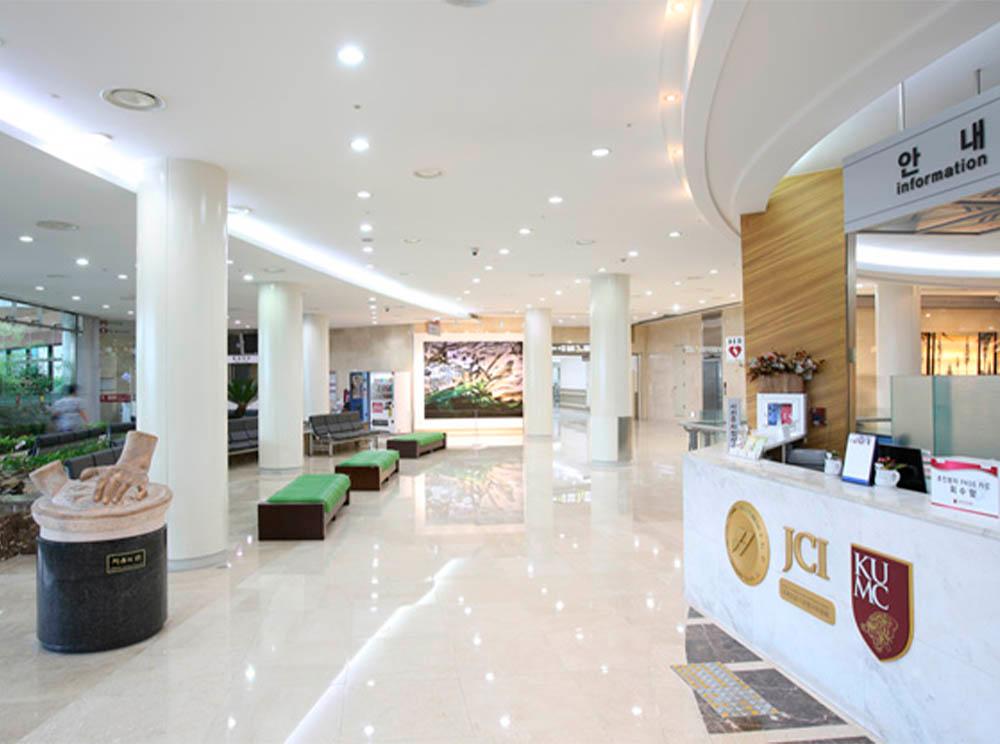 South Korea, Seoul, Seongbuk-gu, Anam-dong, 고려대로 73
Established as a leading multidisciplinary medical center, Korea University Anam Hospital is a prominent healthcare institution in South Korea. Since its expansion with a new building in 2005, the hospital has strengthened its reputation internationally. Known for patient-centered care, the hospital serves both local and international patients with excellence across 42 specialized departments. Korea University Anam Hospital is also recognized for its eco-friendly initiatives and state-of-the-art medical technologies.
Advanced Technology & Facilities
Key Services
With its commitment to excellence and innovation, Korea University Anam Hospital continues to stand out as a premier healthcare provider in South Korea.
 South Korea, 26, Daesingongwon-ro, Seo-gu, Busan
Established in March 1990, Dong-A University Hospital is a renowned multispecialty medical center in Busan, South Korea. The hospital is committed to providing high-quality healthcare services, integrating advanced medical technologies with a team of highly skilled specialists. Dong-A University Hospital accommodates over 1,000 inpatient beds and operates 30 specialized centers along with 36 clinical departments, ensuring comprehensive medical care across various fields.
Dong-A University Hospital is widely recognized for its commitment to innovation and excellence in medical treatment. The hospital actively engages in international medical collaborations and has provided healthcare services at major global events like the Asian Games and the FIFA World Cup. Its team of more than 1,700 medical professionals undergoes advanced training at top institutions worldwide, ensuring the highest standards of patient care.
Dong-A University Hospital is strategically located in Southern Busan, surrounded by numerous cafes, restaurants, and shops. Its convenient access—within an hour’s drive from the city center and Gimhae International Airport—ensures seamless travel for both local and international patients. The hospital’s dedication to medical excellence and patient-centered care continues to solidify its reputation as a leading healthcare provider in South Korea and beyond.






South Korea operates a nationally regulated healthcare system characterized by centralized oversight, mandatory health insurance coverage, and standardized quality controls across public and private medical institutions. The healthcare sector is governed by the Ministry of Health and Welfare, which establishes licensing requirements, safety regulations, and clinical practice standards for hospitals and medical professionals. National policies emphasize equitable access, transparent clinical governance, and continuous monitoring of healthcare quality indicators, including outcomes reporting, patient safety events, and institutional compliance audits.
Specialist physicians in South Korea, including hematology-oncology consultants, undergo a structured and highly regulated training pathway. After completing a six-year medical degree, physicians must pass the national medical licensing examination before entering residency training. Hematology-oncology specialization typically follows internal medicine residency, succeeded by accredited fellowship programs conducted in tertiary-care or university-affiliated hospitals. These programs are subject to periodic evaluation by national professional boards and regulatory authorities, ensuring adherence to evidence-based curricula, ethical standards, and competency-based assessment. Continuous professional development and license renewal are mandatory, reinforcing clinical accountability and professional integrity.
Hospital infrastructure in South Korea reflects significant investment in tertiary and quaternary care capacity, with a strong emphasis on academic medicine and research integration. Many leading hematology-oncology centers are affiliated with major universities and teaching hospitals, supporting translational research, clinical trials, and multidisciplinary care models. Facilities are equipped with advanced diagnostic laboratories, comprehensive imaging departments, specialized inpatient oncology units, and intensive care support. National regulation, institutional clinical governance frameworks, and patient safety systems aligned with international principles advocated by organizations such as the World Health Organization collectively underpin the delivery of regulated, evidence-based hematology-oncology services in the country.
Hematology-oncology services in South Korea incorporate contemporary diagnostic and therapeutic technologies within a nationally regulated clinical environment. Hospitals adopt advanced digital diagnostics, molecular pathology platforms, and high-resolution imaging modalities such as CT, MRI, and PET-CT to support accurate disease characterization and staging. Laboratory services frequently include flow cytometry, cytogenetic analysis, and next-generation sequencing, enabling precise classification of hematologic and oncologic conditions. These technologies are implemented under standardized protocols designed to maintain diagnostic accuracy, data integrity, and patient confidentiality.
Clinical care delivery adheres to internationally recognized patient-safety and quality standards, including infection prevention and control programs, radiation safety measures in imaging and radiology, and anesthesia safety frameworks for invasive procedures. Hospitals maintain structured clinical pathways for chemotherapy administration, cellular therapies, and supportive care, supported by multidisciplinary oversight involving hematologists, medical oncologists, radiologists, pathologists, pharmacists, and specialized nursing staff. Post-treatment monitoring protocols emphasize early detection of adverse events, systematic follow-up scheduling, and comprehensive documentation in electronic medical record systems.
Continuous professional development is an integral component of hematology-oncology practice in South Korea. Specialists participate in ongoing education through accredited Continuing Medical Education (CME) programs, national and international scientific conferences, and collaborative research initiatives. Treatment planning is individualized based on detailed clinical evaluation, diagnostic findings, and established clinical guidelines. Informed consent is a mandatory requirement before any intervention, and final clinical decisions are made exclusively by licensed specialists following professional assessment. At a national level, South Korea is recognized for its structured regulatory environment, commitment to clinical governance, and integration of medical innovation within patient-safety frameworks.
Chemotherapy administration in hematology-oncology involves the systemic or localized delivery of cytotoxic or targeted agents to manage malignant hematologic or solid tumor conditions. Treatment planning relies on histopathological diagnosis, staging investigations, and laboratory assessments. Administration is conducted under strict safety protocols, including dose verification, sterile preparation in controlled pharmacy environments, and monitoring for treatment-related toxicities. Clinical oversight includes standardized pre-treatment evaluation and post-infusion observation.
Targeted therapy focuses on the use of agents designed to interact with specific molecular pathways or genetic alterations identified in cancer cells. Diagnostic planning often incorporates molecular profiling and biomarker testing to inform therapeutic considerations. These treatments are delivered within regulated oncology units, with safety protocols addressing drug interactions, adverse event monitoring, and long-term follow-up. The clinical objective is to address disease mechanisms while maintaining adherence to evidence-based guidelines.
Immunotherapy procedures aim to modulate the patient’s immune system to recognize and respond to malignant cells. Techniques may include monoclonal antibodies or immune checkpoint inhibitors, administered following a comprehensive diagnostic evaluation. Safety oversight includes monitoring for immune-related adverse events, infection risk management, and coordinated multidisciplinary review. Clinical governance frameworks ensure standardized documentation and patient education prior to initiation.
Hematopoietic stem cell transplantation is utilized in selected hematologic conditions to restore bone marrow function or achieve disease control. The procedure involves extensive pre-transplant evaluation, donor matching when applicable, and conditioning regimens. Transplant units operate under enhanced infection-control measures, specialized isolation facilities, and continuous clinical monitoring. The medical objective centers on hematologic recovery and disease management within a highly regulated environment.
Precision radiation therapy employs advanced imaging and planning technologies to deliver controlled radiation doses to malignant tissues while minimizing exposure to surrounding structures. Planning involves three-dimensional imaging, computerized dose calculation, and multidisciplinary review. Safety protocols address radiation protection, equipment calibration, and patient positioning accuracy. Treatment delivery is subject to regulatory oversight and quality assurance audits.
Supportive and palliative oncology care addresses symptom management, treatment-related side effects, and quality-of-life considerations alongside disease-directed therapy. Services include pain management, transfusion support, nutritional assessment, and psychosocial care. Care planning is coordinated through multidisciplinary teams and documented within standardized clinical pathways, emphasizing patient-centered and ethically grounded medical objectives.
Accreditations:
Specializations:
Seoul National University Hospital operates a comprehensive hematology-oncology department within a tertiary-care academic environment. Clinical services encompass hematologic malignancies, solid tumors, stem cell transplantation, and precision oncology, supported by multidisciplinary tumor boards and active clinical research programs.
Accreditations:
Specializations:
Asan Medical Center provides advanced hematology-oncology care through integrated subspecialty units, including medical oncology, radiation oncology, and hematopoietic transplantation. The institution emphasizes research-based practice, advanced diagnostics, and collaborative care models.
Accreditations:
Specializations:
Samsung Medical Center delivers tertiary-level hematology-oncology services with a focus on precision medicine, advanced imaging, and clinical trials. Multidisciplinary teams manage complex oncologic and hematologic conditions within structured governance frameworks.
Accreditations:
Specializations:
Severance Hospital integrates hematology-oncology care within a long-established academic system. Services include comprehensive cancer diagnostics, chemotherapy, immunotherapy, and transplantation, supported by translational research and education programs.
Accreditations:
Specializations:
Korea University Anam Hospital offers hematology-oncology services within a tertiary-care and research-oriented setting. Clinical activities include management of hematologic disorders, oncologic therapies, and participation in institutional research initiatives.
| Procedure | Cost |
| Chemotherapy (Lung Cancer) | $2,500 - $3,500 |
| Chemotherapy (Breast Cancer) | $2,000 - $2,800 |
| Hypothermic Intraperitoneal Chemotherapy (HIPEC) | $17,000 - $19,000 |
| Radiation Therapy (Gamma Knife) | $1,800 - $2,200 |
| Hematopoietic Stem Cell Transplantation | $38,000 - $42,000 |
| CAR-T Cell Therapy | $55,000 - $65,000 |
| Proton Therapy | $28,000 - $32,000 |
| Surgical Oncology (Tumor Resection) | $9,000 - $11,000 |
| Bone Marrow Transplant (Pediatric) | $28,000 - $32,000 |
| Targeted Therapy (Molecular Drugs) | $1,800 - $2,200 |
South Korea’s hematology-oncology sector is characterized by a structured regulatory environment that prioritizes patient safety, clinical accountability, and evidence-based practice. National healthcare regulation establishes uniform standards for licensing, facility accreditation, and clinical service delivery, ensuring consistency across institutions. Hospitals operate under formal governance systems that include quality assurance committees, adverse event reporting mechanisms, and periodic regulatory inspections.
Specialist training standards contribute significantly to the reliability of care delivery. Hematology-oncology physicians are required to complete accredited training programs and engage in continuous professional development. This emphasis on education supports the integration of updated clinical guidelines, evolving diagnostic methodologies, and emerging therapeutic technologies into routine practice. Documentation standards and informed consent processes further reinforce transparency and ethical clinical conduct.
Medical technology adoption in South Korea occurs within controlled and audited frameworks. Advanced diagnostics, digital health records, and precision treatment platforms are implemented alongside robust data protection and patient-safety policies. Ethical medical tourism principles, including respect for patient autonomy, clear communication, and institutional accountability, are embedded within hospital operations. Collectively, these elements reflect a healthcare system aligned with international clinical governance principles and sustained national oversight.
Managing blood disorders or cancer care in another country can feel overwhelming, especially when treatment often involves multiple stages and long-term follow-up. Best Clinic Abroad works only as a medical travel support service, helping patients understand how to access hematology and oncology care in South Korea. The company does not provide medical treatment, give diagnoses, or recommend therapies. All medical decisions are made by licensed hematologists and oncologists.
➤ Hospital coordination – Help patients connect with accredited hospitals and cancer care centers in South Korea
➤ Appointment support – Assist with arranging consultations and evaluations with licensed hematology and oncology specialists
➤ Communication assistance – Help patients understand general hospital processes and information requests without replacing medical advice
➤ Logistical guidance – Provide non-medical support related to travel planning and care coordination
If you would like general information about how hospital coordination typically works or what details medical centers may request, you can choose to contact Best Clinic Abroad for informational support.
Is hematology-oncology treatment regulated in South Korea?
Hematology-oncology services in South Korea are regulated by national health authorities through licensing, accreditation, and clinical governance frameworks designed to ensure patient safety and quality of care.
What qualifications do hematology-oncology specialists hold?
Specialists complete medical school, national licensure, residency training, and accredited fellowship programs, followed by mandatory continuing medical education and professional oversight.
Are hospitals internationally accredited?
Many tertiary hospitals hold international accreditations such as Joint Commission International (JCI), alongside mandatory national regulatory compliance.
Medical Disclaimer:
This content is provided for informational purposes only and does not constitute medical advice. Diagnosis and treatment decisions should be made in consultation with a licensed medical specialist based on individual clinical evaluation.
Last updated: January 2026

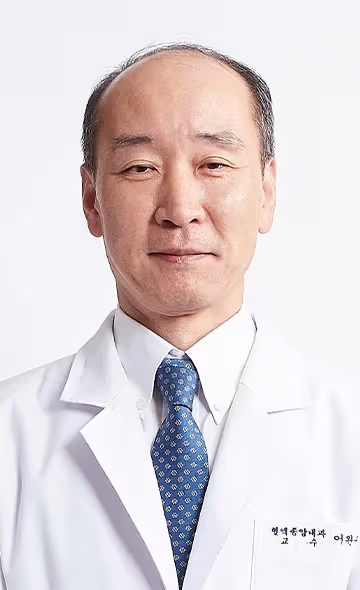
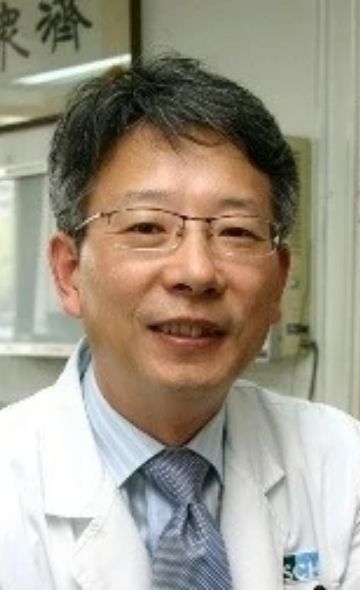
 Dr. Yoon Sung-Soo
 Hematology Oncology
.avif&w=3840&q=75)


