









Bestclinicabroad
Connect with the world's Best Clinic and doctors at Best Clinic Abroad. Your well-being is our priority, with personalized care every step of the way.


Connect with the world's Best Clinic and doctors at Best Clinic Abroad. Your well-being is our priority, with personalized care every step of the way.



 Turkey, Bursa, Fatih Sultan Mehmet Bulvarı, Sümer Sk. No:1, 16110 Nilüfer, Turkey
Established 16 years ago, Acıbadem Bursa Hospital is the first Acıbadem Healthcare facility in Bursa. It offers outstanding medical care with an exceptional team of doctors and surgeons. The hospital is globally recognized for its advanced treatments and technology, attracting thousands of patients annually from Turkey and abroad. Specializing in plastic surgery, cardiovascular care, organ transplant, and cancer treatment, Acıbadem Bursa delivers comprehensive medical services. The facility combines expertise with patient-centric care, guaranteeing high-quality outcomes and comfort for all visitors.
Advanced Technology & Facilities:
Patient-Centric Approach: Acıbadem Bursa Hospital is dedicated to providing world-class care with luxurious accommodations, advanced technology, and a focus on patient comfort and safety.


 Turkey, Istanbul, Ulus Ahmet Adnan Saygun cad, Canan Sk., 34340 Beşiktaş
Founded in 2013, LIV Hospital Ulus has established itself as a leading multi-specialty hospital in Turkey, offering advanced healthcare solutions across various disciplines. The name "LIV" stands for "Leading International Vision," reflecting its commitment to high medical standards and patient-centered care. LIV Hospital Ulus operates under the philosophy of "The Future of Health," ensuring that each patient receives individualized treatment backed by expert medical professionals and innovative methodologies.
Key Highlights of LIV Hospital
With its Centers of Excellence, internationally accredited facilities, and reputation as one of the best hospitals in Turkey, LIV Hospital Istanbul continues to redefine healthcare. LIV Hospital Ulus offers local and international patients a trusted destination for top-quality medical care in Turkey. Patients seeking treatment at LIV Hospital Ulus, LIV Hospital Vadistanbul, or other branches can explore LIV Hospital reviews and treatment costs in Turkey for informed healthcare decisions.
 Turkey, Istanbul, Street 10, Davutpaşa Caddesi No: 434010 Topkapi
Koç University Hospital, established in 2014, is a non-profit research and education hospital located within the prestigious Koç University Health Sciences Campus in Topkapı, Istanbul. Closely associated with Koç University and collaborating with the American Hospital Istanbul and MedAmerican Ambulatory Care Surgery Center, the hospital is a trusted name in Istanbul healthcare. Accredited by Joint Commission International (JCI) and certified by ISO, Koç University Hospital upholds international standards in quality, safety, and patient care, making it one of the leading JCI-accredited hospitals and ISO-certified hospitals in Turkey.
Location and Facilities
Capacity and Infrastructure
Specialized Services and Centers
Global and Local Impact
International Recognition and Standards
 Turkey, Istanbul, Güzelbahçe Sok, No:20, 34365 Nişantaşı
Founded in 1924, the American Hospital Istanbul is one of the most extensively equipped hospitals in the region. Operated as a non-profit organization under the Vehbi Koc Foundation (VKV), the hospital occupies a vast 214,000 m² and encompasses numerous departments and research centers. VKV has invested approximately $300 million to enhance its professional capabilities and infrastructure, solidifying its reputation as a premier medical institution in Turkey.
Advanced Technology & Facilities:
Key Services:
Ranked first in “Turkey’s Top 500 Companies in the Healthcare Sector.”
Won the 18th Golden Spider Awards for best healthcare website.
Patient-Centric Services: The hospital is dedicated to providing international patients with unparalleled services, including advanced diagnostics, innovative treatments, and luxurious accommodations.
 Turkey, Istanbul, Cumhuriyet Mah, 2255. Sk. No: 3, 41400 Gebze/Kocaeli
Anadolu Medical Center Turkey is one of the best hospitals in Turkey, known for its patient-centered approach and wide range of medical services. Established in 2005 by the Anadolu Foundation, Anadolu Medical Center preserves Anatolia’s rich medical heritage while incorporating modern healthcare advancements. Since 2005, Anadolu Medical Center has maintained a strategic collaboration with Johns Hopkins-affiliated hospitals, continuously improving its education and treatment standards. With its strong commitment to patient care, Anadolu Medical Center provides specialized services to both local and international patients, offering expertise in oncology treatment in Turkey, bone marrow transplants, surgical sciences, cardiology, women’s health, and more.
Key Highlights of Anadolu Medical Center
Hospital Infrastructure & Capacity
International Accreditations & Recognitions
Medical Specialties & Technology
Commitment to Medical Tourism & International Patients
Community Education & Nonprofit Mission
At Anadolu Medical Center, patient well-being is the top priority. With a strong commitment to patients' needs and expectations, Anadolu Medical Center ensures a comfortable treatment experience through expert care, advanced technology, and a supportive environment. Whether for oncology treatment, bone marrow transplants, or specialized surgeries, Anadolu Medical Center Turkey continues to serve as a leading healthcare provider for both local and international patients.
 Turkey, Istanbul, Otakçılar Cd. No:78 Flat Ofis Aqua Court E Blok 3. Kat Eyüp
Established in 1993, Medical Park Hospital Group has become Turkey's largest private hospital network, offering a comprehensive range of medical services. The group is committed to providing high-quality healthcare across various specialties, including oncology, cardiology, neurology, orthopedics, and general surgery. With a focus on patient-centered care, Medical Park integrates advanced medical technologies and innovative treatment approaches to ensure optimal outcomes for both national and international patients.
Advanced Technology & Facilities
Key Services at Medical Park Hospital Group
Medical Park Hospital Group is dedicated to medical excellence, combining research-driven healthcare, innovative treatments, and compassionate patient care, making it a premier destination for specialized medical services worldwide.
 Turkey, Istanbul, TEM Avrupa Otoyolu Göztepe Çıkışı No:, D:1, 34214 Bağcılar
Medipol Mega University Hospital is the largest multidisciplinary medical center in Turkey, offering specialized care across Oncology, Cardiovascular Surgery, General Surgery, and Dentistry. Medipol Mega University Hospital also has various medical clinics covering treatments in anesthesiology, algology, gynecology, pediatric surgery, dermatology, psychiatry, and traumatology. As a JCI-accredited hospital in Turkey, Medipol Mega University Hospital is recognized for its high-quality healthcare services, attracting international patients seeking medical treatment in Istanbul.
Key Features of Medipol Mega University Hospital
Medipol Mega University Hospital continues to be a preferred destination for medical tourists seeking the best hospital in Istanbul. With a focus on high-quality healthcare, advanced treatments, and a patient-centric approach, Medipol Mega University Hospital remains a trusted name in global healthcare services.
 Turkey, Istanbul, Antalya, Ankara, Ankara, Antalya Diyarbakır, Istanbul, Kayseri
Memorial Hospital Group operates a network of hospitals and satellite clinics, providing a high standard of medical care to thousands of patients annually. Equipped with cutting-edge technology and modern infrastructure, the hospitals offer comprehensive inpatient and outpatient services.
Memorial Hospitals Group is a leading healthcare provider in Turkey, internationally recognized for its high-quality medical services and patient-focused approach. The group specializes in a wide range of disciplines, including cardiology, oncology, organ transplantation, neurology, orthopedics, and in vitro fertilization (IVF). With a team of highly skilled specialists and state-of-the-art medical facilities, Memorial ensures innovative and effective treatments tailored to each patient's needs. The hospital group attracts both local and international patients, offering multilingual support and personalized healthcare services.
Advanced Technology & Facilities
Key Services at Memorial Hospitals Group
Memorial Hospitals Group is a globally recognized leader in healthcare, combining world-class medical expertise, cutting-edge technology, and patient-centered care. With a strong commitment to innovation and excellence, Memorial is a preferred destination for specialized medical treatments for both national and international patients.
 Turkey, Istanbul, Ayazağa Mahallesi, Kemerburgaz Caddesi, Vadistanbul Park Etabı, 7F Blok, 34396 Sarıyer
LIV Hospital Vadistanbul is a multi-specialty hospital in Istanbul, Turkey, known for providing high-quality and affordable healthcare. Opened on May 24, 2021, it is part of the LIV Hospital Group Turkey, which operates six private hospitals in Turkey, including two in Istanbul. The acronym "LIV" stands for "Leading International Vision," reflecting the organization's dedication to delivering modern medical care in Istanbul with a focus on patient well-being and international safety standards.
Located in a vibrant yet peaceful area surrounded by greenery, LIV Hospital Vadistanbul is a JCI-accredited hospital in Turkey that offers a comfortable and healing environment for patients. LIV Hospital Vadistanbul is recognized for providing advanced medical treatments in Turkey at competitive costs, making it a preferred choice for medical tourists in Turkey. LIV Hospital Vadistanbul collaborates with leading research centers and universities, allowing for a personalized approach to treatment.
Key Features of LIV Hospital Vadistanbul
With a patient-centered approach, advanced medical services, and commitment to global healthcare standards, LIV Hospital Vadistanbul continues to be a trusted destination for international patients seeking advanced healthcare facilities in Turkey.
 Kaptan Paşa, Kaptan Paşa Mah. Piyale Paşa Bulv, Okmeydanı Cd. No: 4, 34384 Şişli/İstanbul, Türkiye
Memorial Şişli Hospital, located in Istanbul, Turkey, stands as a distinguished leader in healthcare in Istanbul, known for its exceptional medical services and international reach. Established in 2000 under the Memorial Medical Group, Memorial Şişli Hospital is the first in Turkey and the 21st globally to achieve JCI-accredited hospital status. Memorial Şişli is widely respected for its commitment to adopting modern medical practices and offering a broad spectrum of specialized services. Serving international patients from 92 countries annually, Memorial Şişli Hospital has become a trusted name for medical tourism in Turkey. Memorial Şişli Hospital provides expert care with advanced medical techniques and highly skilled doctors, ensuring a global standard of healthcare.
Key Features of Memorial Şişli Hospital
With impressive success rates, advanced technologies, and comprehensive care options, Memorial Şişli Hospital is a key destination for medical tourism in Turkey. Memorial Şişli Hospital continues to build on its reputation as a reliable provider of specialized healthcare in Istanbul, ensuring that both local and international patients receive exceptional medical treatment.



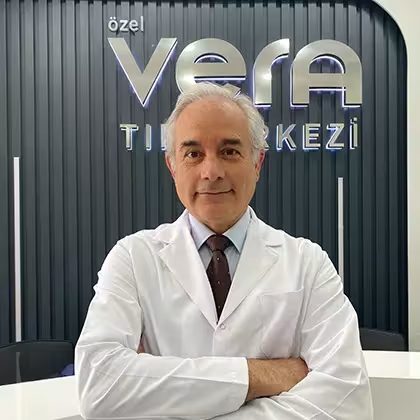



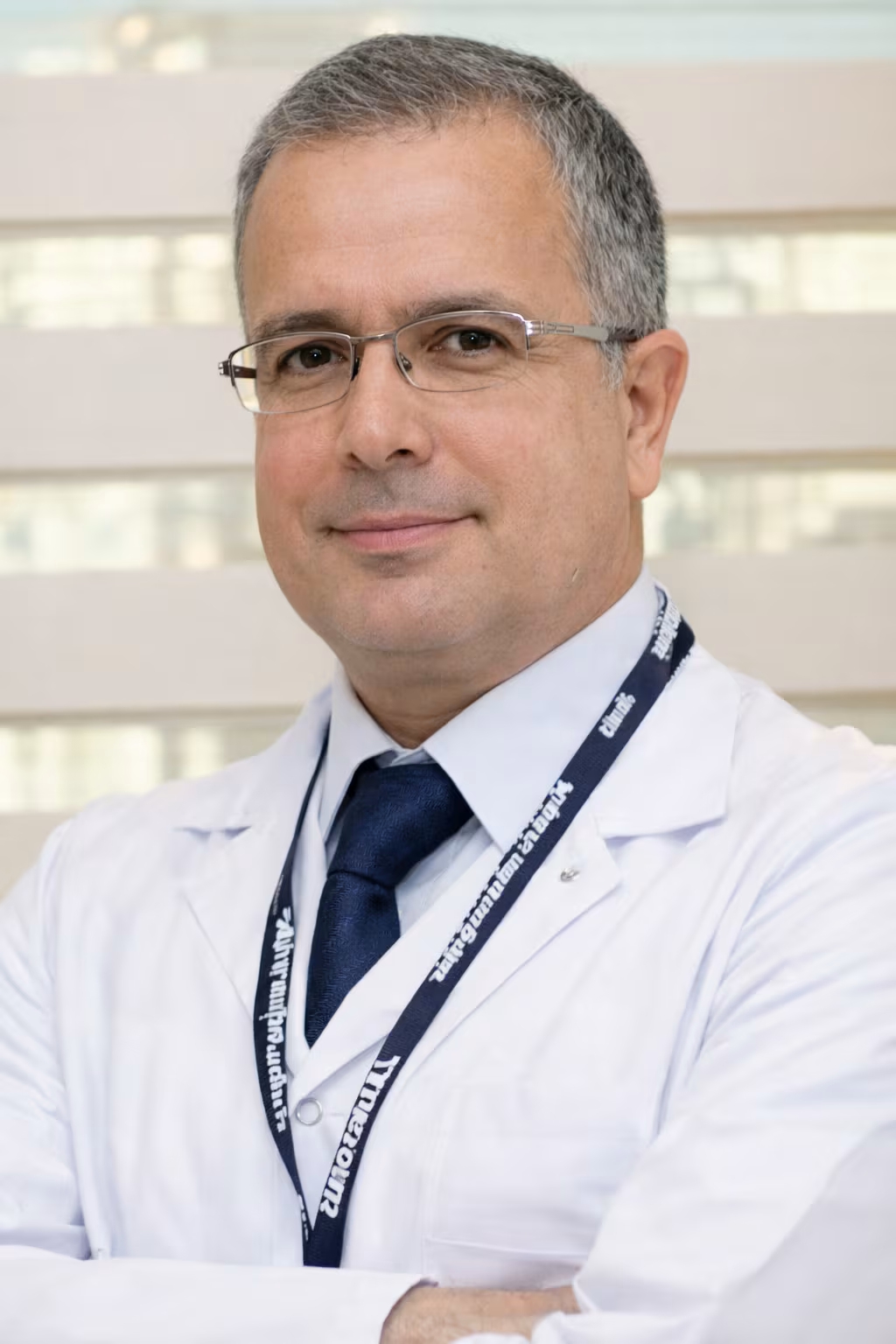



Turkey has become an increasingly visible destination for patients exploring advanced cardiology and cardiovascular surgery care within a structured, regulated healthcare environment. Over the past decade, the country has continued to modernize its tertiary-care hospitals, expand university-affiliated medical centers, and integrate contemporary cardiovascular technologies such as hybrid operating rooms, high-resolution cardiac imaging, and minimally invasive surgical platforms. These developments are supported by ongoing regulatory updates overseen by the national health authorities, reflecting a broader commitment to patient safety, clinical governance, and alignment with international healthcare standards.
The healthcare system in Turkey is centrally regulated by the Ministry of Health of Turkey, which licenses hospitals, oversees physician certification, and enforces national patient safety and quality frameworks. Cardiology and cardiovascular surgery services are typically delivered in tertiary or quaternary care hospitals, many of which maintain academic affiliations with medical universities. These institutions commonly participate in clinical research, structured residency programs, and subspecialty fellowships, reinforcing a culture of evidence-based medicine and continuous professional development.
Specialists practicing in cardiology and cardiovascular surgery complete a defined training pathway that includes medical school, core specialty residency, and further subspecialty training where applicable. Licensing and board recognition are nationally standardized, and ongoing Continuing Medical Education (CME) is expected to maintain clinical competence. In practice, many senior specialists also engage with international conferences and collaborative research networks, reflecting the increasingly global nature of cardiovascular medicine.
From an infrastructure perspective, Turkey’s major cardiovascular centers are equipped with advanced intensive care units, dedicated cardiac catheterization laboratories, and comprehensive diagnostic services. Hospitals offering complex cardiac care commonly integrate cardiology, cardiovascular surgery, anesthesiology, radiology, and rehabilitation services within a single clinical governance structure. This multidisciplinary approach supports coordinated decision-making while maintaining clear lines of accountability and oversight.
For international patients, planning care abroad often begins with a period of information gathering and remote communication. Patients typically explore hospital profiles, physician credentials, and accreditation status before making contact. In practice, hospitals usually request existing medical records such as recent cardiology reports, imaging results, operative summaries, and medication lists for preliminary review. Communication commonly takes place through dedicated international patient departments, which coordinate document review, appointment scheduling, and non-clinical questions related to travel and administration.
Foreign patients considering treatment in Turkey should also be aware of practical considerations. Medical travel generally requires appropriate entry documentation, and visa requirements may vary depending on nationality and length of stay. Following cardiovascular procedures, hospitals often recommend a postoperative stay of one to two weeks to allow for early monitoring before travel. Language differences can arise, although many tertiary hospitals provide English-speaking staff or professional interpreters. Planning for follow-up care after returning home is an important part of the overall process and is typically discussed before treatment to ensure continuity with local healthcare providers.
Cardiology and cardiovascular surgery services in Turkey increasingly reflect contemporary clinical practice standards observed in high-volume international centers. Hospitals have adopted advanced diagnostic technologies such as digital echocardiography, high-resolution cardiac CT, and MRI systems that support precise anatomical and functional assessment. These tools contribute to careful treatment planning and are used within structured diagnostic pathways designed to reduce variability and enhance accuracy.
Clinical care is delivered under established patient safety and quality frameworks that emphasize infection control, imaging and radiology safety, anesthesia protocols, and postoperative monitoring. In practice, cardiovascular units follow standardized checklists, multidisciplinary case discussions, and perioperative risk assessments. Treatment plans are individualized, informed consent is required, and final clinical decisions are made only after professional evaluation by licensed specialists. Patients are typically informed about procedural steps, expected hospital stay, and monitoring plans in clear, non-technical language to support understanding.
Continuous professional development is an integral part of cardiovascular practice in Turkey. Specialists commonly participate in national and international CME activities, professional congresses, and academic collaborations. The integration of minimally invasive techniques, catheter-based interventions, and hybrid surgical approaches reflects ongoing investment in innovation, while maintaining compliance with international patient safety and clinical governance principles. At a country level, Turkey is often noted for its structured regulation and institutional accountability within complex medical specialties.
Coronary artery bypass grafting is a surgical procedure aimed at improving blood flow to the heart muscle in individuals with significant coronary artery disease. In Turkey, CABG is performed in specialized cardiovascular surgery units using conventional open techniques or, in selected settings, minimally invasive approaches. Preoperative planning typically involves coronary angiography and advanced cardiac imaging, while intraoperative safety protocols include standardized anesthesia management and continuous hemodynamic monitoring. The clinical objective is to restore adequate myocardial perfusion under strict surgical and postoperative oversight.
Heart valve repair and replacement procedures address structural or functional abnormalities of the cardiac valves. Hospitals in Turkey utilize echocardiography, cardiac MRI, and CT imaging to assess valve anatomy and function before intervention. Surgical techniques may involve valve repair or implantation of mechanical or biological prostheses, performed under cardiopulmonary bypass with defined infection control and anticoagulation protocols. Clinical governance structures ensure multidisciplinary evaluation and postoperative monitoring in dedicated cardiac units.
Transcatheter aortic valve implantation is a minimally invasive procedure designed for patients with aortic valve disease who require valve replacement without open-heart surgery. In Turkey, TAVI is performed in catheterization laboratories or hybrid operating rooms equipped with advanced imaging guidance. Careful patient assessment, imaging-based planning, and anesthesia protocols are central to procedural safety. The functional aim is to improve valve performance while minimizing surgical trauma, under comprehensive clinical supervision.
Electrophysiology studies and catheter ablation procedures are used to evaluate and manage cardiac rhythm disorders. Turkish cardiology centers employ three-dimensional mapping systems and digital diagnostics to localize arrhythmogenic pathways. Procedures are conducted with continuous cardiac monitoring and radiation safety measures. The medical objective is to restore or regulate normal heart rhythm through targeted intervention within a controlled clinical environment.
Aortic aneurysm repair involves surgical or endovascular techniques to manage dilatation of the aorta. In Turkey, these procedures are planned using detailed CT angiography and are performed in tertiary-care centers with vascular and cardiovascular surgery collaboration. Safety protocols focus on imaging accuracy, blood management, and postoperative intensive care monitoring. The functional goal is to stabilize the affected vessel segment and reduce associated cardiovascular risks.
Pediatric cardiac surgery addresses congenital and acquired heart conditions in children. Specialized centers in Turkey integrate pediatric cardiology, surgery, anesthesia, and intensive care services. Diagnostic planning relies on echocardiography and advanced imaging adapted for pediatric patients. Procedures are carried out under strict safety and infection control standards, with clinical oversight tailored to developmental and physiological considerations.
Accreditations: Joint Commission International (JCI); regulated by the Ministry of Health; part of a university-affiliated healthcare network.
Specializations: This tertiary-care hospital provides comprehensive cardiology and cardiovascular surgery services, including interventional cardiology, advanced imaging, and complex surgical procedures. Care is delivered within a multidisciplinary framework that supports academic research and subspecialty collaboration.
Accreditations: JCI; Ministry of Health oversight; academic collaboration with international medical institutions.
Specializations: Anadolu Medical Center offers a broad range of cardiovascular services, integrating cardiology, cardiovascular surgery, and rehabilitation. The hospital environment emphasizes evidence-based practice, research participation, and coordinated care pathways.
Accreditations: JCI; Ministry of Health regulation; affiliated with medical education programs.
Specializations: The hospital manages complex cardiac conditions through advanced diagnostic imaging, catheter-based interventions, and surgical services. Multidisciplinary teams support comprehensive evaluation and perioperative care.
Accreditations: JCI; Ministry of Health oversight; university teaching hospital.
Specializations: As an academic medical center, Koç University Hospital combines clinical cardiology, cardiovascular surgery, and research activities. The institution supports subspecialty training and integrates advanced technologies within structured governance systems.
Accreditations: JCI; Ministry of Health regulation.
Specializations: Memorial Şişli Hospital provides tertiary cardiovascular care, including interventional cardiology and surgical services. The hospital emphasizes coordinated multidisciplinary management and adherence to international safety standards.
Accreditations: National accreditation; Ministry of Health oversight; leading academic institution.
Specializations: These hospitals are known for advanced cardiology and cardiovascular surgery within a research-oriented environment. Services are delivered through integrated academic departments with strong emphasis on clinical education and governance.
Accreditations: National accreditation; Ministry of Health regulation; university-affiliated institute.
Specializations: The institute focuses on comprehensive cardiology and cardiovascular surgery, supporting complex case management, academic research, and specialist training within a tertiary-care framework.
| Procedure | Estimated Cost Range (USD) |
| Coronary Artery Bypass Surgery | $10,000-$18,000 |
| Heart Valve Replacement | $12,000-$20,000 |
| Transcatheter Aortic Valve Implantation (TAVI) | $18,000-$28,000 |
| Cardiac Ablation | $4,000-$7,000 |
| Aortic Aneurysm Repair | $15,000-$25,000 |
| Pediatric Cardiac Surgery | $12,000-$22,000 |
Note: The prices listed above are approximate, non-binding estimates provided for general informational purposes only. Actual treatment costs may vary based on individual clinical requirements, diagnostic findings, treatment complexity, materials or technology used, physician expertise, facility type, and duration of care. Final pricing is determined only after a professional evaluation by a licensed specialist or accredited medical institution.
Choosing to receive cardiovascular care abroad can feel complex, particularly when patients and families are navigating unfamiliar healthcare systems. In Turkey, cardiology and cardiovascular surgery services operate within a nationally regulated framework designed to promote patient safety, transparency, and accountability. Hospitals and physicians are licensed and monitored by the Ministry of Health, and many institutions voluntarily adhere to international accreditation standards, including those recognized by organizations such as the World Health Organization and Joint Commission International.
Patient safety systems in Turkish cardiovascular centers emphasize structured clinical governance, infection control policies, and standardized documentation. Medical records, consent forms, and discharge summaries are typically maintained in a clear and organized manner, which supports continuity of care when patients return home. In practice, international patients often ask about how records will be shared with their local physicians, expected timelines for documentation, and postoperative communication channels.
Specialist training standards are nationally defined and reinforced through academic affiliations and CME requirements. Many cardiologists and cardiovascular surgeons practice in university hospitals or teaching institutions, where peer review, case discussions, and research activity are part of routine clinical life. Advanced medical technologies, including digital diagnostics and minimally invasive surgical tools, are integrated into care pathways under defined safety and quality protocols.
Turkey has also established government-supported medical tourism frameworks aimed at protecting international patients. These include regulations on hospital licensing, international patient departments, and ethical marketing practices. Oversight bodies monitor compliance with legal and professional standards, contributing to institutional accountability.
Foreign patients may encounter eligibility or administrative limitations depending on visa status, length of stay, or insurance arrangements. Cardiovascular procedures often require a defined postoperative observation period before travel, which can influence scheduling and accommodation planning. Additionally, while many hospitals offer English-language services, availability may vary, and patients often clarify interpretation support in advance. These factors are typically discussed early in the planning process to support informed decision-making.
Best Clinic Abroad works as a medical travel facilitator, helping patients and families navigate the non-clinical aspects of seeking care overseas. It is not a medical provider, does not offer diagnoses, and does not recommend treatments or influence clinical decisions. Its role is limited to coordination and clarification, supporting patients as they explore accredited healthcare options.
➤ Hospital coordination - Support communication and coordination with accredited hospitals
➤ Appointment support - Assist with scheduling and organizing consultations
➤ Communication assistance - Help patients understand next steps without replacing medical advice
➤ Logistical guidance - Offer non-clinical support related to travel planning
All medical decisions are made exclusively by licensed physicians and accredited hospitals, in line with national regulations governing medical tourism and international patient protection. Patients who wish to better understand administrative steps or documentation requirements may choose to engage with Best Clinic Abroad to receive general guidance on the process.
For many patients, safety is a primary concern when considering treatment abroad. In Turkey, surgical care is regulated by the Ministry of Health, and many hospitals voluntarily follow international accreditation and patient safety frameworks. While no healthcare system can eliminate all risk, structured regulation, licensing, and clinical governance are designed to support safe surgical environments.
Yes, foreign patients can access hospital care in Turkey. In practice, you will usually communicate with an international patient department that helps coordinate administrative steps, review medical records, and clarify documentation or visa-related questions. Access and processes may vary by hospital and individual circumstances.
Many physicians working in tertiary-care and university hospitals speak English, particularly those involved in international patient care. Hospitals often provide professional medical interpreters when needed, and you can typically confirm language support during early communication with the hospital.
Disclaimer: This content is provided for informational purposes only and does not constitute medical advice. It reflects non-clinical observation of healthcare coordination processes and institutional practices in Turkey and does not represent direct medical practice. Diagnosis and treatment decisions should always be made in consultation with a licensed medical specialist based on individual clinical evaluation.
Last updated: January 2026

 Dr. Naser Can
 Cardiology & Cardiovascular Surgery
.avif&w=3840&q=75)


